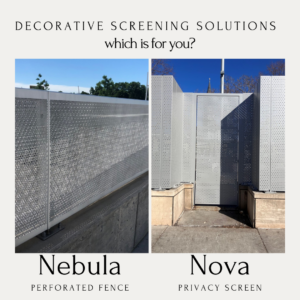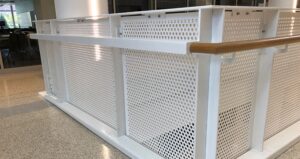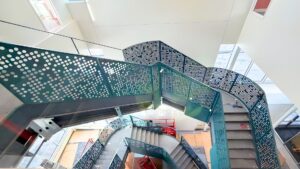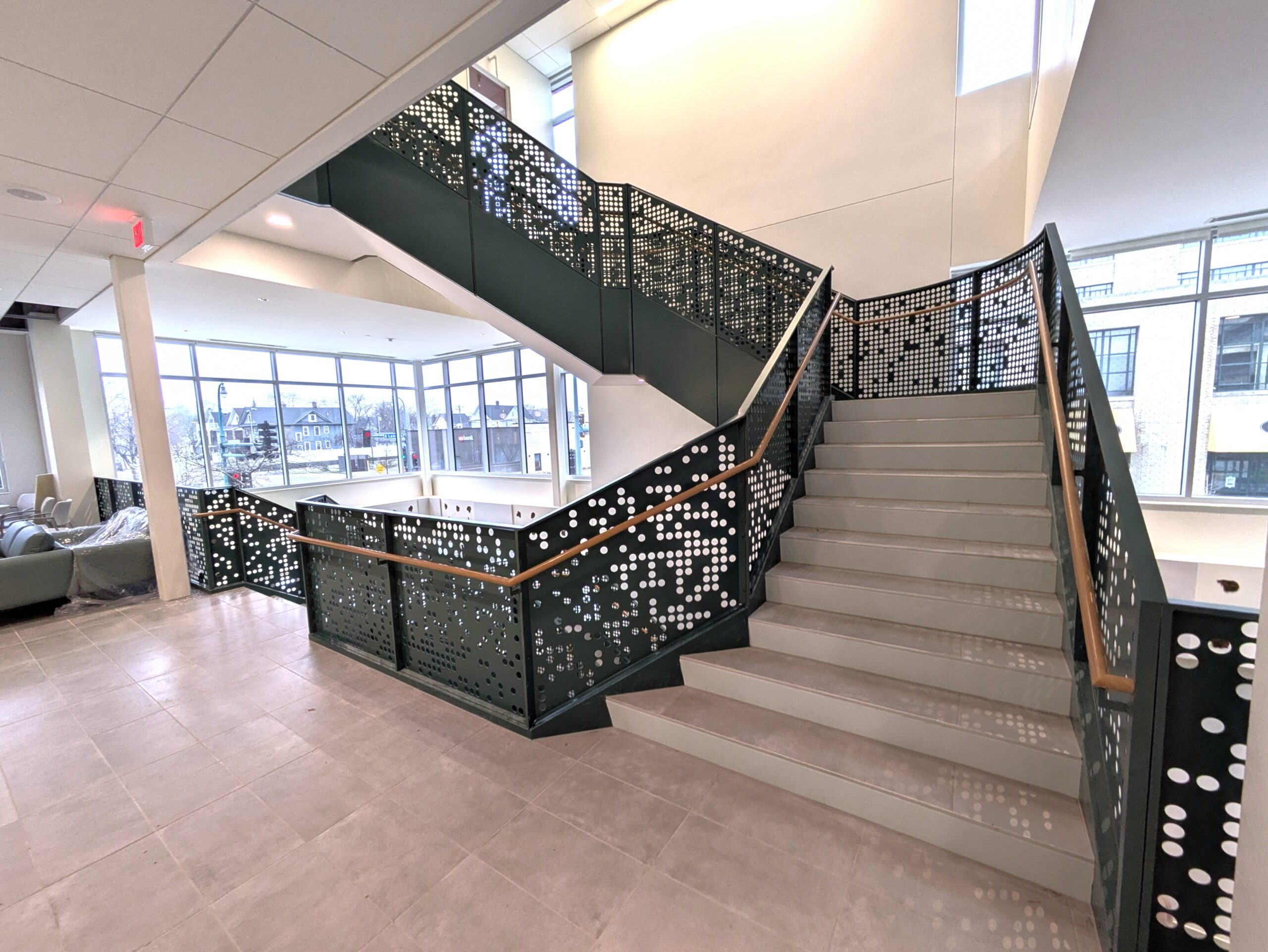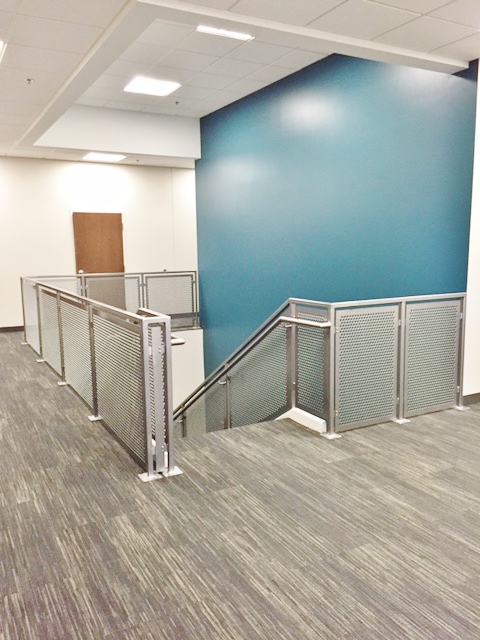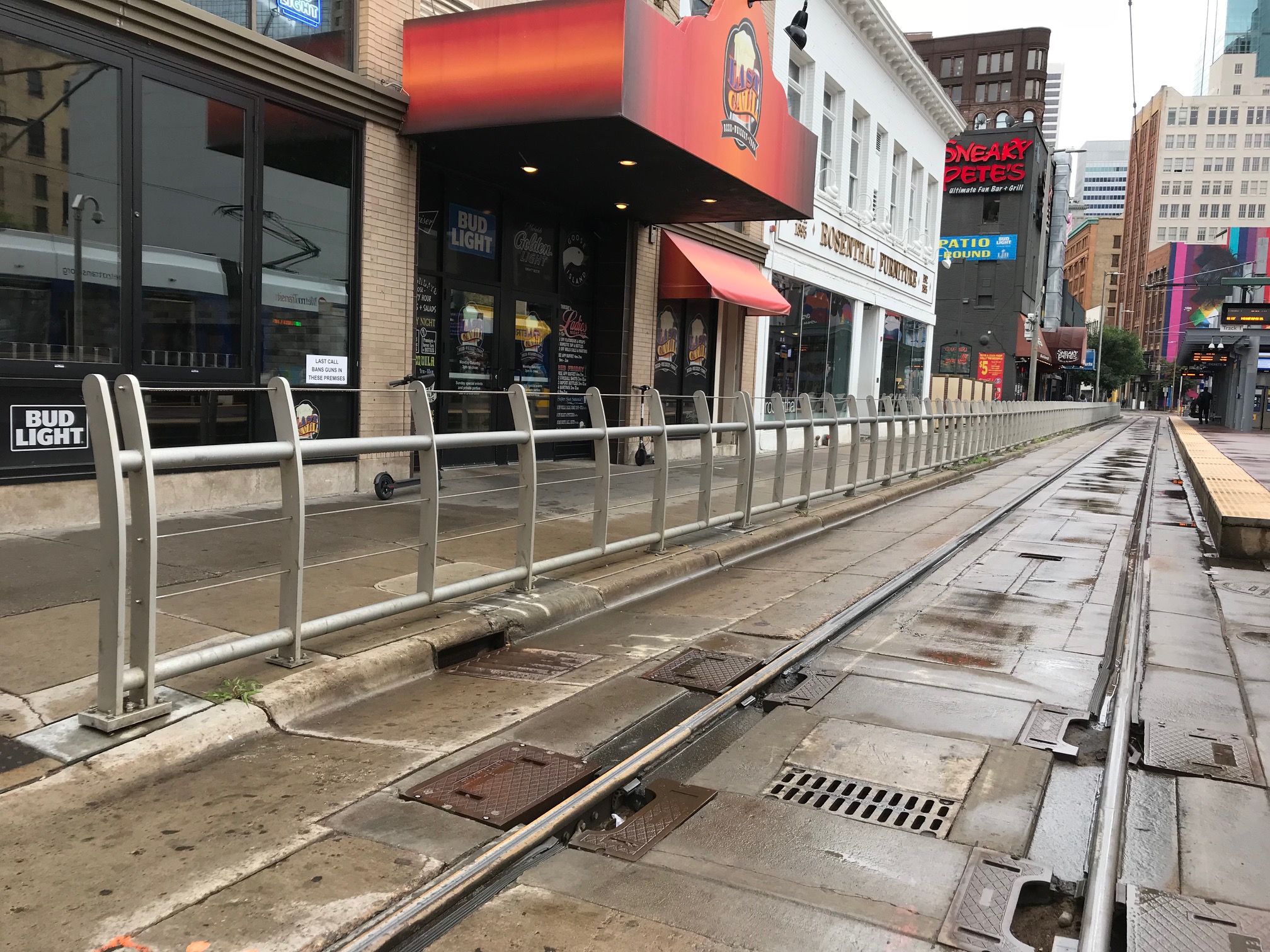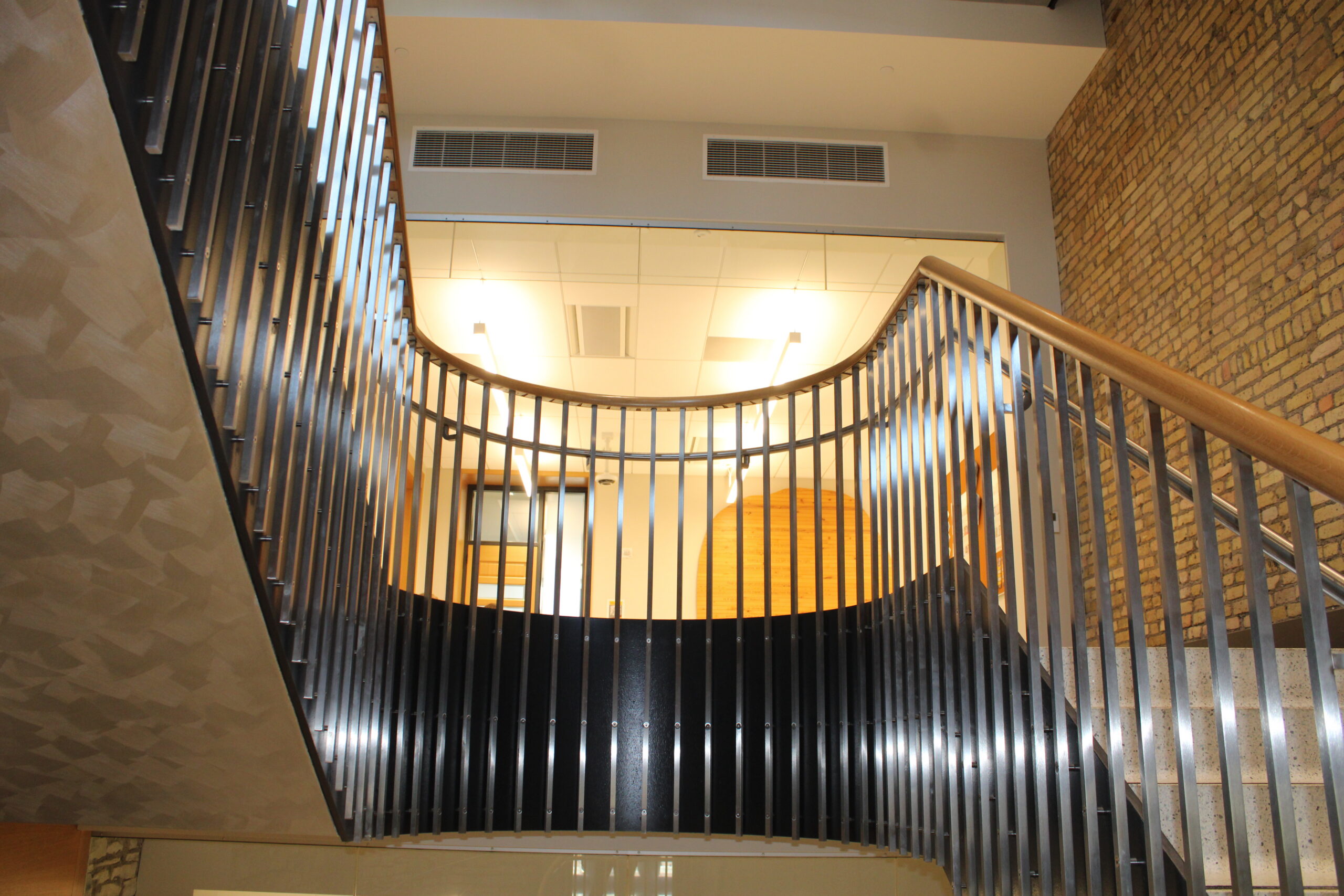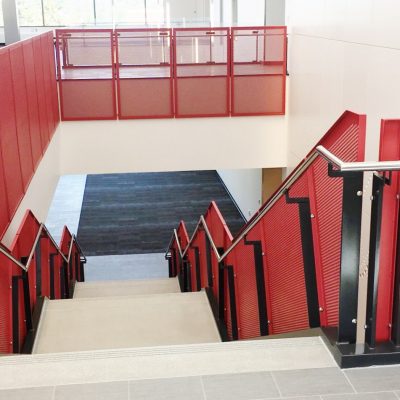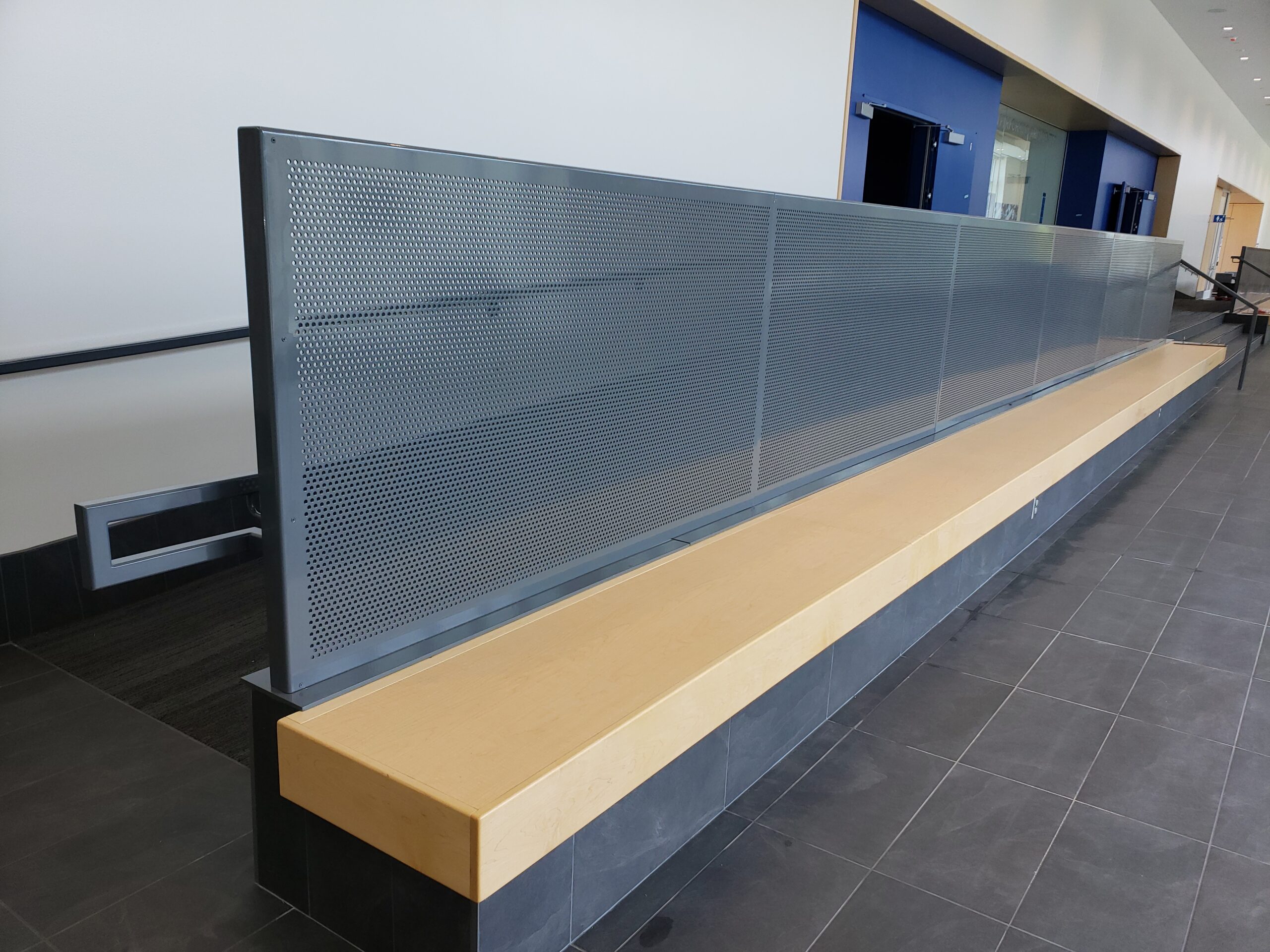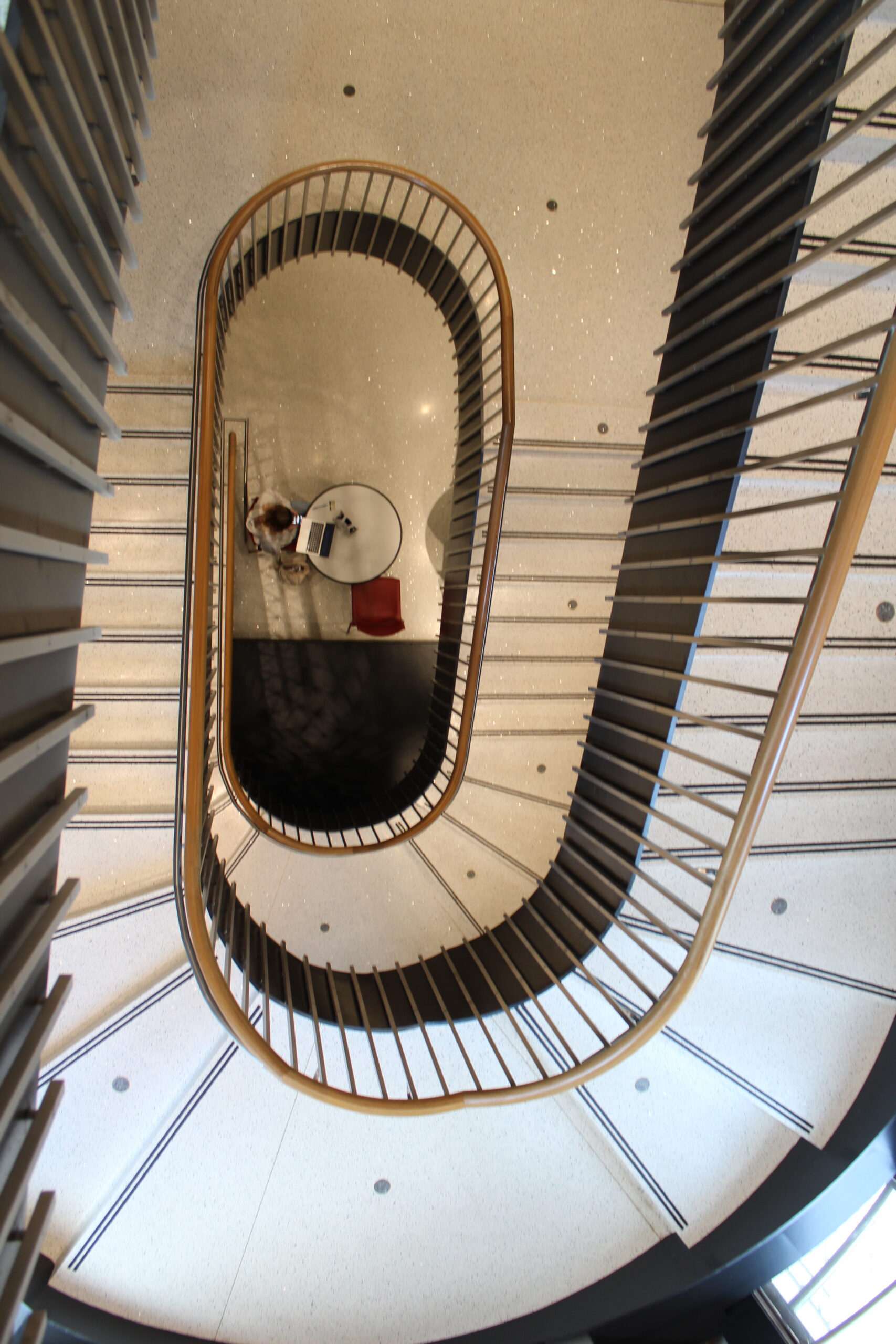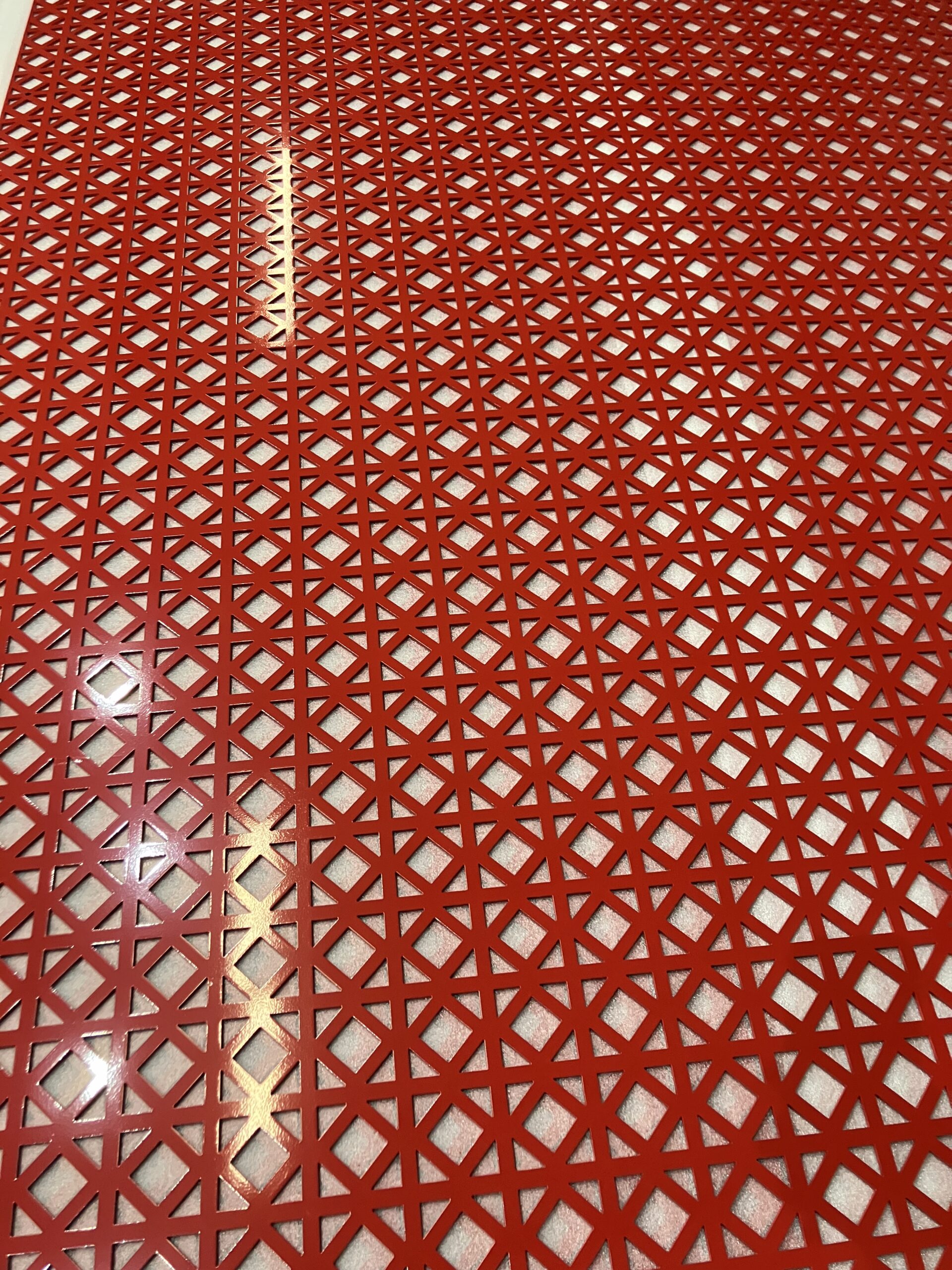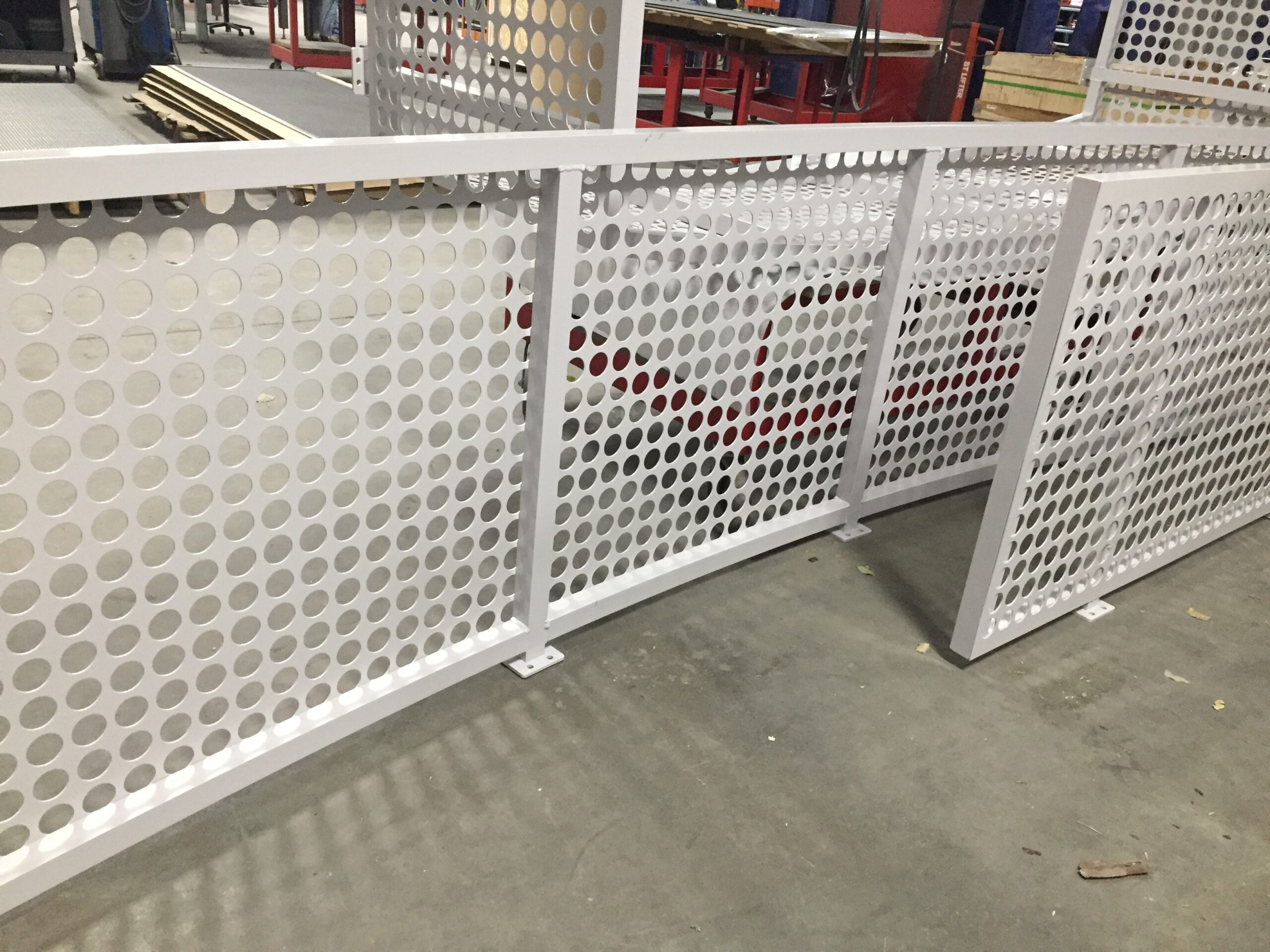
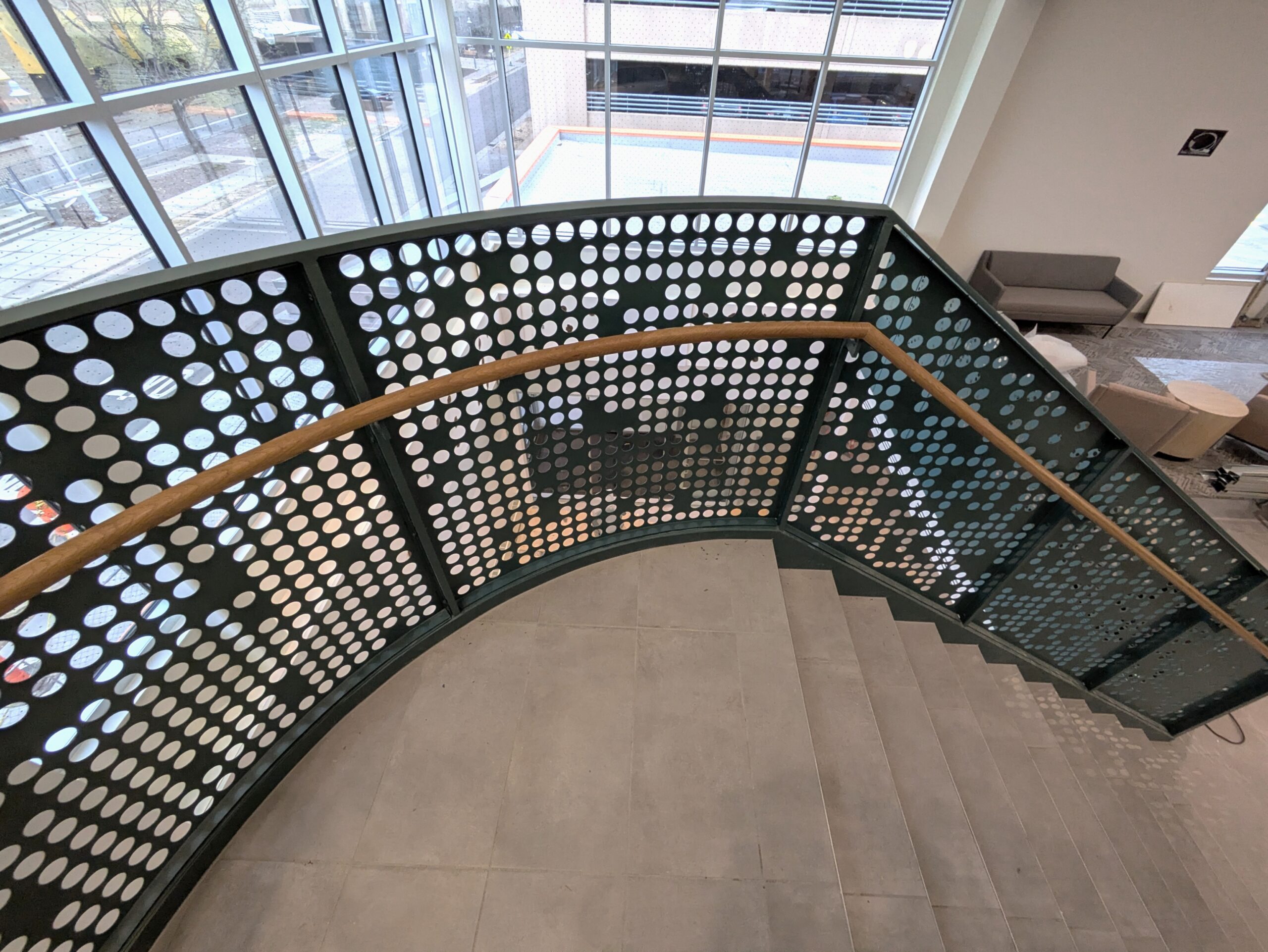
Commercial perforated metal railings are built to serve two purposes. At it’s basic core, railing are installed to provide user safety. But what sets perforated metal railing apart from their counterparts is their ability to add intentional design elements to a space.
Railings punched with perforation patterns can turn a functional barrier into a visual statement. Instead of feeling heavy or obstructive, these systems can feel open, dynamic, and surprisingly light. They allow airflow and visibility to move through a space while still delivering the protection required in demanding commercial environments.
In this article we answer these common questions:
- How do perforated metal railings compare to picket, cable, wire mesh, and glass systems in commercial applications?
- Should this project specify aluminum or stainless steel railings based on environment, maintenance expectations, and budget?
- What are the key International Building Code (IBC) requirements for commercial railing systems?
- What finish options are best for metal railings?
- What should architects know about the custom metal fabrication process before specifying a railing?
Infill Materials: Perforated, Picket, Wire Mesh, Cable & Glass
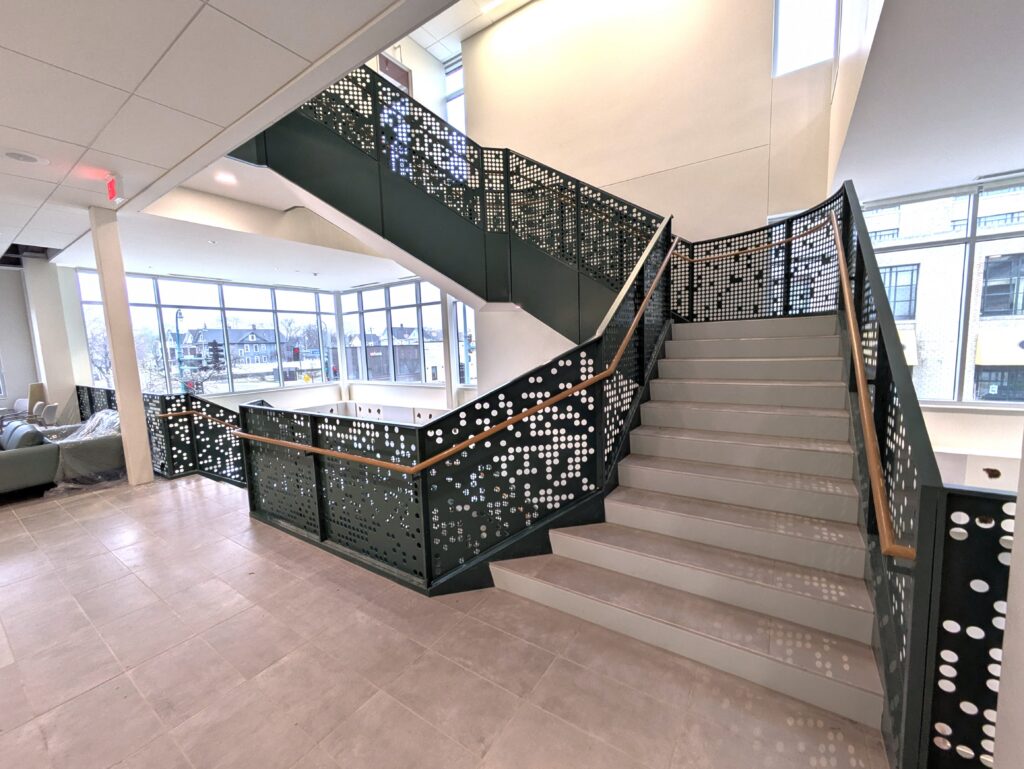
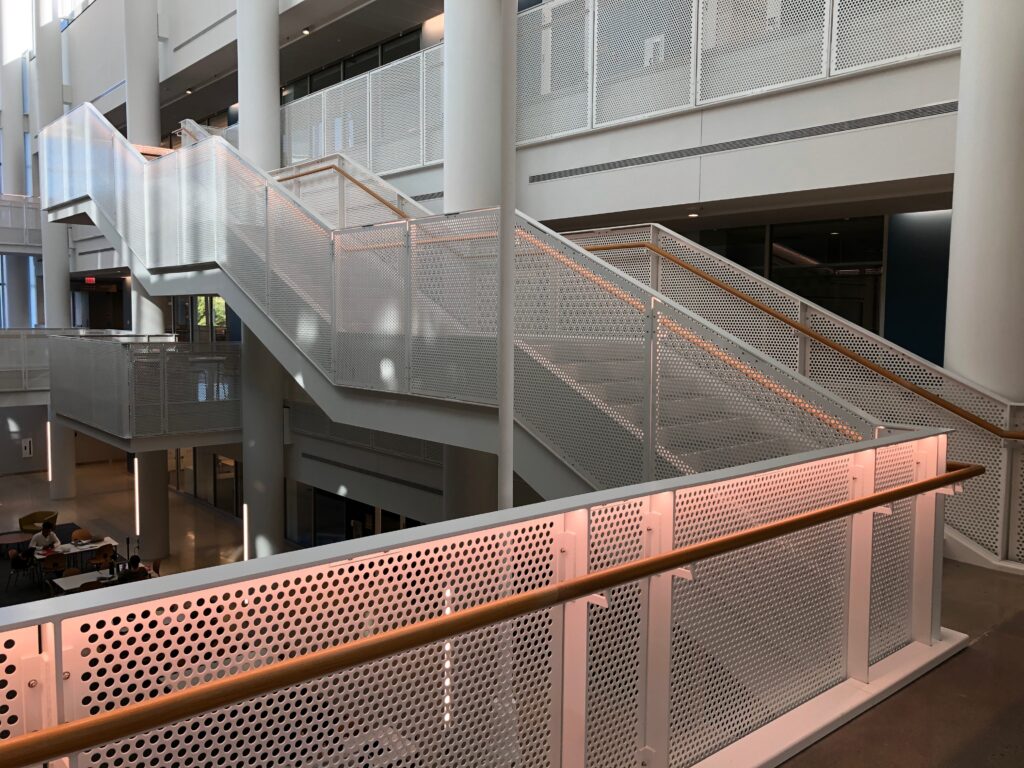
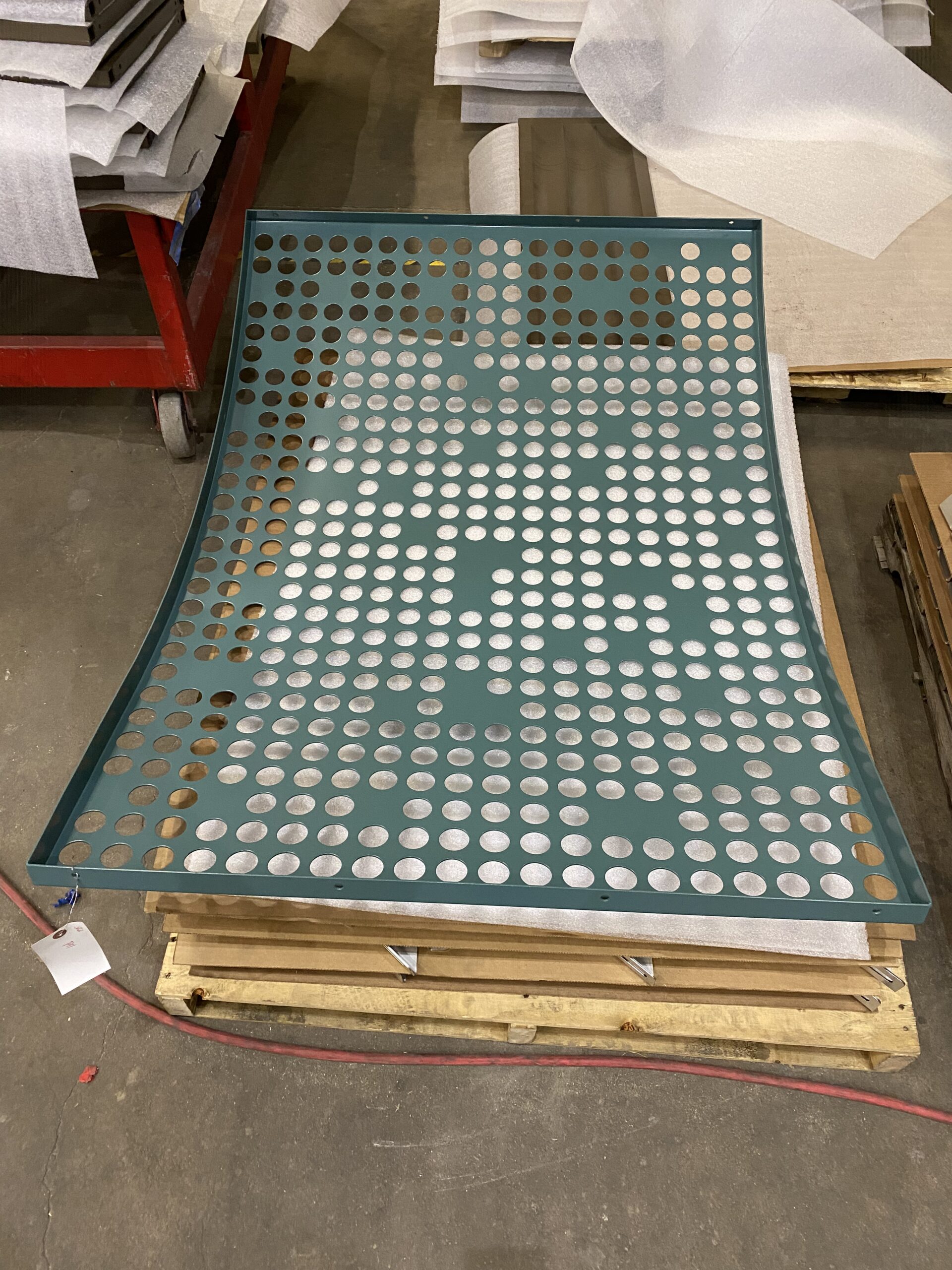
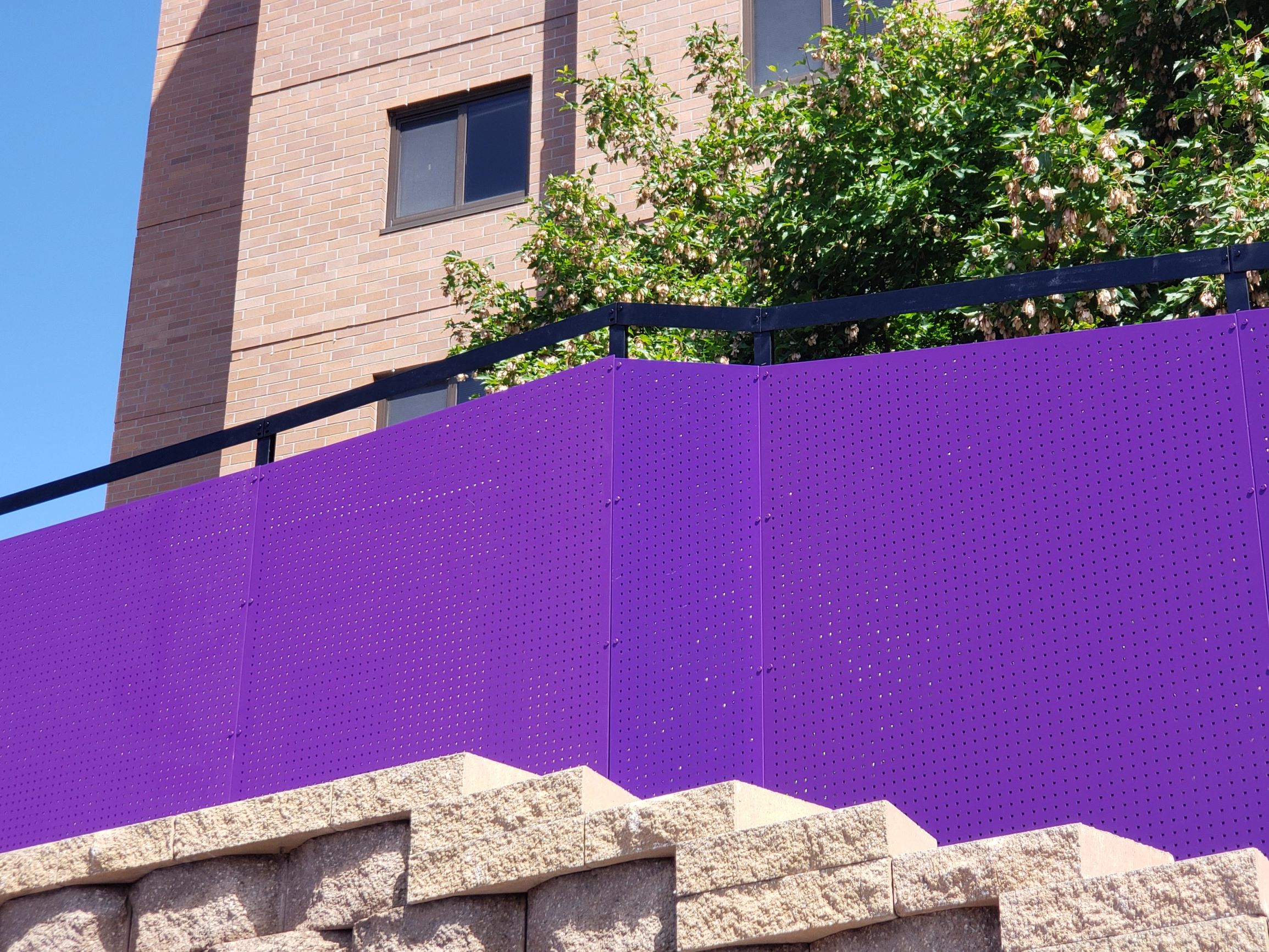
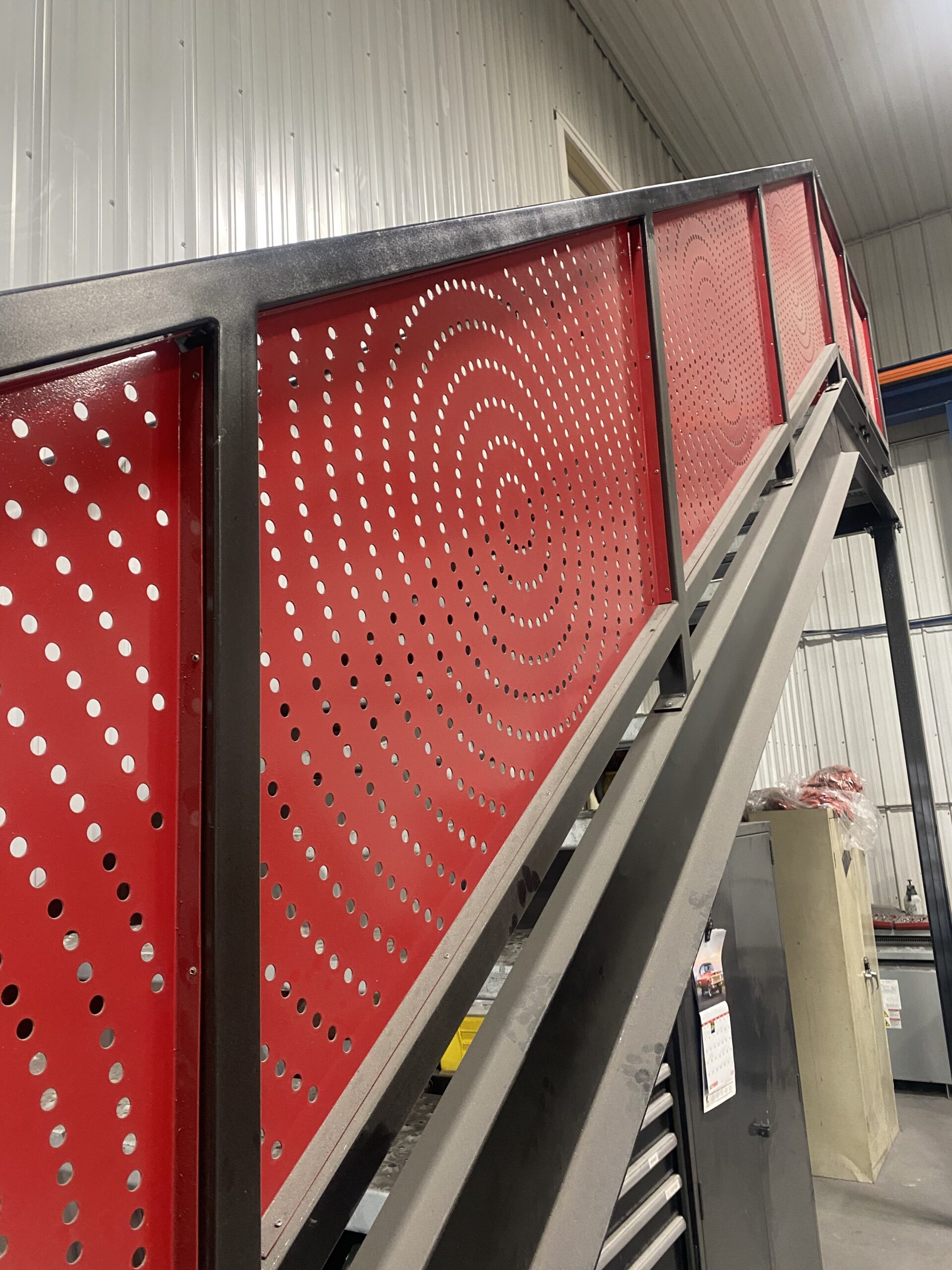
Perforated Metal Panels provide a modern architectural look while allowing airflow and partial visibility. They are available in countless perforation patterns and sizes, making them highly customizable for branding and design consistency.
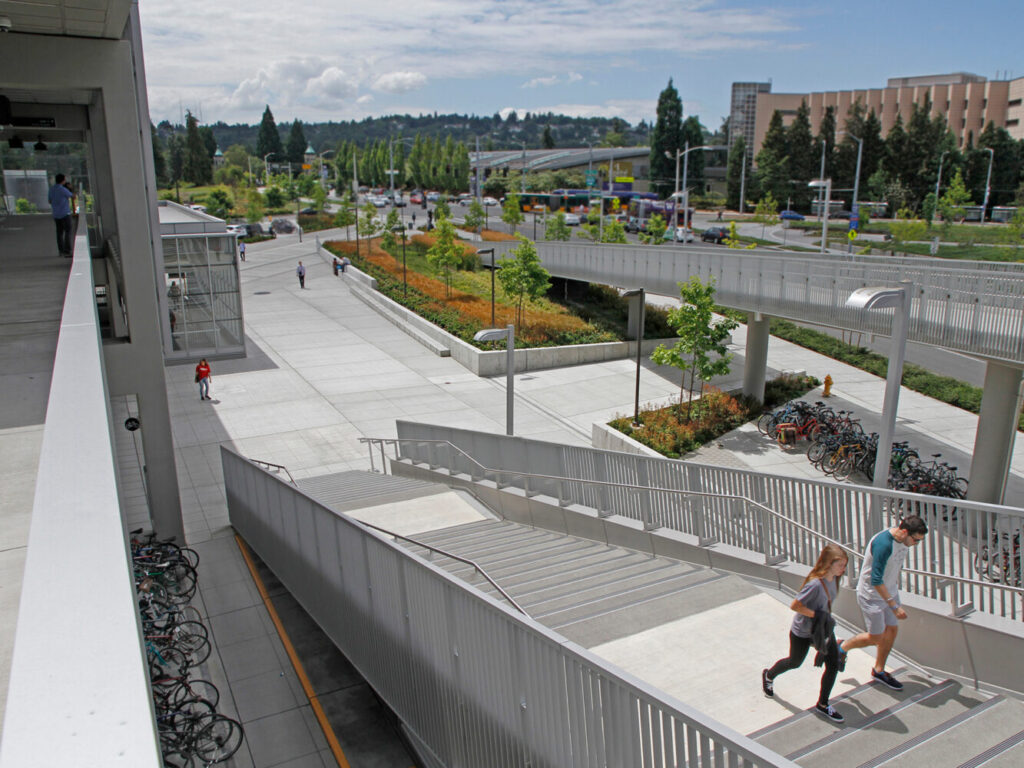
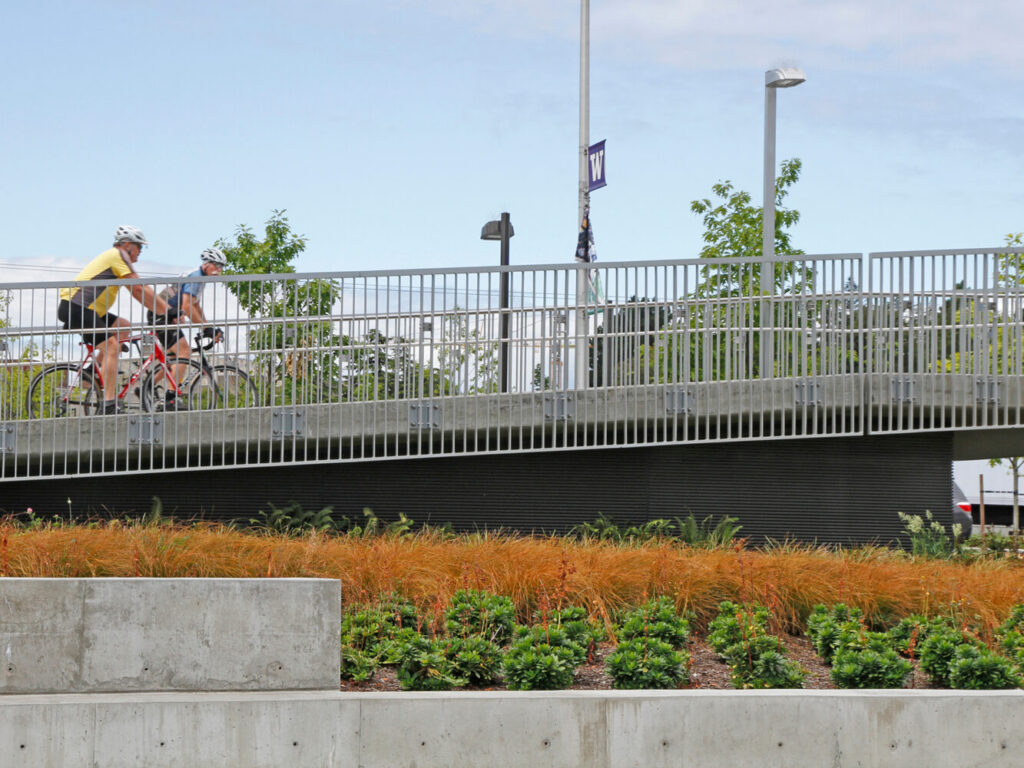
Picket Railings are a traditional and cost effective solution for standard railing applications.
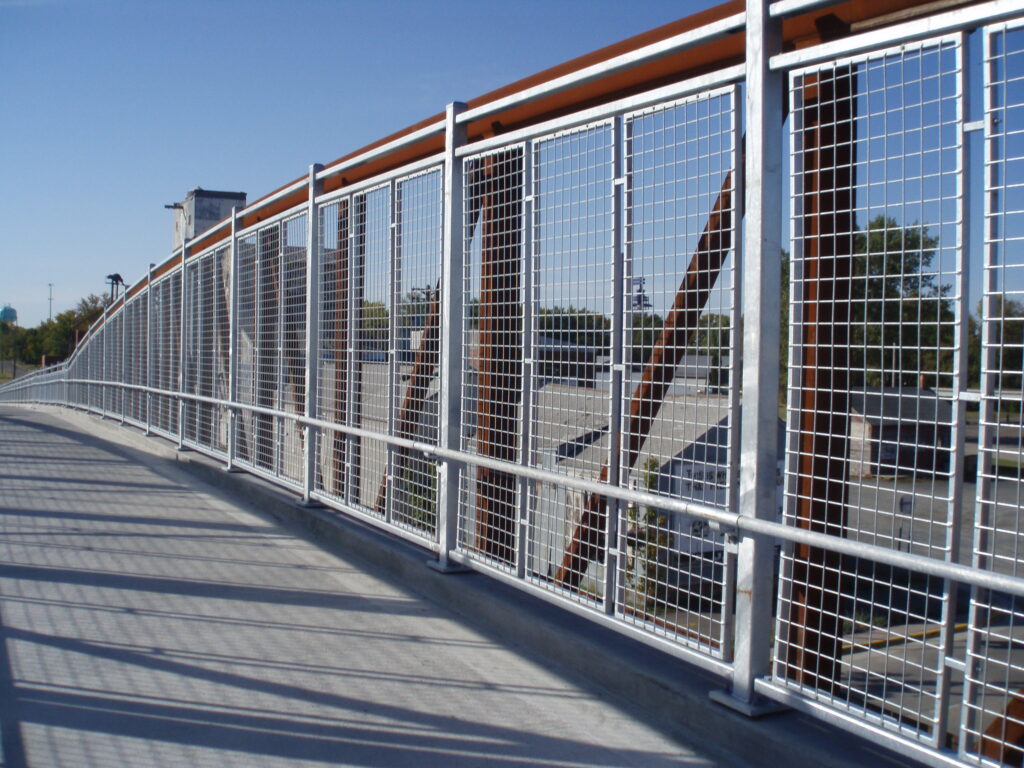
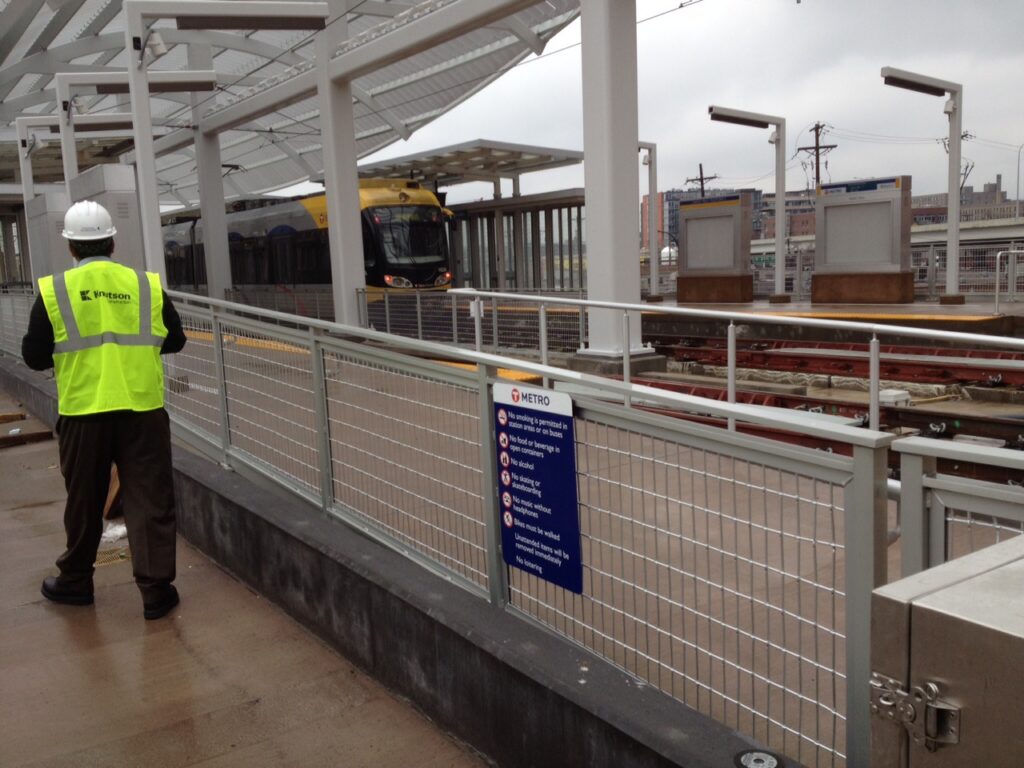
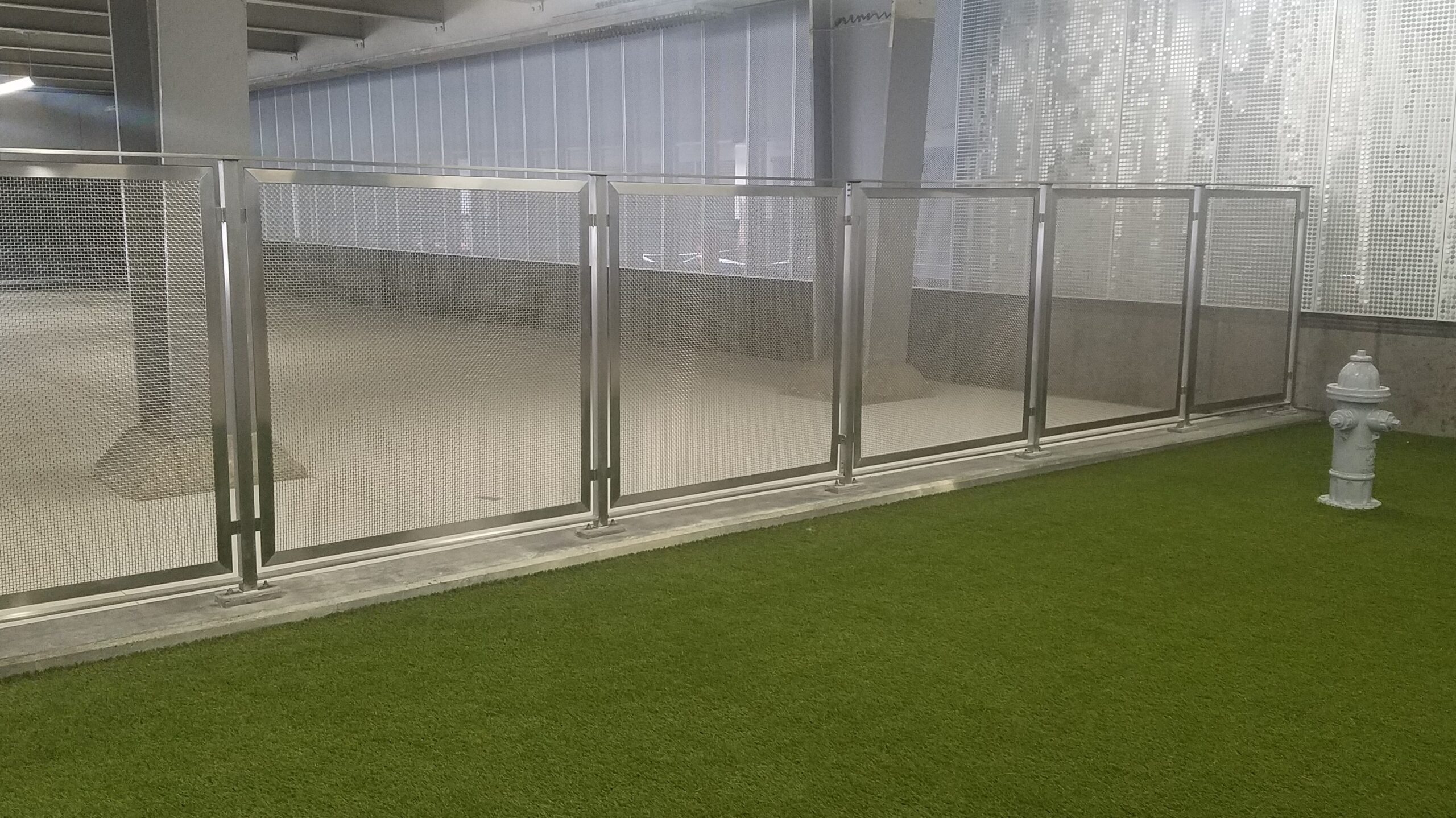
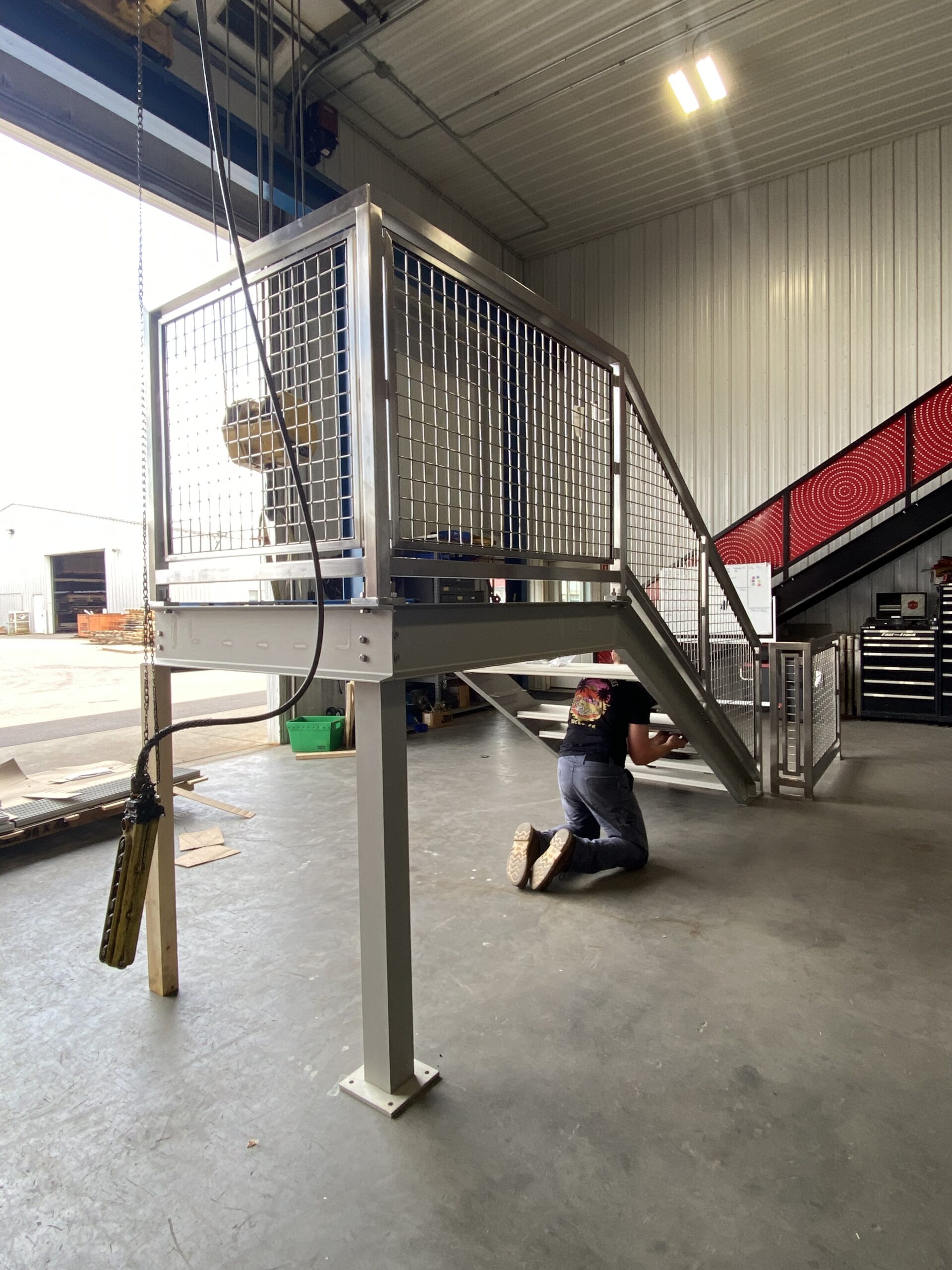
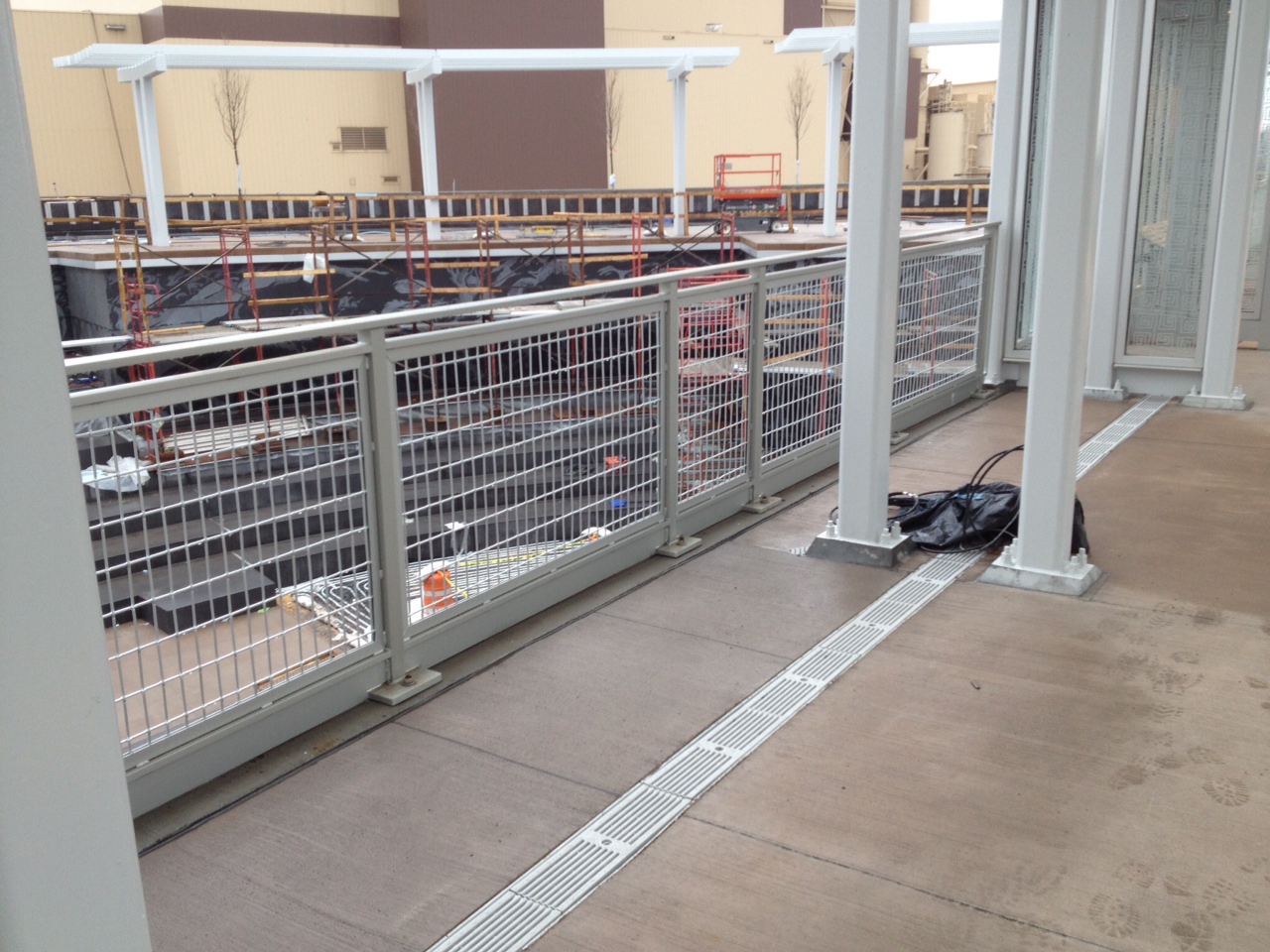
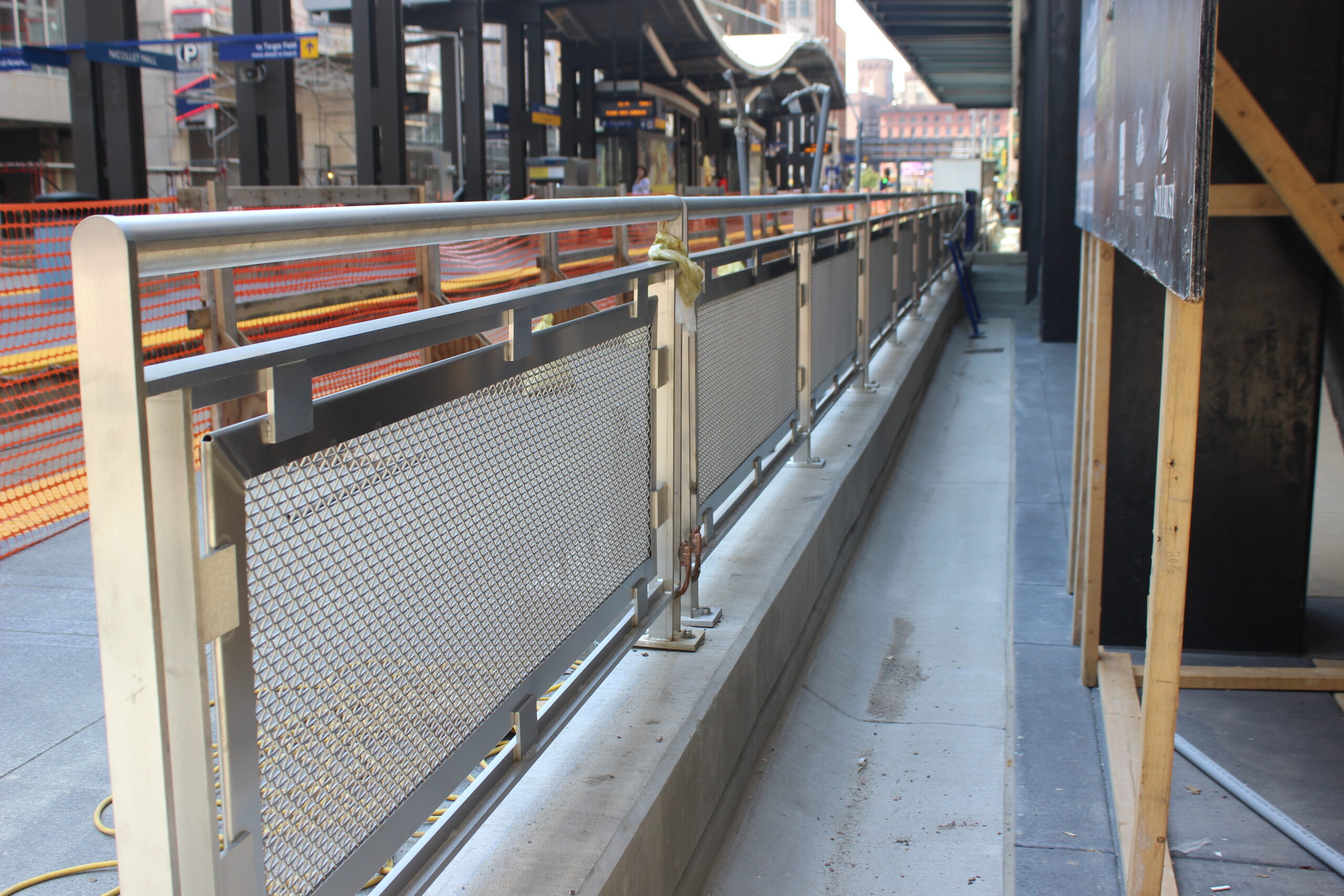
Wire Mesh Infill Panels provide an open feel while maintaining strength and safety. The mesh is welded directly to a four-sided frame and often wrapped with “U” edging for durability and easier installation.
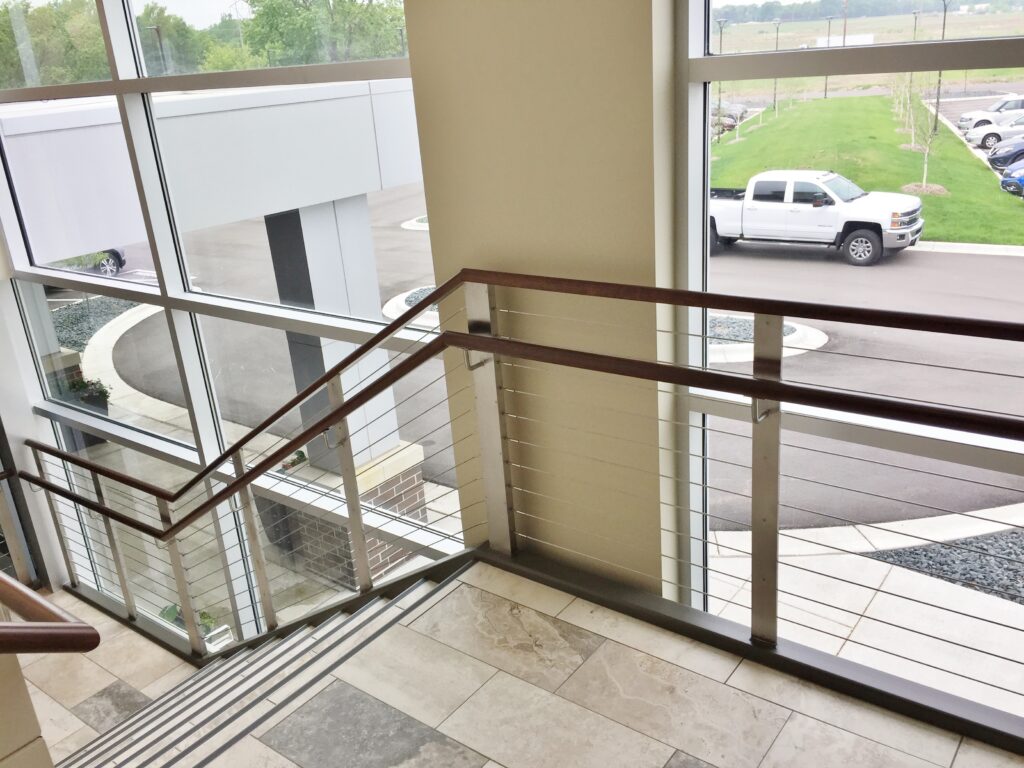
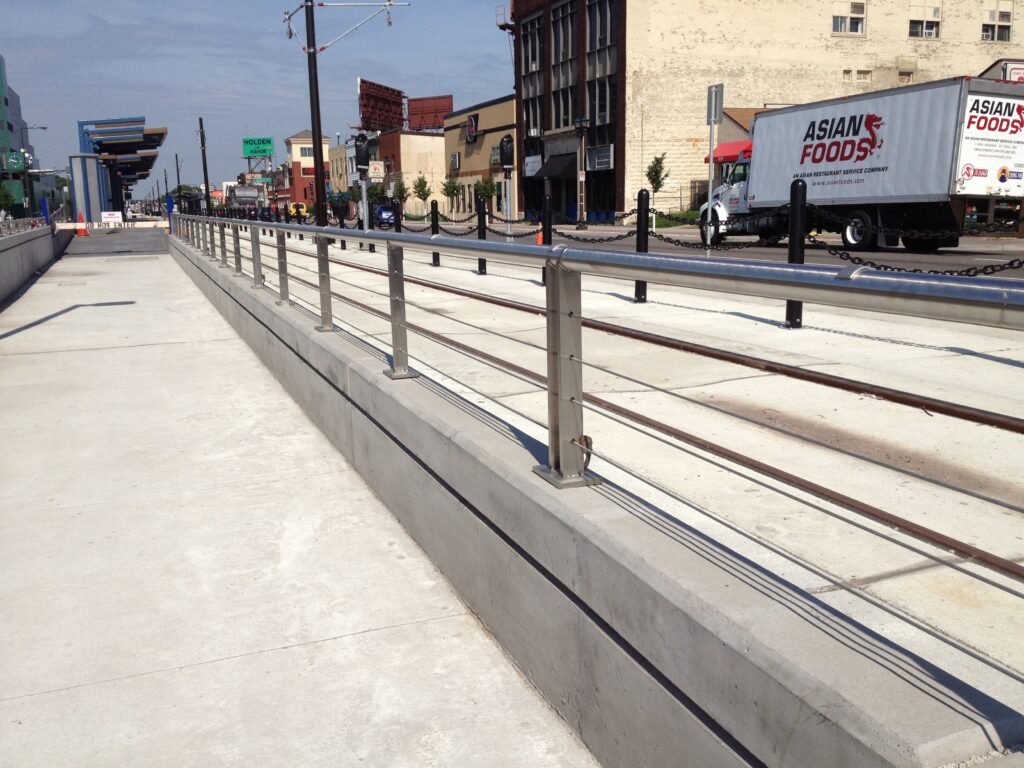
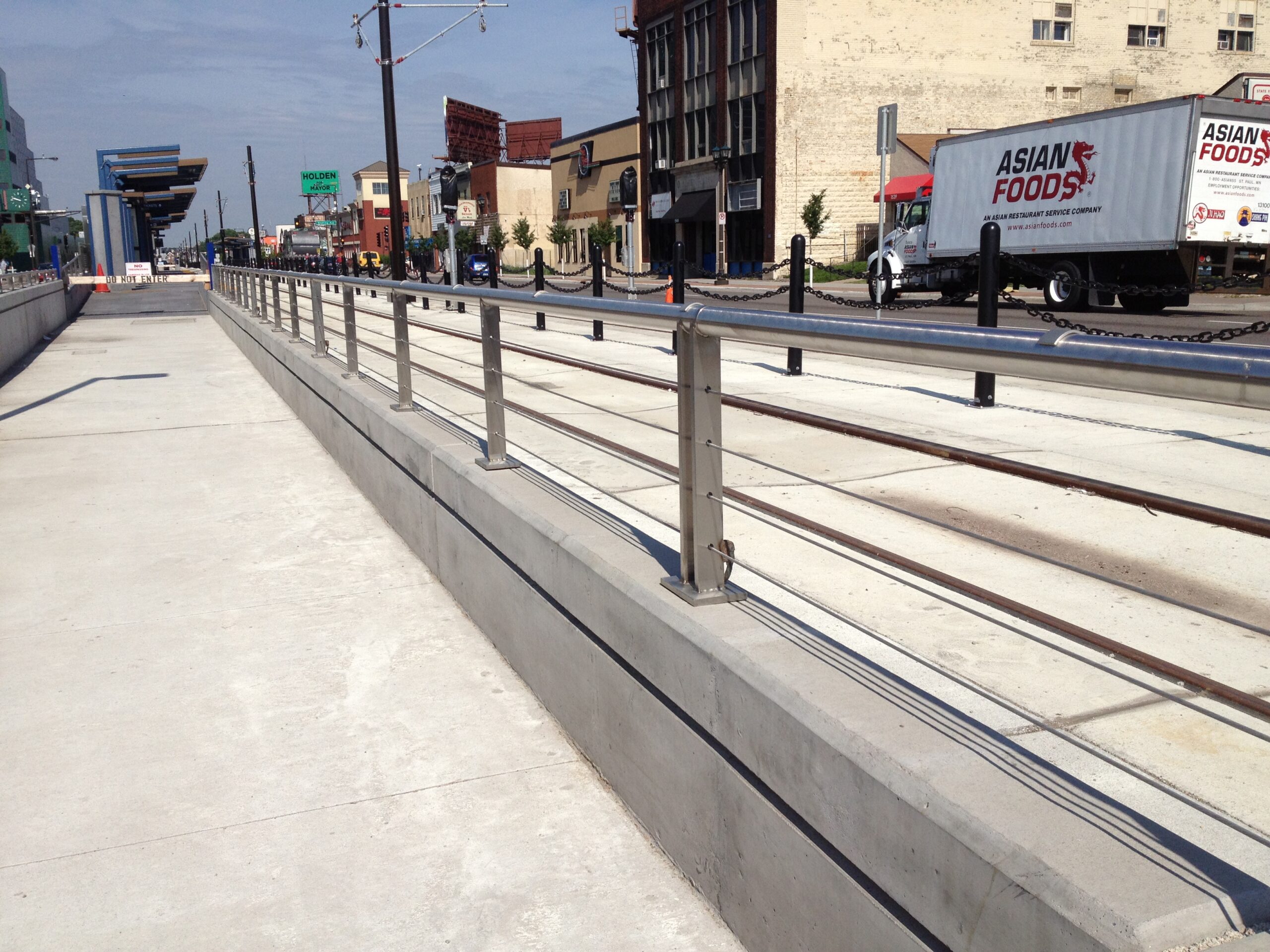
Cable Railings are ideal when preserving views is a priority. Horizontal or vertical cable systems create a clean, minimalist appearance.
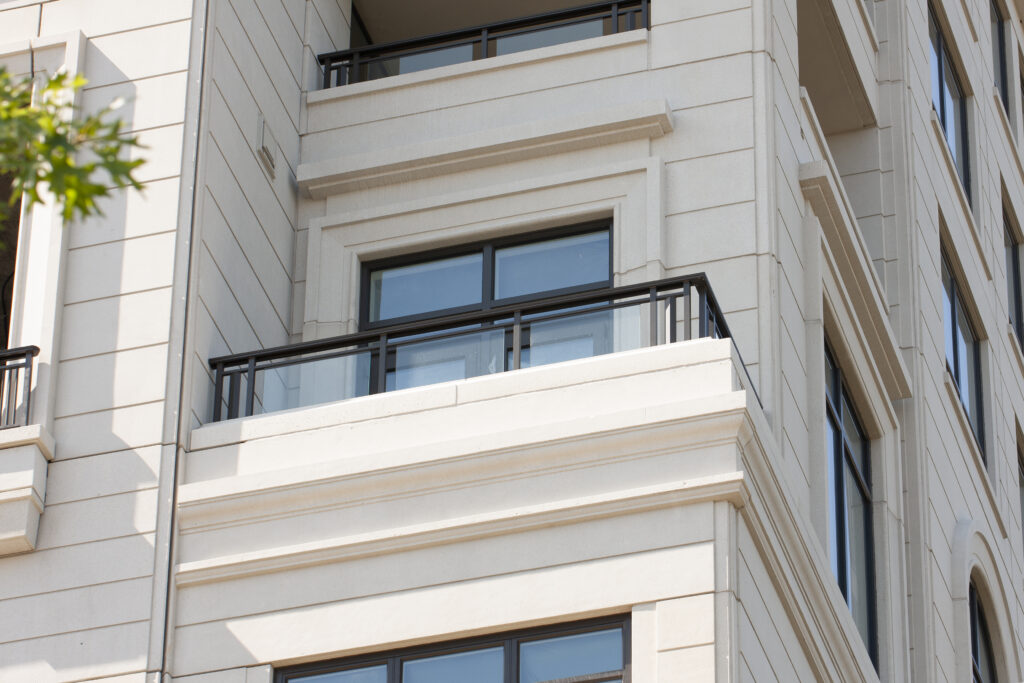
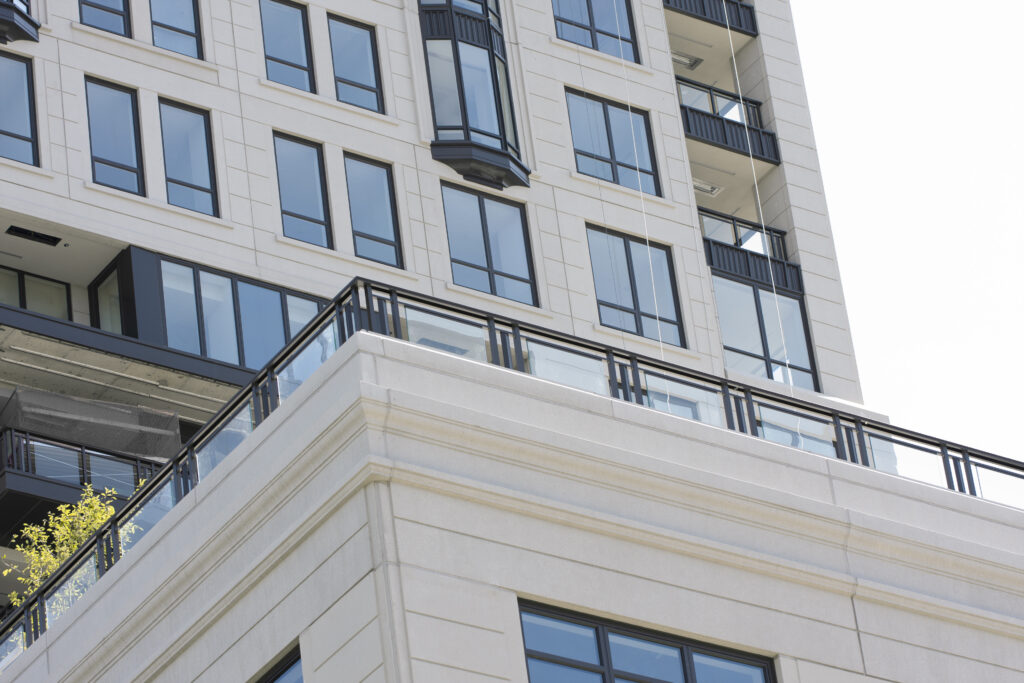
Glass Railings create an upscale appearance while maximizing visibility and natural light.
Aluminum Railings vs Stainless Steel Railings: Which metal to choose?
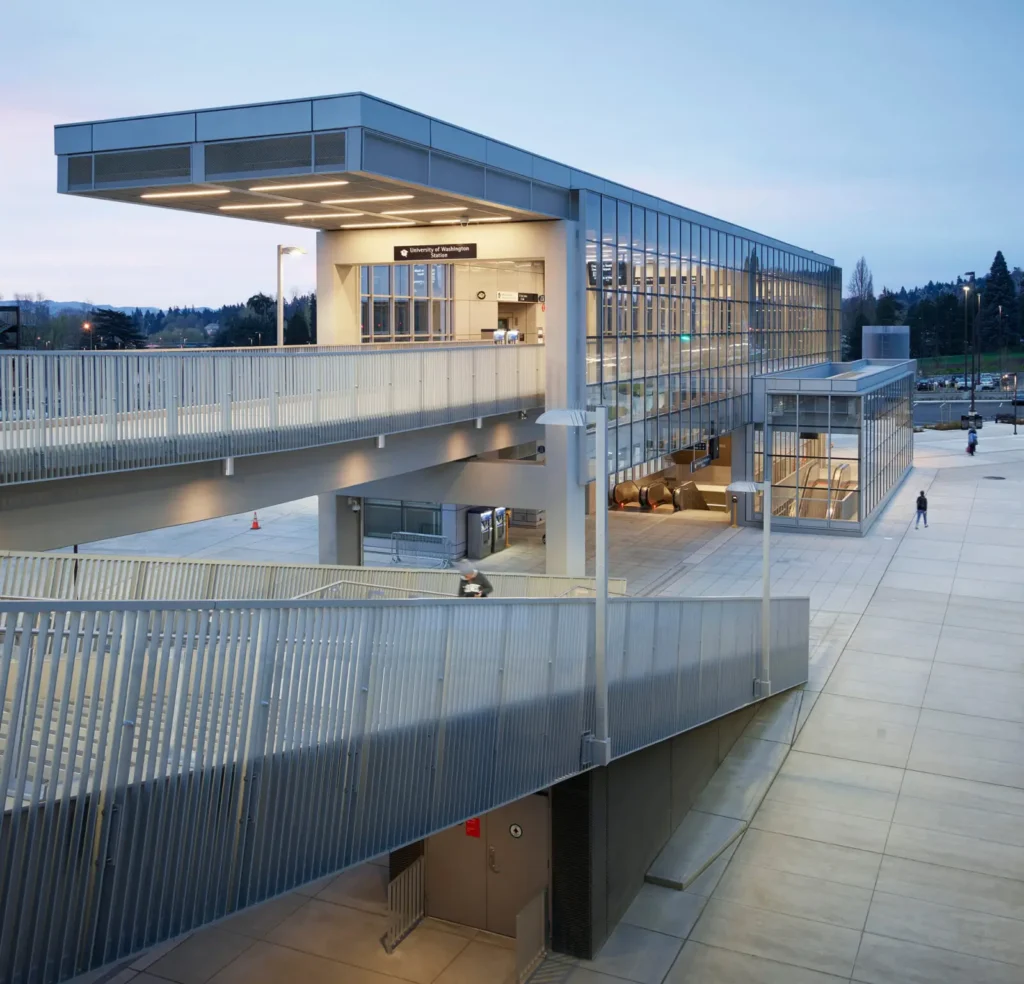
Aluminum Railings
Aluminum is one of the most widely specified materials for commercial railing systems because it delivers an optimal balance of corrosion resistance, lightweight performance, and long-term cost efficiency. Aluminum does not rust. Instead, it naturally forms a protective oxide layer that shields it from moisture, snow, humidity, and temperature fluctuations. This inherent corrosion resistance makes it highly suitable for exterior commercial environments.
From a structural and installation perspective, aluminum’s low density provides a significant engineering advantage over stainless steel while still maintaining sufficient strength for most railing applications. A 1″ diameter round aluminum rod weighs approximately 0.92–0.93 pounds per linear foot, compared to roughly 2.67 pounds per linear foot the same stainless steel rod. Aluminum is nearly three times lighter than stainless steel. This weight reduction improves fabrication efficiency, reduces on-site labor demands, and minimizes structural loading on building components such as balconies and elevated walkways. On large commercial projects, these efficiencies can meaningfully reduce overall project cost.
Choose aluminum railings when:
- Weight reduction is critical
- Corrosion resistance is required outdoors
- Budget efficiency is a priority for large-scale projects
Stainless Steel
Stainless steel is selected for commercial railing systems when maximum durability, structural integrity, and a premium architectural appearance are required. It is widely used in high-performance environments where railings must withstand continuous heavy use, including stadiums, transportation hubs, hospitals, educational facilities, and high-traffic commercial developments. As noted before, stainless steel is a dense and heavy metal. Its inherent rigidity provides a solid, permanent feel that is difficult to replicate with lighter materials.
Stainless steel is very corrosion resistant due to its alloy composition. The metal’s chromium content forms a passive oxide layer that continuously protects the material from rust and surface degradation. For exterior applications, Grade 316 stainless steel is typically specified due to its enhanced resistance to chlorides and aggressive environmental conditions. The addition of molybdenum and higher nickel content makes it especially effective in coastal environments, rooftop installations, parking structures, and other locations exposed to salt and moisture.
Choose stainless steel railings when:
- Maximum rigidity and impact resistance are required
- A premium architectural finish and corrosion resistance is specified
- The system is exposed to high traffic or coastal environments
Commercial Building Code Considerations (IBC)
Our pre-engineered products are designed based on project requirements and include:
Structural Load Compliance
- Minimum 200 lb concentrated load resistance in any direction
- Uniform 50 lb per square foot load distribution requirements
Opening Limitations
- Maximum clear opening: 4 inches in any direction
- Ensures compliance with safety standards and prevents unsafe passage through infill areas
Durability & Environmental Performance
- Material and finish selections are specified based on environmental exposure conditions
- Designed to resist corrosion, weathering, and long-term wear
- Supports long-term structural performance and architectural appearance retention
Perforated Panel Size Limits (Galaxy, Apollo & Stellar Systems)
- Maximum panel width: 60 inches
- Maximum panel length: 144 inches
- Limits are set to ensure structural performance, fabrication consistency, and installation efficiency
Picket System Configurations & Material Specifications
Pulsar Picket Guardrails:
- Top rail: 3″ × 2″ × 0.1875″ rectangular tube
- Bottom rail: 3″ × 1″ × 0.1875″ rectangular tube
- Pickets: 2″ × 0.375″ flat bar
- Posts: 3″ × 0.50″ flat bar with 2″ × 0.375″ welded horizontal flat bar connections
Vega Robust Picket Guardrails:
- Top rail: 2″ × 1″ × 0.125″ extruded profile with integrated channel
- Bottom rail: 2″ × 1″ × 0.125″ channel
- Pickets: 1″ × 1″ flat bar
- Posts: 2″ × 2″ × 0.1875″ tube
Finishing: What Finish is Best for Commercial Perforated Metal Railings?
Powder Coating (Polyester / PVDF Systems)
Powder coating is the most popular finishing method for commercial perforated metal railings. Powder coating is a dry finishing process where electrically charged paint particles are applied to a metal surface and then cured under heat to form a continuous protective film. This creates a hard, smooth and consistence finish across the application. For architectural railing systems, powder coatings are commonly specified in accordance with AAMA 2604 or AAMA 2605 performance standards.
Powder coating allows for a broad range of architectural colors, including custom corporate branding (e.g., matched to a company’s Pantone or RAL specification), as well as specialty textures and gloss ranges. PVDF-enhanced powder systems are often selected for high-exposure environments such as coastal buildings, rooftop railings, and sun-intense façades due to their improved UV resistance and long-term color retention.
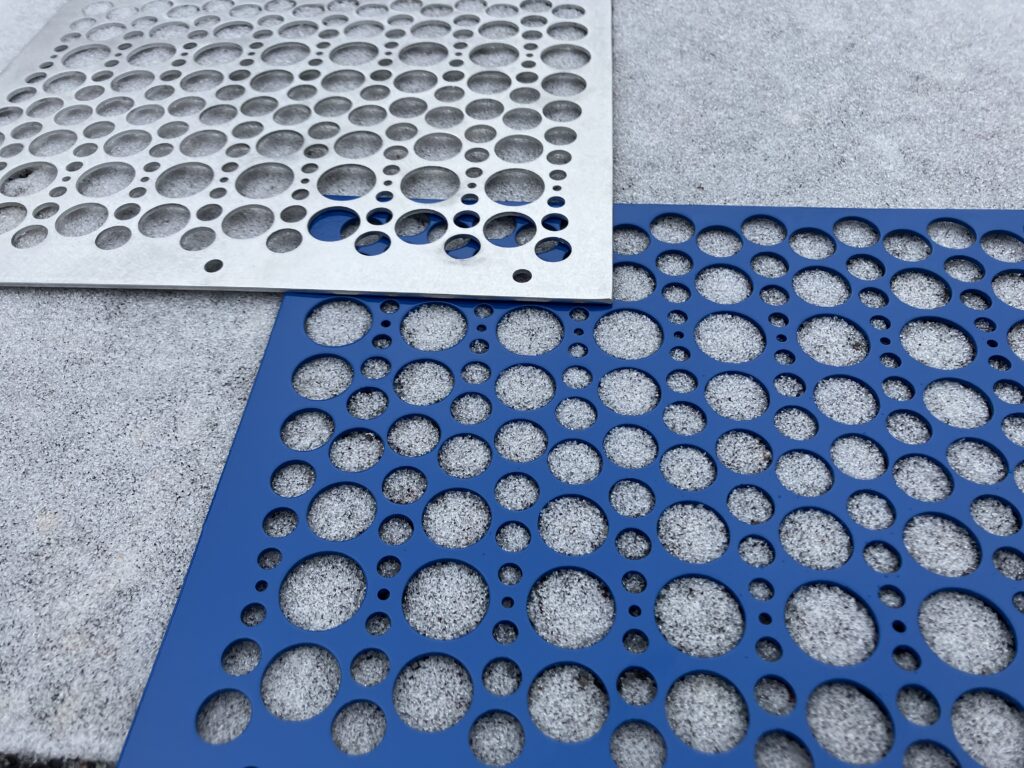
Wet Paint Finishes
Wet paint finishing is a liquid-applied coating system commonly formulated as epoxy, polyurethane, acrylic, or fluoropolymer-based finishes. In architectural railing applications, it is frequently specified for restoration work and installations that require precise color matching or future on-site touch-ups. Unlike powder coating, wet paint allows for more flexible color replication because it is mixed in liquid form, enabling fine adjustments to closely match existing finishes. It also offers the advantage of field application, whereas powder-coated components must be finished in a controlled manufacturing environment.
From a surface performance standpoint, wet paint does not typically achieve the same uniform smoothness as powder coating due to its liquid film application. This can result in slight variations in texture and film build depending on application conditions and environmental factors. Wet paint finishes may have a more textured feel compared to the harder, more consistent surface profile of powder coatings. For this reason, wet paint systems are generally best suited for low touch areas and applications where color matching and field painting are specified.
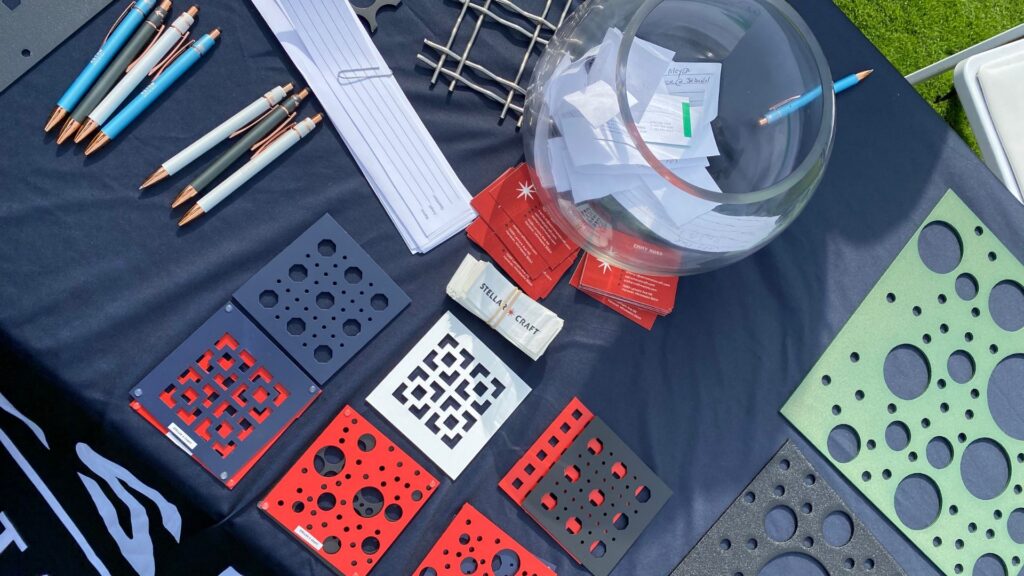
Anodized Aluminum
Anodizing is an electrochemical conversion process that thickens the natural oxide layer on aluminum, creating a hard, integrated surface that becomes part of the base metal rather than a coating applied on top. This results in a finish with excellent abrasion resistance, corrosion protection, and long-term color stability.
In commercial perforated metal railings, anodizing is often specified for projects requiring a refined metallic appearance with minimal maintenance. Typical finishes include clear anodized (silver metallic tone) as well as bronze and black anodized variations. Because the color range is achieved through controlled electrochemical processes rather than pigments, anodized finishes tend to offer superior UV stability compared to many organic coatings.
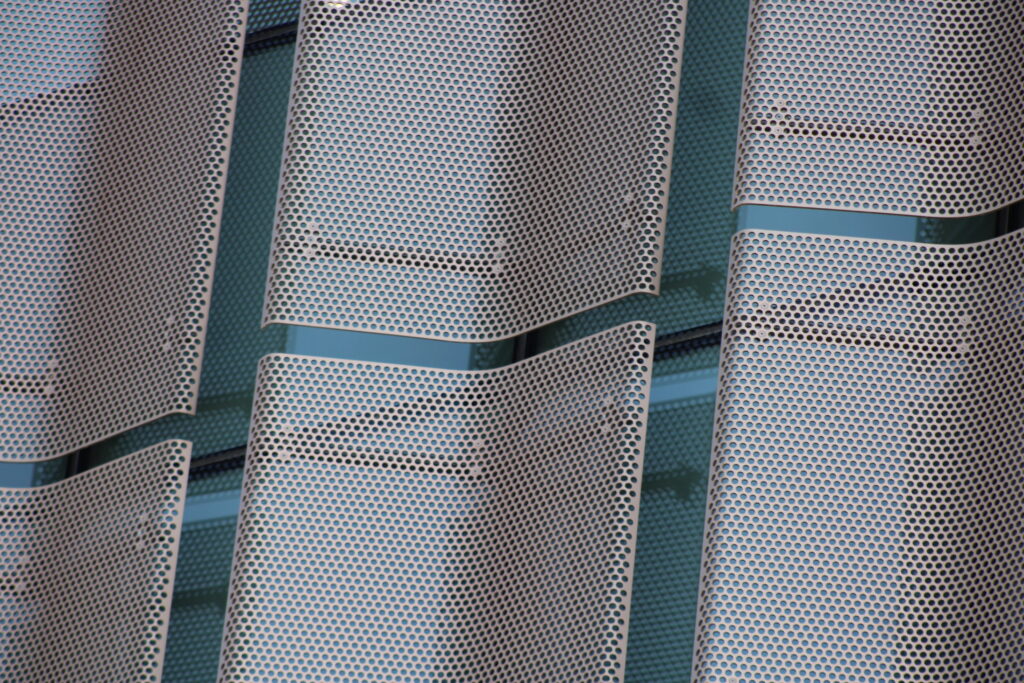
Galvanizing Stainless Steel
The process of galvanizing occurs by coated steel with a thin layer of zinc to provide sacrificial corrosion protection. The most common method used in railing fabrication is hot-dip galvanizing, where fabricated steel components are submerged in molten zinc to form a bonded protective layer.
The zinc coating protects the steel by corroding in place of the base metal, significantly extending service life in exposed environments. In many architectural applications, galvanized railings are either left exposed for an industrial aesthetic or further enhanced with a powder-coated finish to combine corrosion protection with architectural color control (a duplex system).
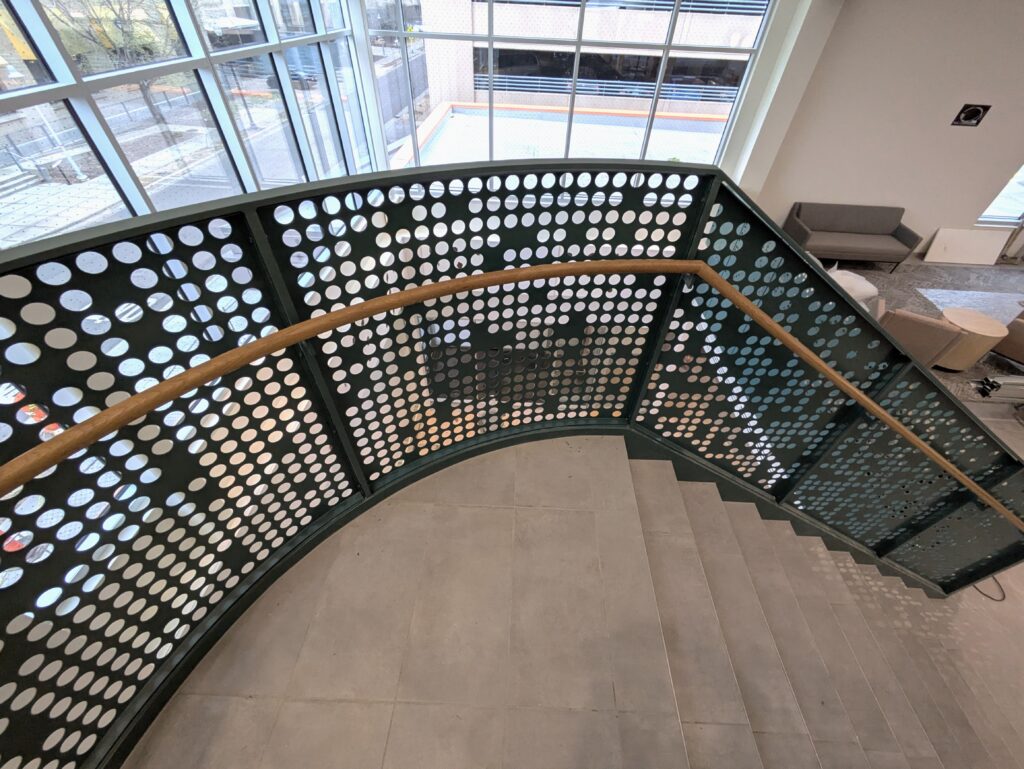
Mechanical Finishes
Mechanical finishing processes are used to refine the surface texture of metal railings prior to or in place of applied coatings. These finishes are achieved through controlled abrasion methods such as brushing, grinding, or bead blasting, and are commonly applied to stainless steel and aluminum components.
For example, a #4 brushed stainless steel finish produces a linear grain pattern that is frequently used in commercial handrails, lobby railings, and high-traffic architectural spaces due to its ability to conceal fingerprints and minor scratches. Bead blasting can be used to create a uniform matte surface on aluminum railing components prior to powder coating, improving coating adhesion and overall finish consistency. Mechanical finishes are often specified when a tactile, non-reflective, or industrial architectural appearance is required.
What should architects know about the custom metal fabrication process before specifying a railing?
StellarCraft is a fully in-house, made-in-America metal fabrication company specializing in architectural metal systems.
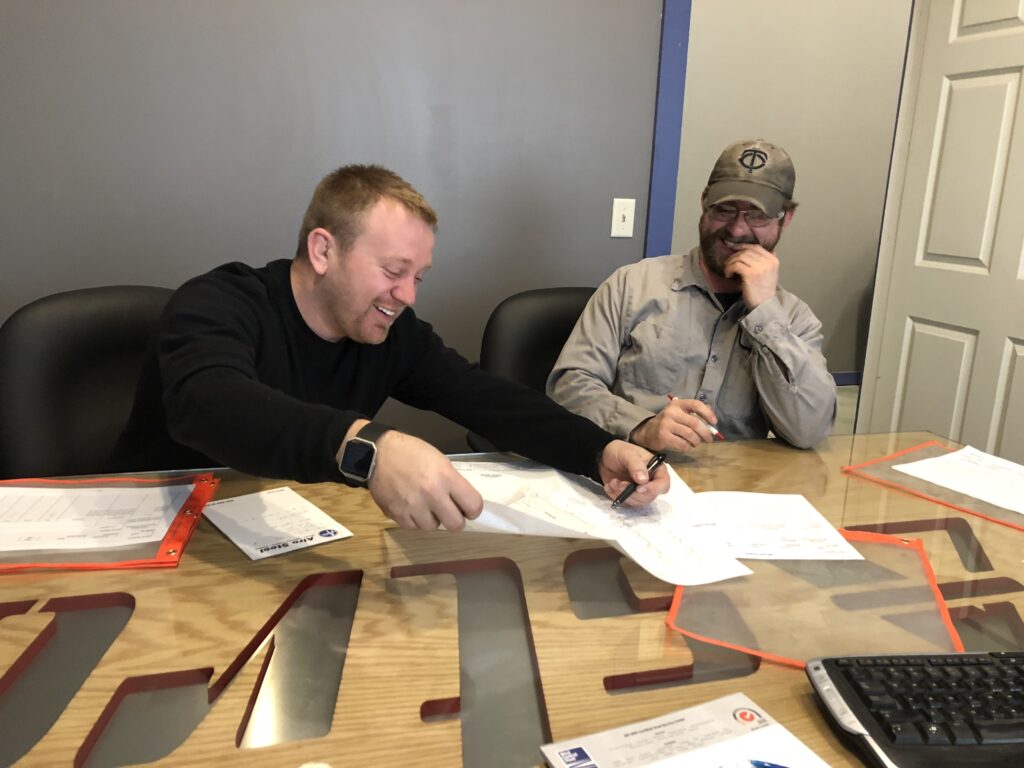
We work directly with architects, contractors, and building owners to ensure that design intent is maintained while also addressing the practical realities of fabrication, cost, and installation. Our role extends beyond production as we serve as your technical fabrication partner throughout the entire construction process.
Collaborative Design
Our process begins at the concept stage, where we partner directly with design teams to translate architectural concepts into fully engineered, buildable metal systems. Whether a client approaches us with a rough idea or a fully developed design, our team helps bridge any technical or structural gaps to ensure the concept is fabrication ready.
This includes assessing panel layouts, structural support requirements, mounting conditions, and integration with adjacent building systems. The StellarCraft product line is pre-engineered with proven structural frameworks, attachment methods, and connection details, allowing us to efficiently bring design concepts into fully realized architectural metal systems.
Meeting Budgets
A critical part of our process is aligning design intent with project budget constraints. We do this by selecting appropriate materials, optimizing fabrication methods, and designing for manufacturability. With in-house capabilities including three punch machines, a laser cutter, a punch-laser combination system, multiple CNC machines, and a team of qualified welders and machinists, we maintain full control over the production process. This integrated manufacturing approach allows us to streamline fabrication, improve efficiency, and ensure projects are delivered within budget while maintaining consistent quality standards.
Staying on Schedule
Every project is assigned a dedicated project manager who oversees the entire fabrication process from design concept through delivery. This ensures clear communication, accountability, and alignment with construction timelines.
We also evaluate where our scope fits within the overall project schedule, coordinate submittals and approvals, and manage production sequencing to meet critical milestones. This structured approach helps reduce delays and ensures that fabricated components arrive on-site when they are needed for installation.
Delivering a High-Quality Product
Quality control is embedded throughout every stage of our fabrication process to ensure consistency, accuracy, and long-term performance. Our team includes two Certified Welding Inspectors (CWI) who actively oversee weld quality, fabrication standards, and compliance with project specifications.
In addition, our experienced machinists are highly trained in working with specialty metals and complex custom fabrication projects. This combination of certified inspection and skilled craftsmanship ensures a high level of quality control from raw material through final assembly.
When required, we also provide national installation coordination to ensure that fabricated systems are properly handled, installed, and aligned with the original design intent. This end-to-end oversight helps guarantee that the finished product performs as intended both structurally and architecturally.
Real-World Examples of Commercial Perforated Metal Railings
To see how this process works in practice, explore our case study page featuring a range of completed projects of commercial perforated metal railings.
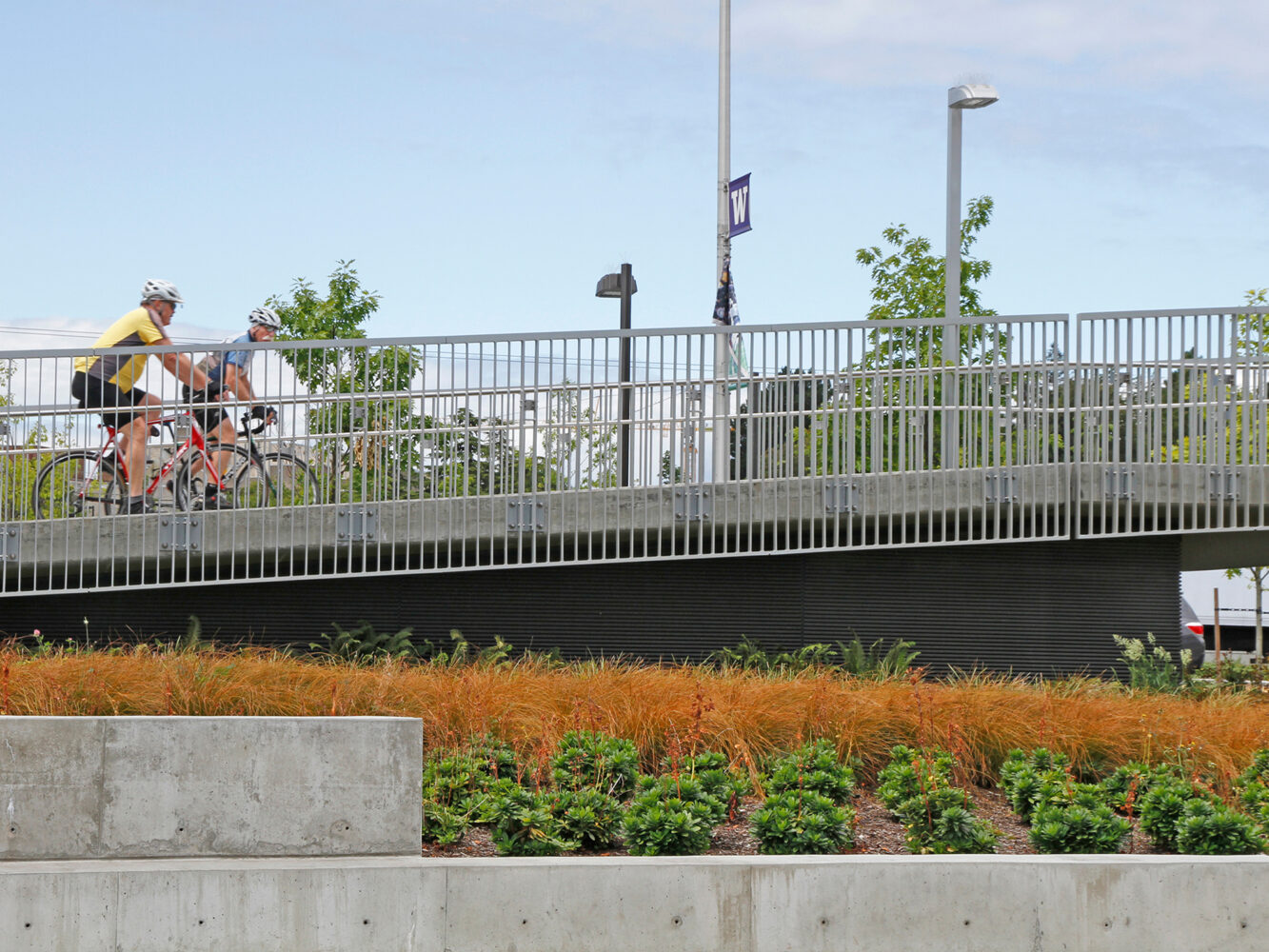
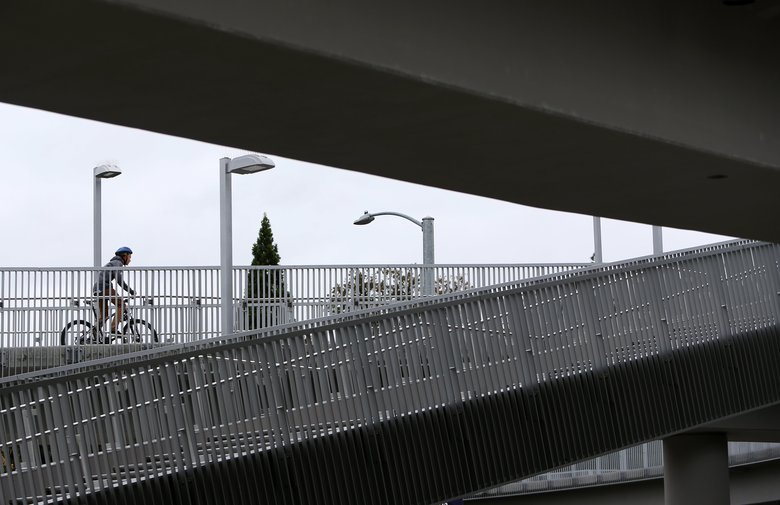
- University of Washington Bridge Railing- Vega Robust Picket Railing
- Southside Community Health Services – Galaxy Guardrail
- Carleton College- Apollo Steel Guardrail