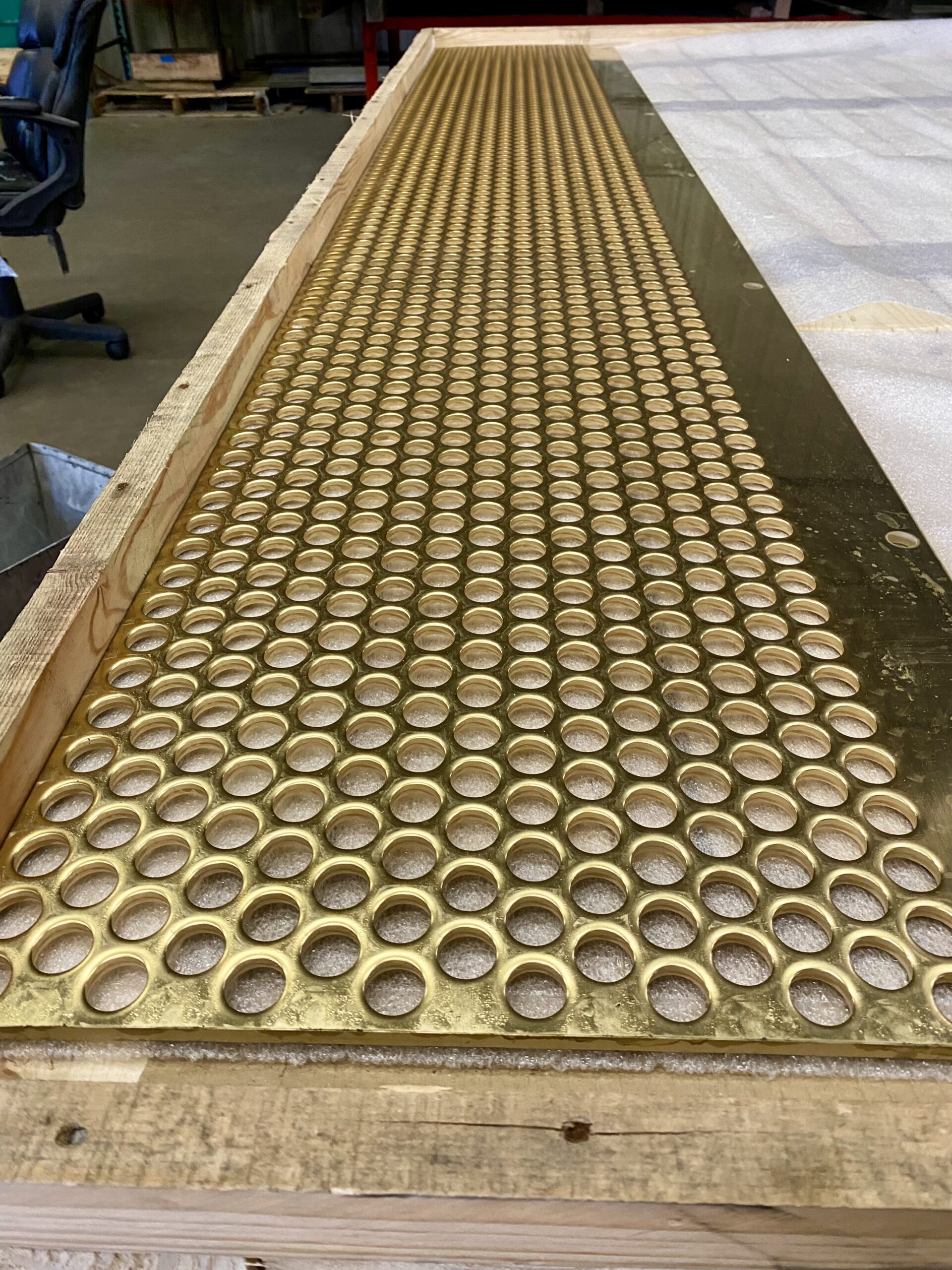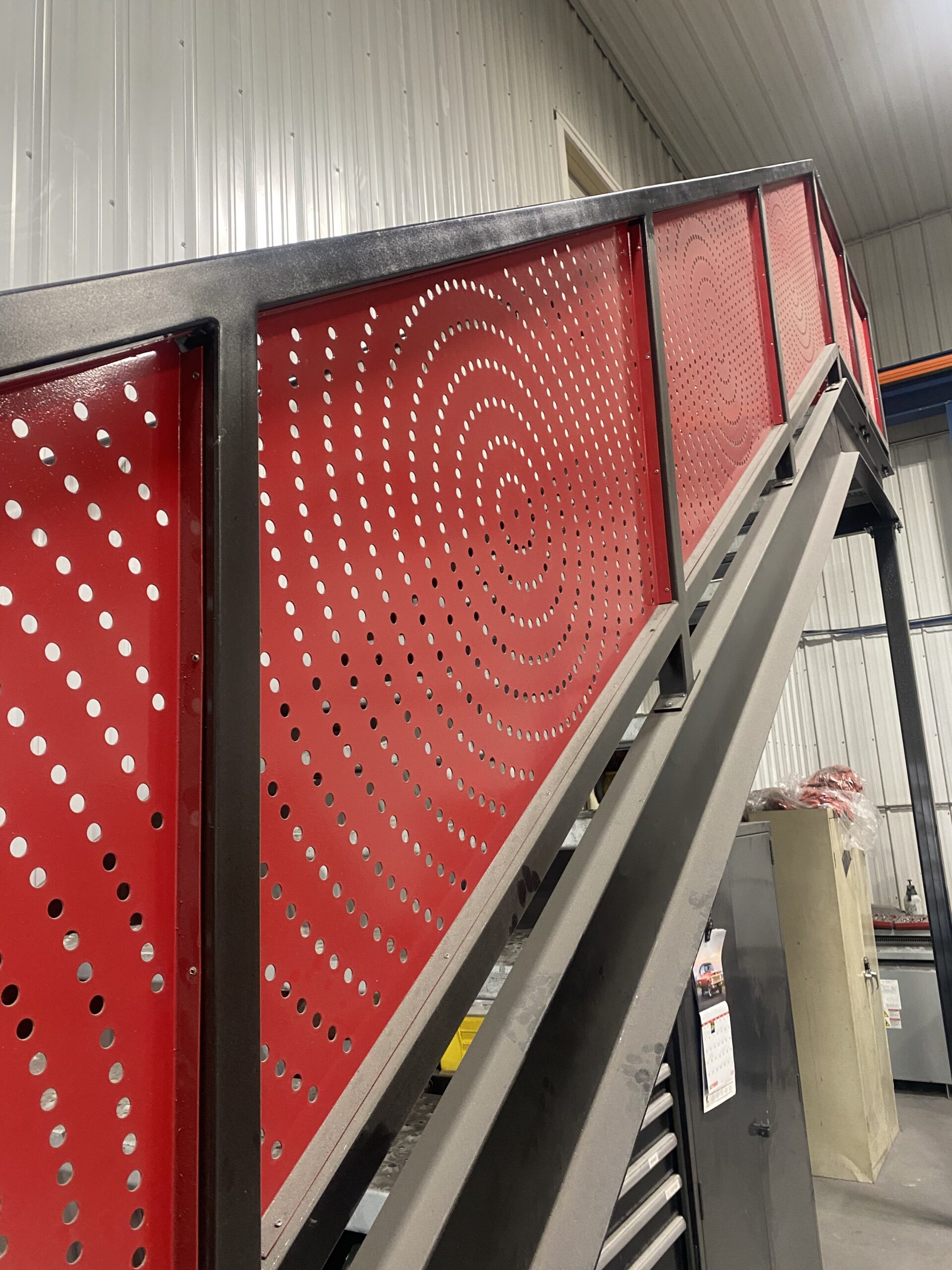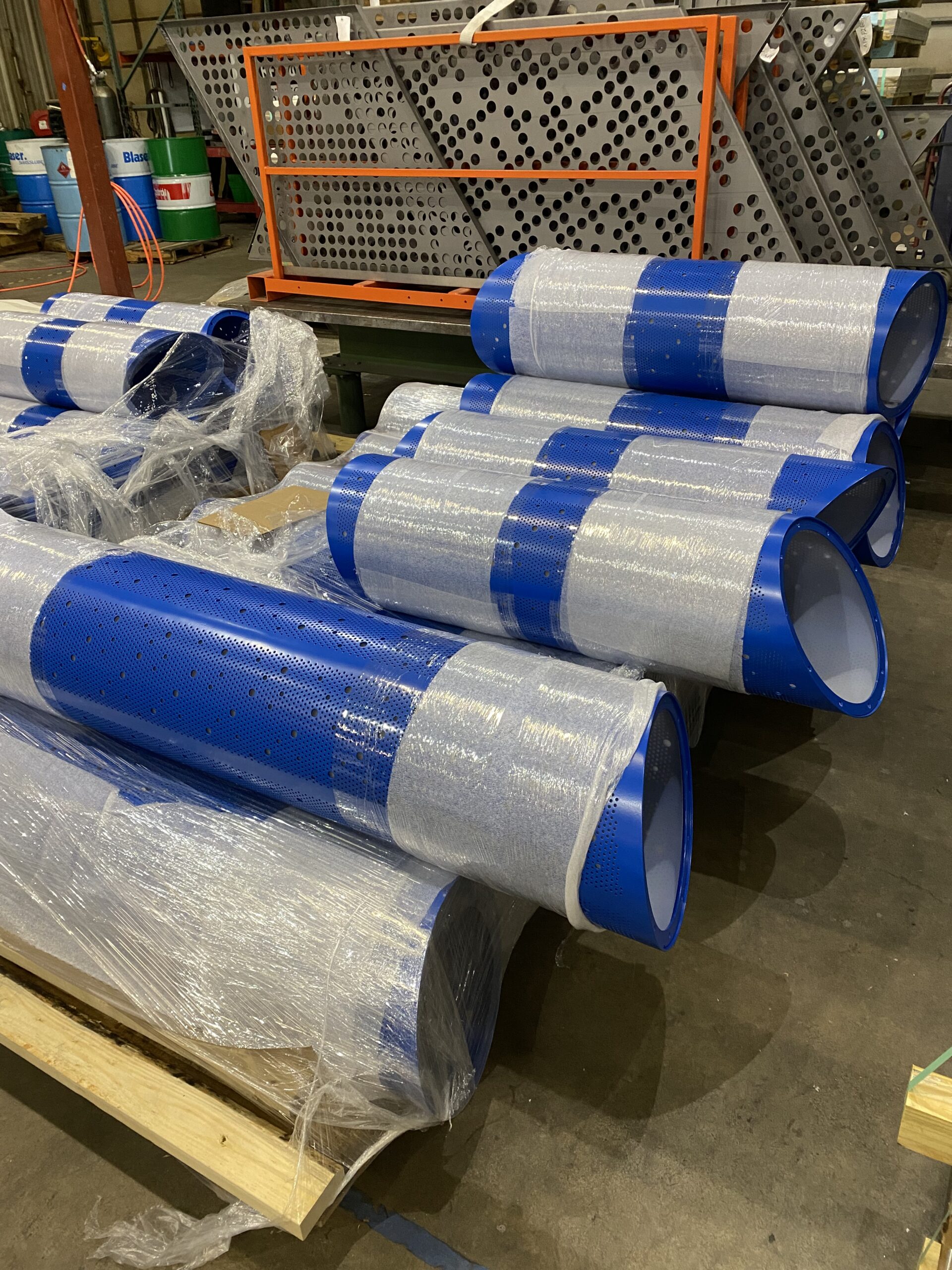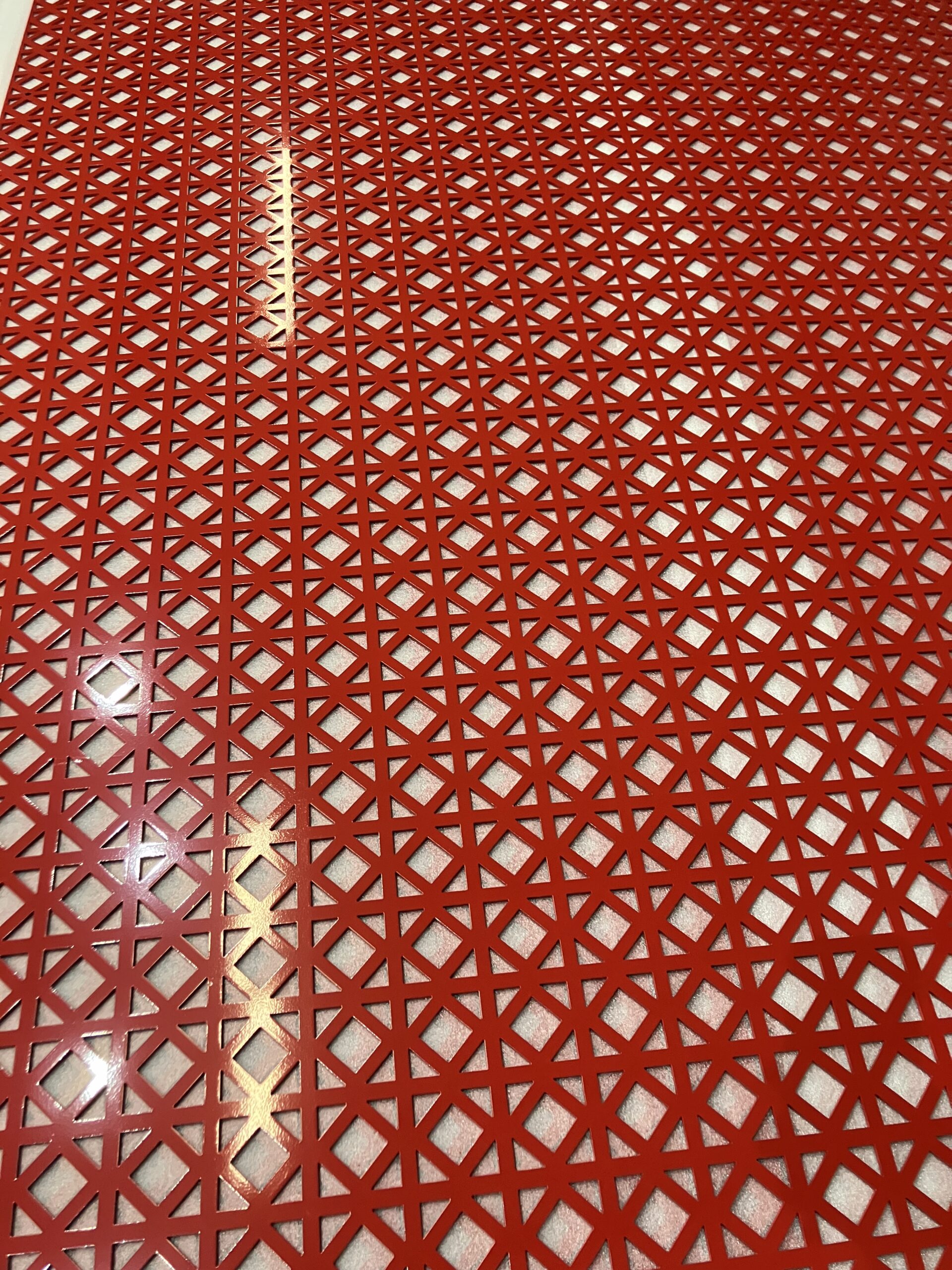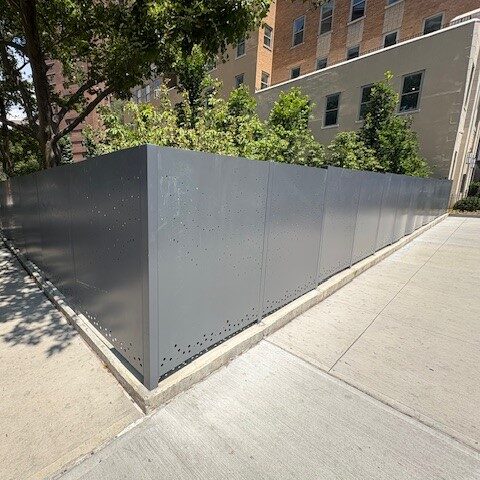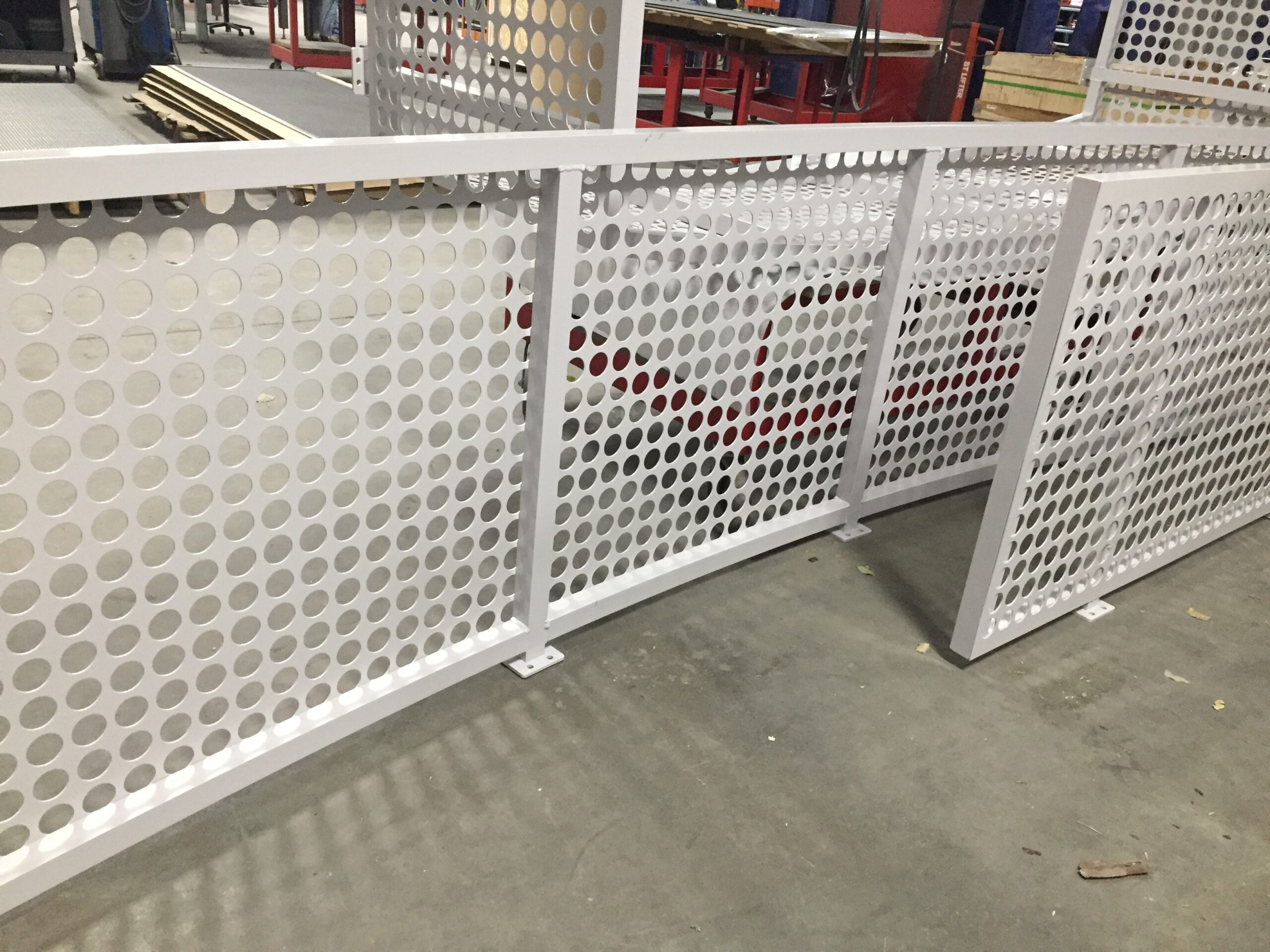
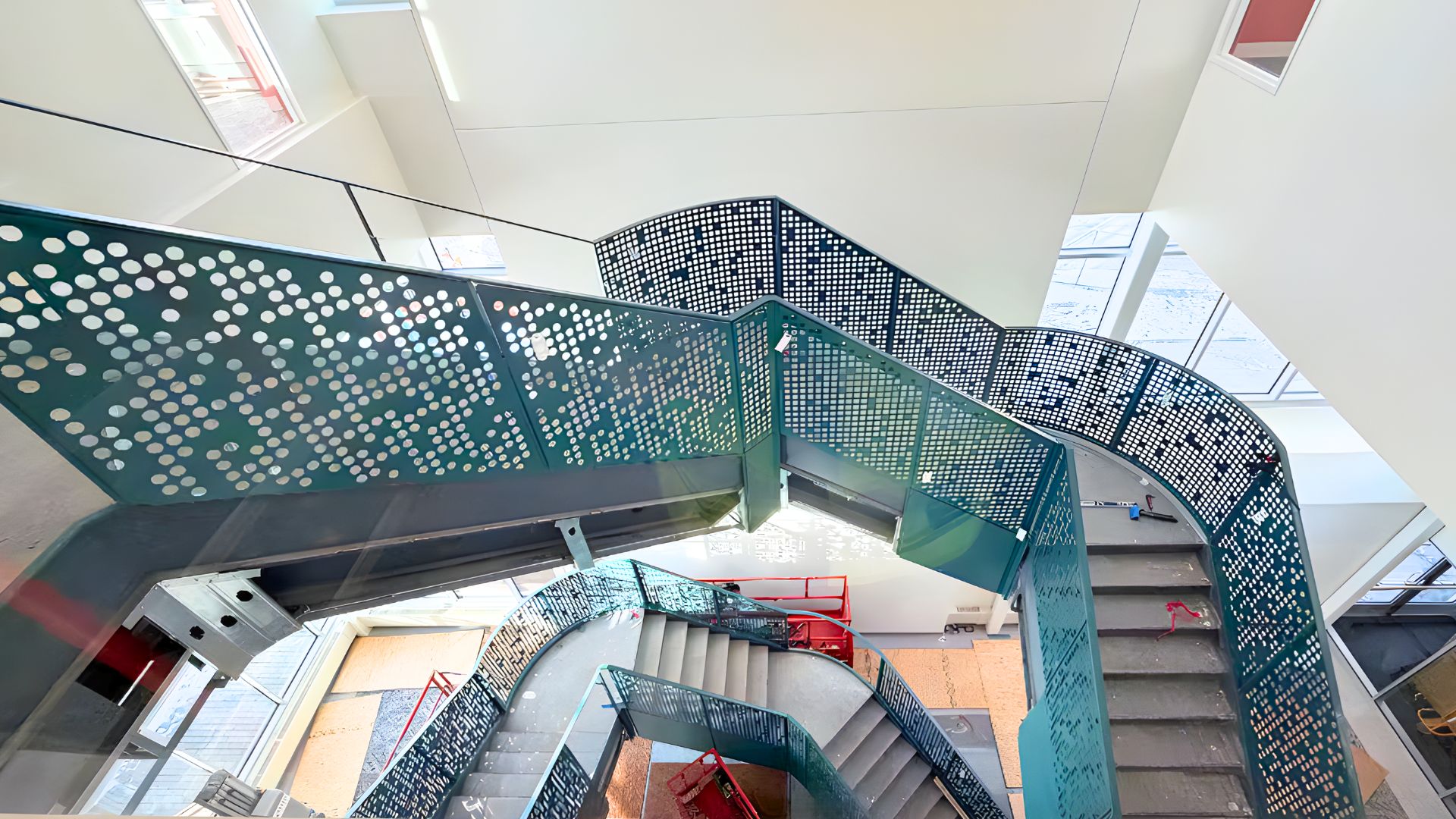
Architectural metal panels are fabricated sheet metal systems used as exterior or interior building components for cladding, screening, railings or other infill applications. Architects and contractors rely on StellarCraft’s expertise to fabricate custom metal panel systems for their designs.
Architectural Perforated Metals: How to choose between aluminum and stainless?
StellarCraft specializes in the precision fabrication of aluminum and stainless steel. These materials are valued for their corrosion resistance and long-term durability. Our team of certified welders, skilled machinists, experienced drafters, and project managers brings deep technical expertise to the fabrication process of these specialty metals. In addition to aluminum and stainless steel, we work with a broad range of materials, including weathering steel, copper, bronze, mild steel and more.
Aluminum
Aluminum is commonly specified for architectural metal panel systems where weight, cost, and long-term maintenance are key considerations. It offers a strong balance of structural performance and workability, which is why a large portion of StellarCraft projects are fabricated using aluminum sheet and plate.
In exterior applications, aluminum provides inherent corrosion resistance, but it is typically finished with either anodizing or a PVDF coating system to improve durability and control the final appearance. These finishes also help stabilize color performance in UV-exposed environments and provide an additional protective layer for long-term service life.
From a fabrication standpoint, aluminum is well-suited for forming operations such as bending, rolling, laser cutting, and CNC perforation. It maintains consistency through these processes, which allows for more complex geometries, patterned surfaces, and custom panel configurations without compromising material integrity.
Stainless Steel
Stainless steel is typically specified in architectural metal panels where structural strength, durability, and corrosion resistance are the primary design drivers. It performs well in high-exposure or high-traffic environments where long-term stability and surface integrity are critical. Compared to aluminum, stainless steel is denser, heavier, and generally carries a higher material and fabrication cost, which is often reflected in its selection for more demanding applications.
The material’s corrosion resistance is inherent due to its chromium content, which forms a passive protective layer on the surface. This makes it suitable for exterior applications, coastal environments, and areas where finish longevity is a priority.
From a finishing standpoint, stainless steel can be mechanically or surface-finished to achieve different performance and aesthetic outcomes. Common finishes include No. 2B mill finish for a standard industrial surface, No. 4 brushed finish for directional grain and reduced reflectivity, and No. 8 mirror finish for a highly polished, reflective appearance used in more refined architectural conditions. Surface treatments and processing methods are selected based on both visual requirements and environmental exposure conditions.
Types of Architectural Metal Panels
StellarCraft is able to fabricate a variety of infill materials for custom architectural metal panels. We primarily specialize in perforated metal panels.
Perforated & Laser-Cut Panels
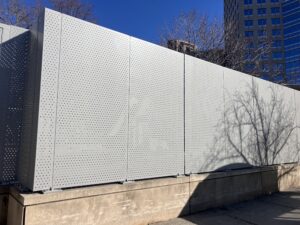
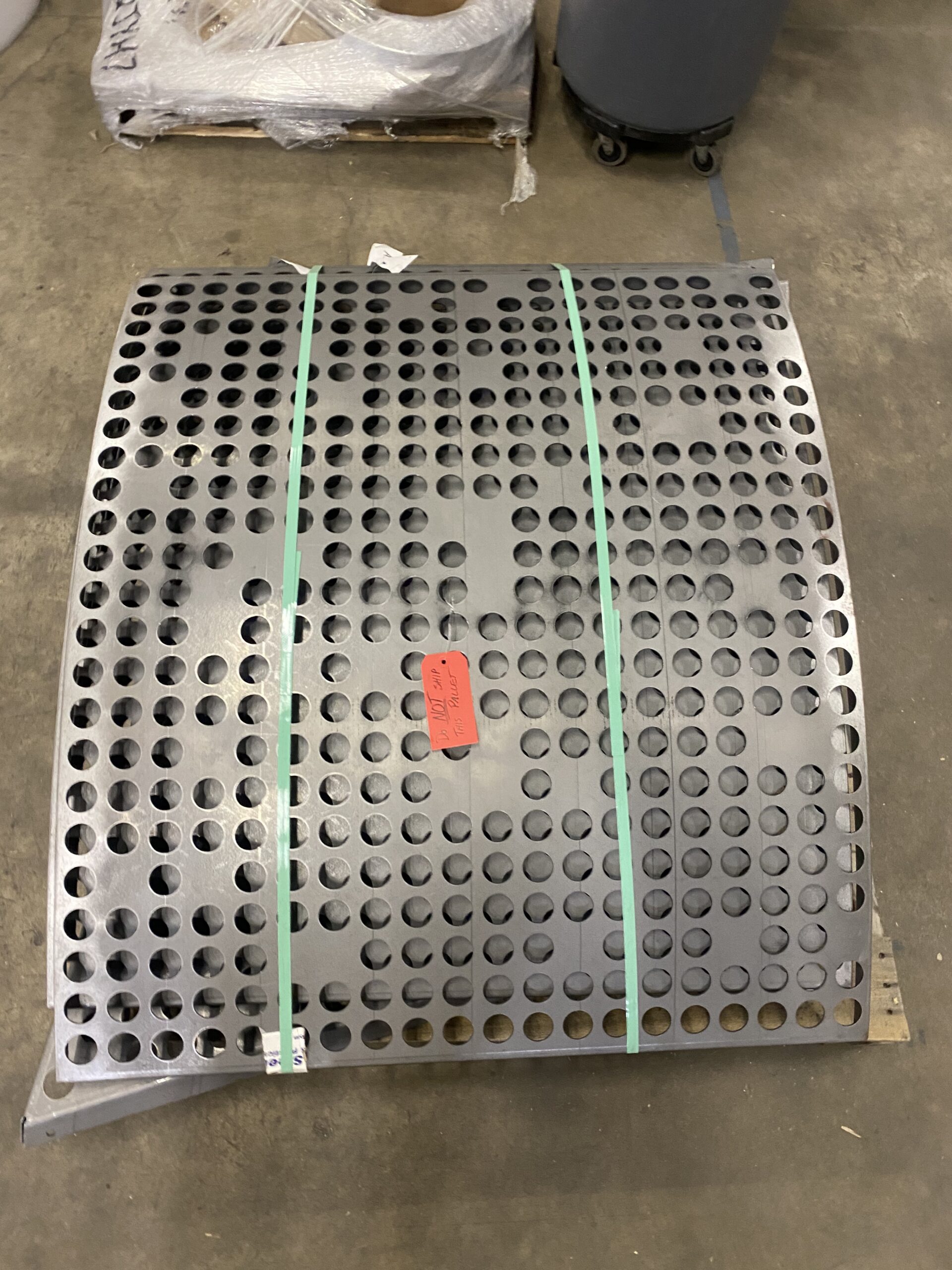
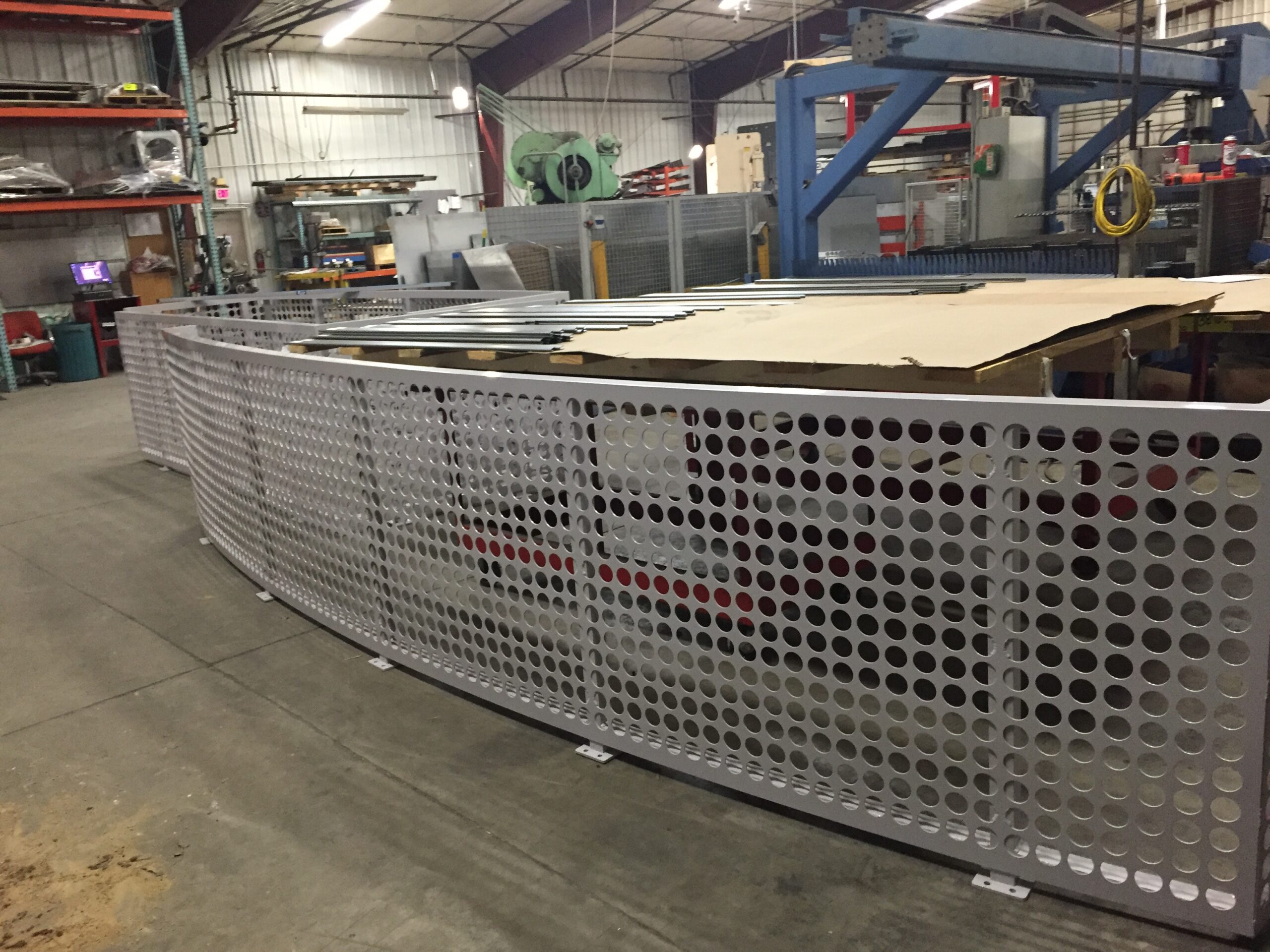
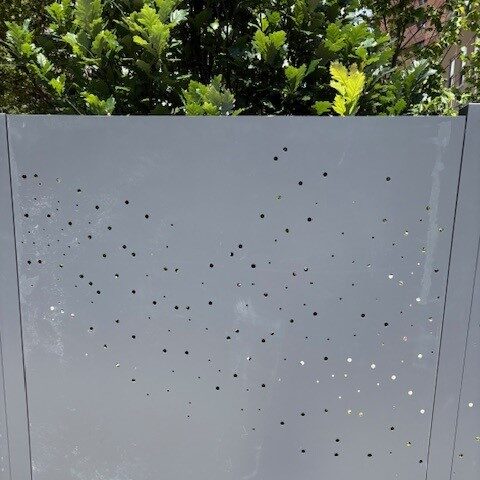
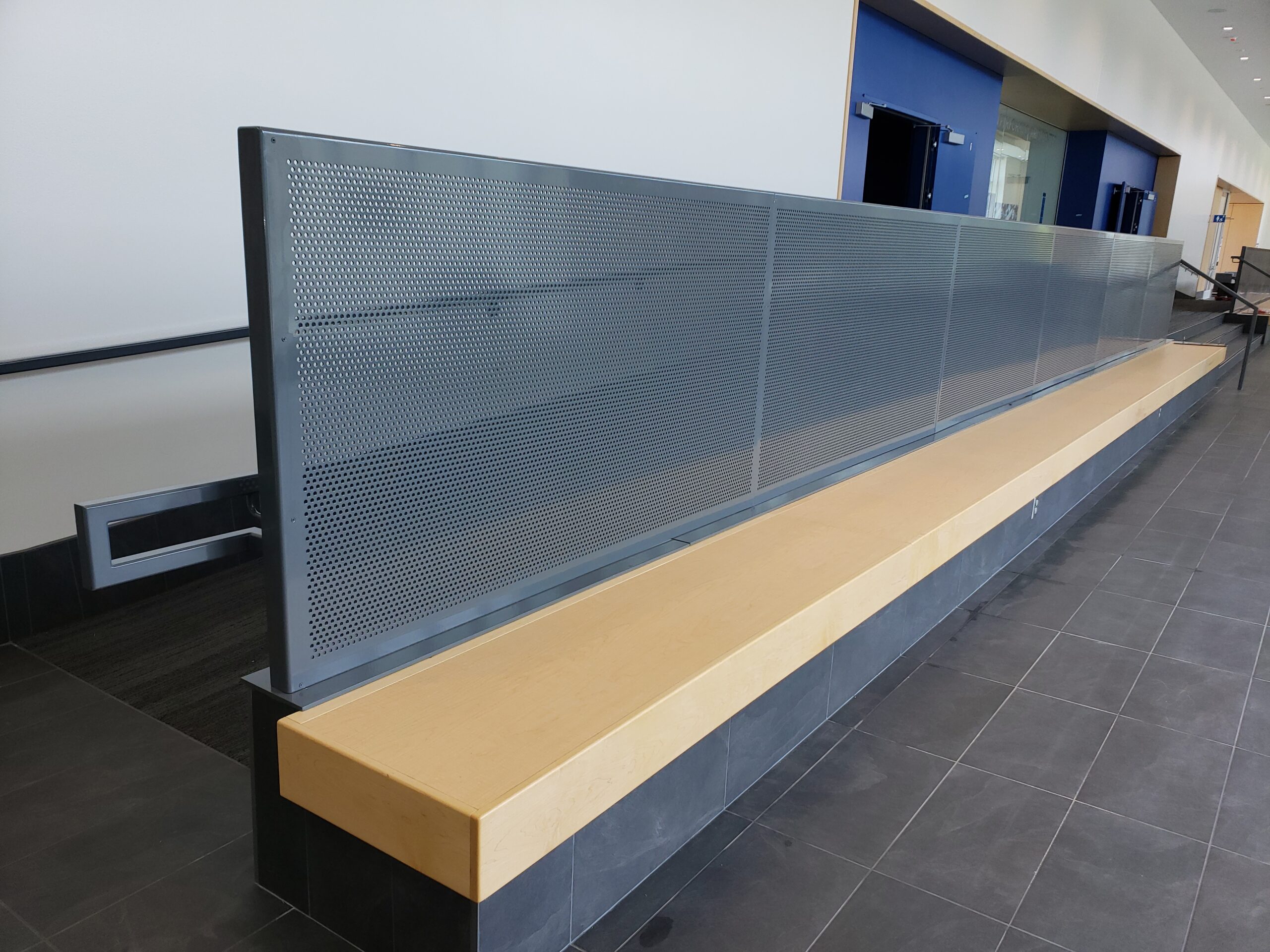
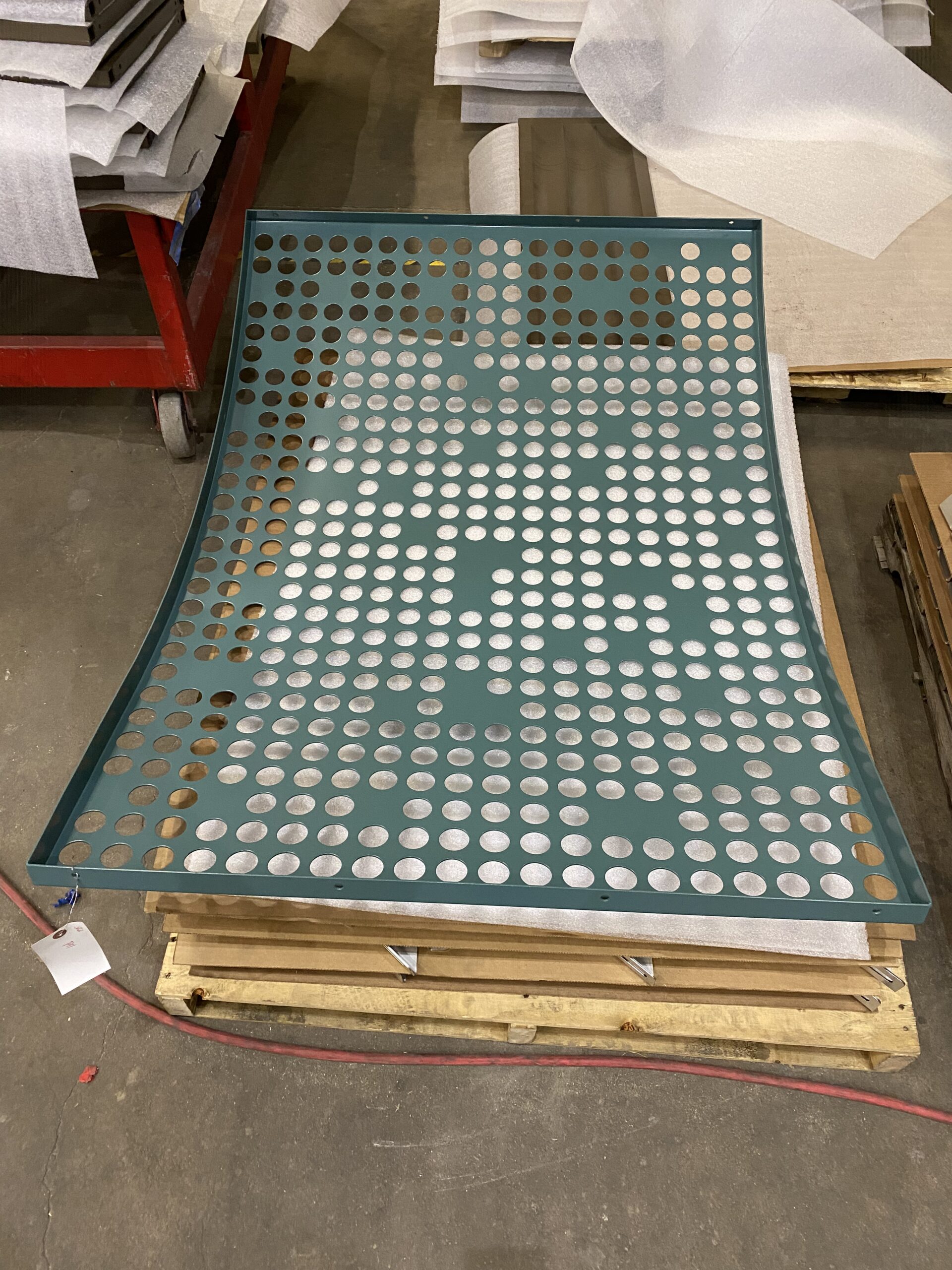
The patterns for perforated infill panels are customizable, enabling unique architectural expression. Fabrication is completed in-house using CNC punching and laser systems. Open area percentages typically range from 10% to 60%. Lower open areas increase visual density and structural rigidity, while higher open areas improve airflow, transparency, and solar filtering. The spacing between holes should not be greater than the material thickness to maintain structural integrity and prevent distortion during fabrication.
Solid Metal Panels
Solid metal infill panels are used where full visual or physical coverage is required. StellarCraft’s in-house cutting and forming capabilities allow these panels to be fabricated with custom angles and shapes.
Wire Mesh Panels
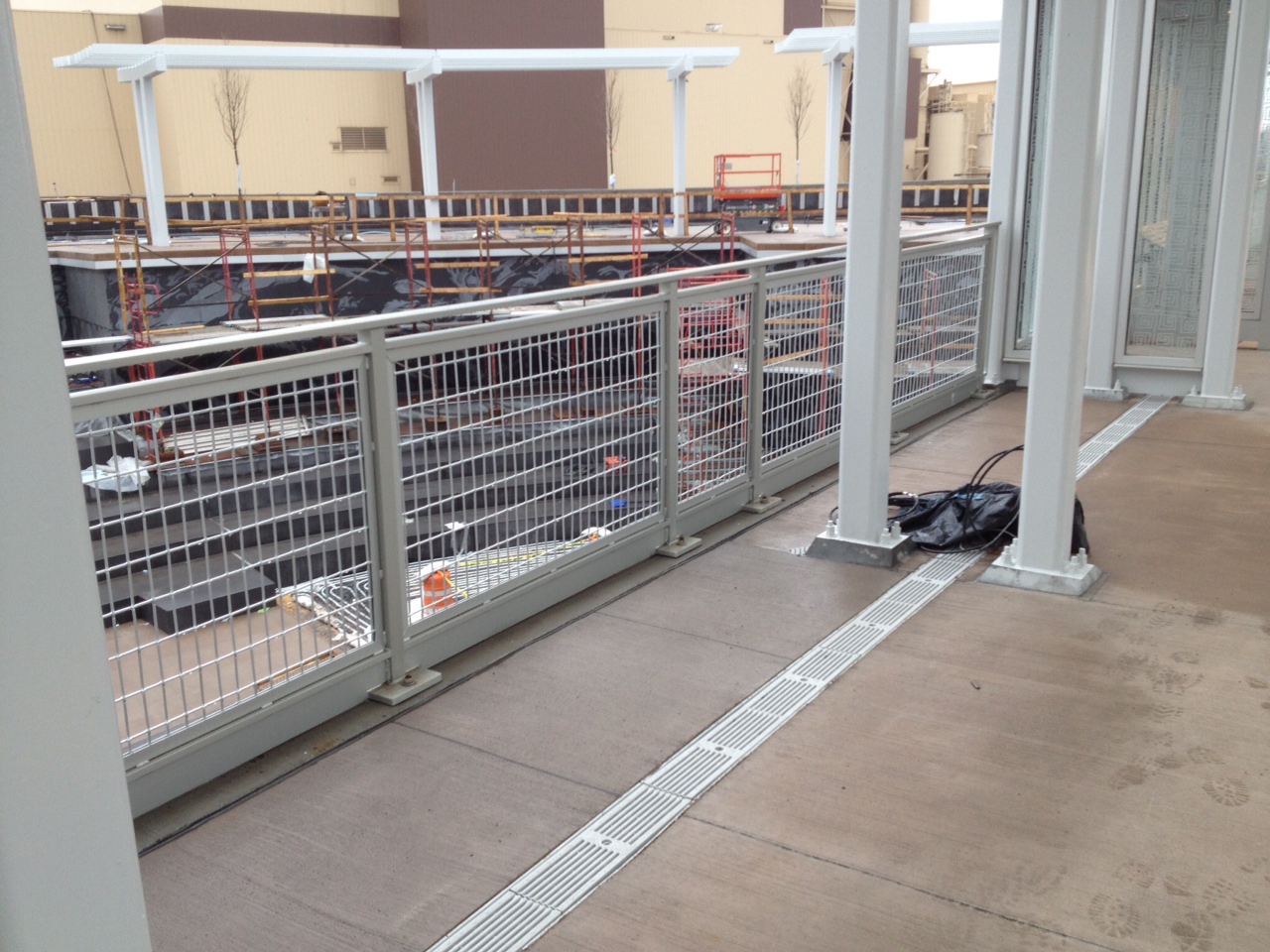
Wire mesh infill panels can be made with woven or welded configurations. The mesh is either tensioned within a perimeter frame or sandwiched between frame components. Frames are usually fabricated from metal profiles that match the surrounding system.
Design Collaboration & Fabrication Support: How early in the design process should I involve a metal panel fabricator?
Bringing a metal panel fabricator into the process early helps prevent the exact issues many architects run into later: misaligned dimensions, unclear attachment methods, impractical perforation patterns, or costly redesigns once construction documents are underway.
Early collaboration allows key decisions to be made when they’re still flexible. Things like panel sizing, joint layout, mounting systems, and material thickness can be aligned with both the design intent and real-world fabrication constraints. This is also when cost and constructability can be meaningfully influenced.
At StellarCraft, that early-stage involvement is exactly what our process is built around. We’ve seen firsthand how challenging it can be to take a conceptual metal feature and turn it into something buildable. That’s why we developed pre-engineered, customizable panel systems that remove uesswork upfront, while still giving architects room for creative design.
Our team works directly with architects and contractors during design to help define:
- Panel layout and modularization
- Perforation patterns and open area
- Material type and thickness
- Mounting systems and attachment details
- Fabrication requirements and tolerances
- Overall constructability and budget alignment
We support the process with downloadable Revit files, CAD details, specs, and technical drawings for each product on our website. As projects progress, we also provide shop drawings, BIM models, samples, and engineering calculations to carry that clarity through fabrication and installation.
Check out our case study page to see our collaborative design process in action!
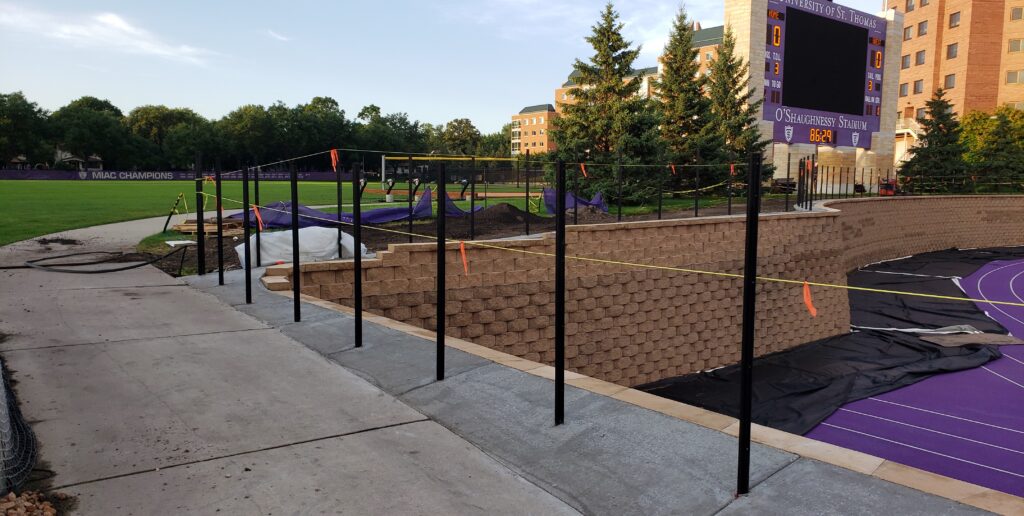
- St. Thomas- Perforated Metal Fence
- Nobel Park & Ride- Perforated Metal Fence
- Ecolab- Perforated Metal Screen
- Abbott Hospital- Perforated Metal Screen
Key Applications of Architectural Perforated Metals
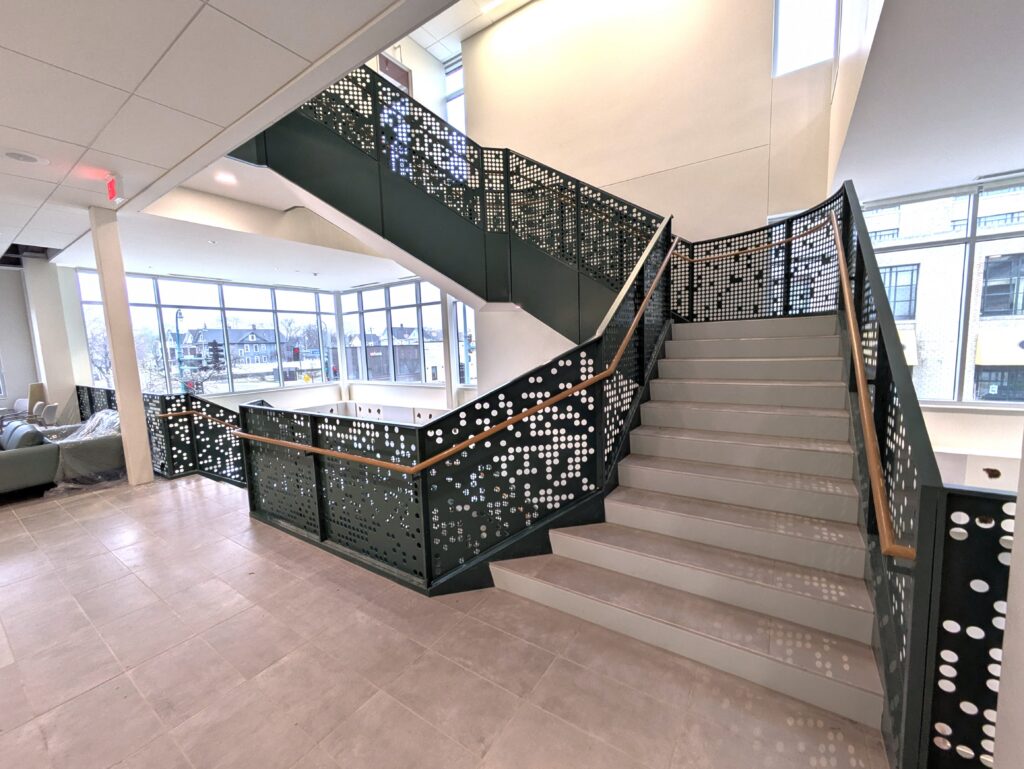
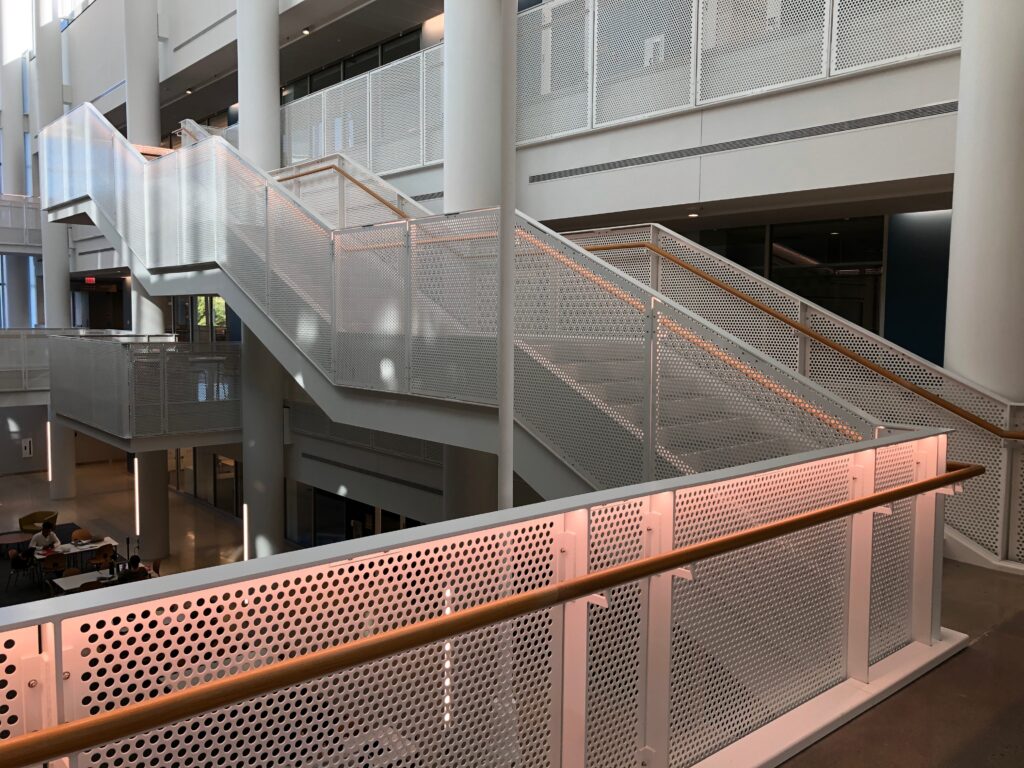
Railings and Guardrails
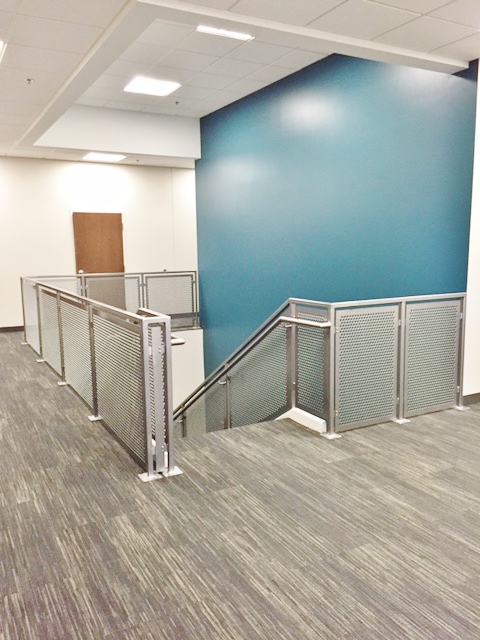
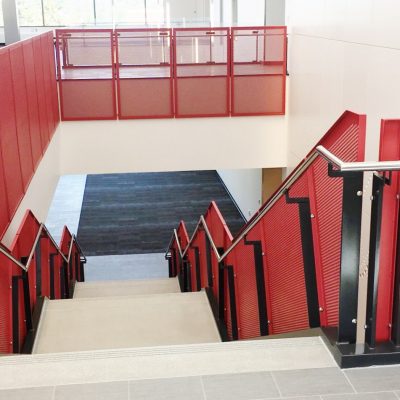
Used as infill panels for guardrails on balconies, stairs, and walkways, offering safety with open visibility and design flexibility.
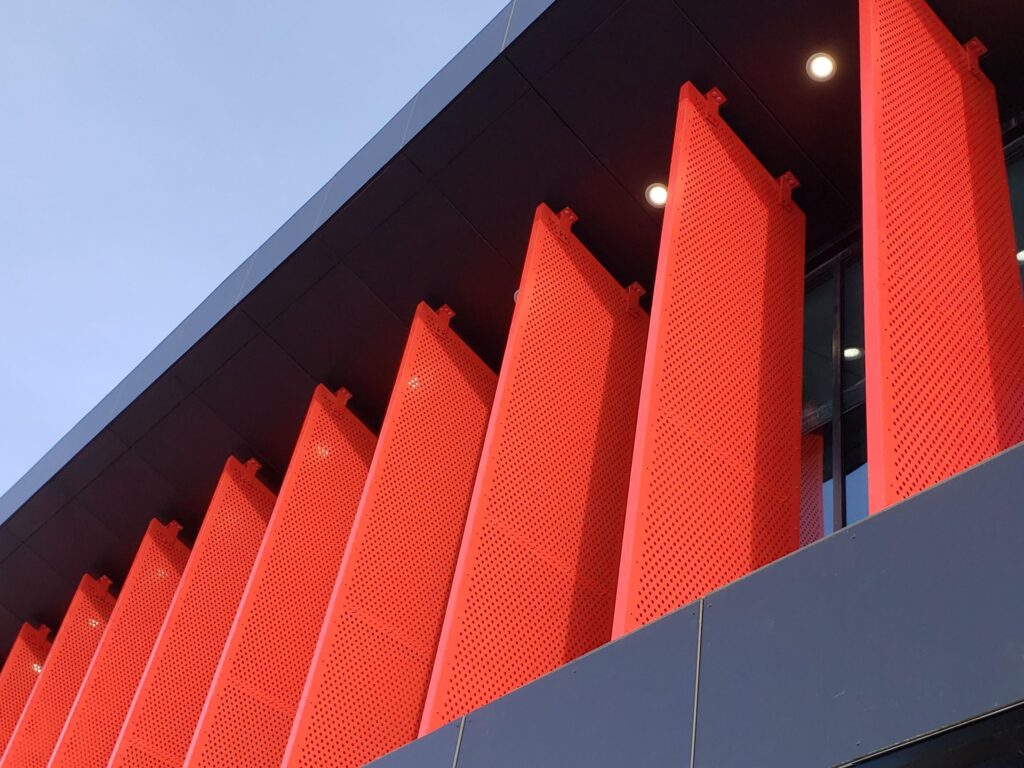
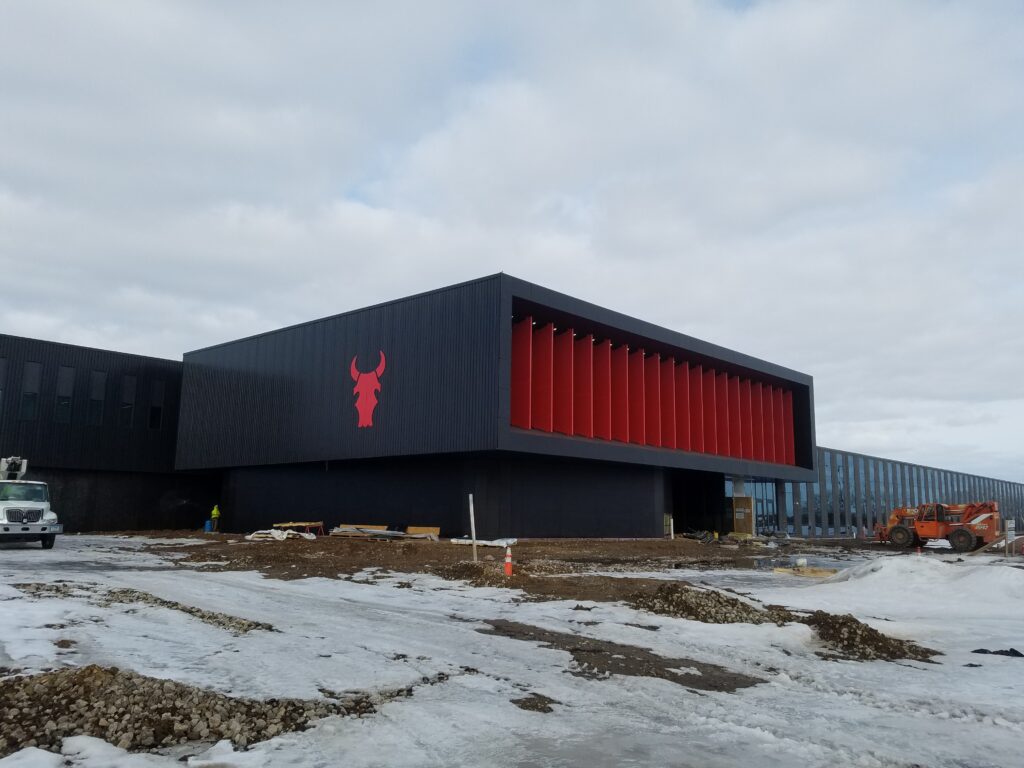
Sunshades
Filter light and airflow while creating dynamic interior and exterior patterns.
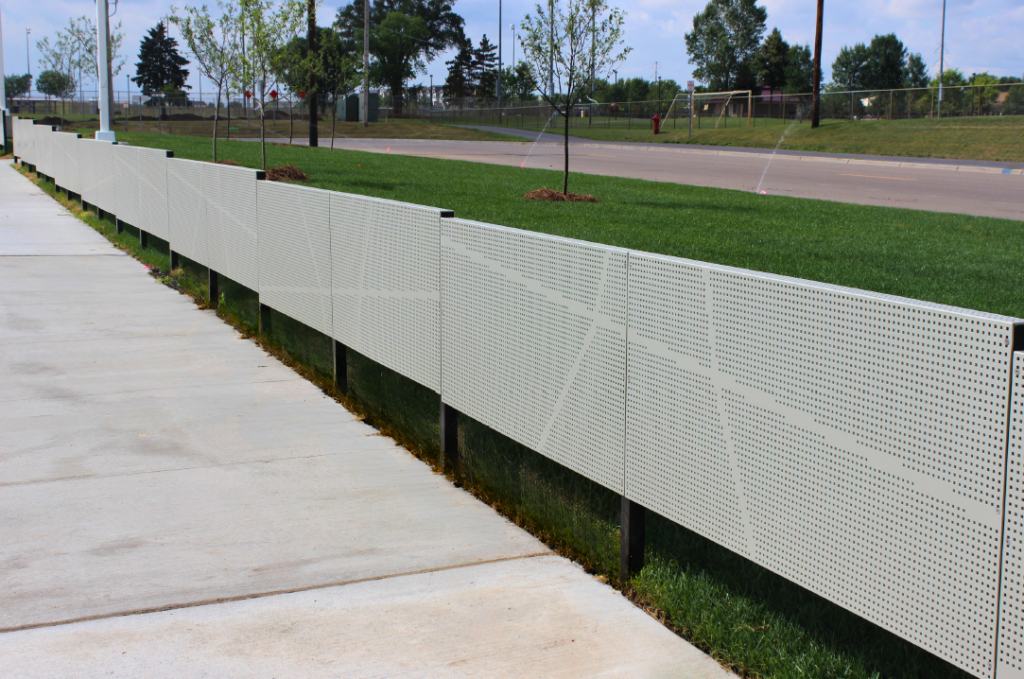
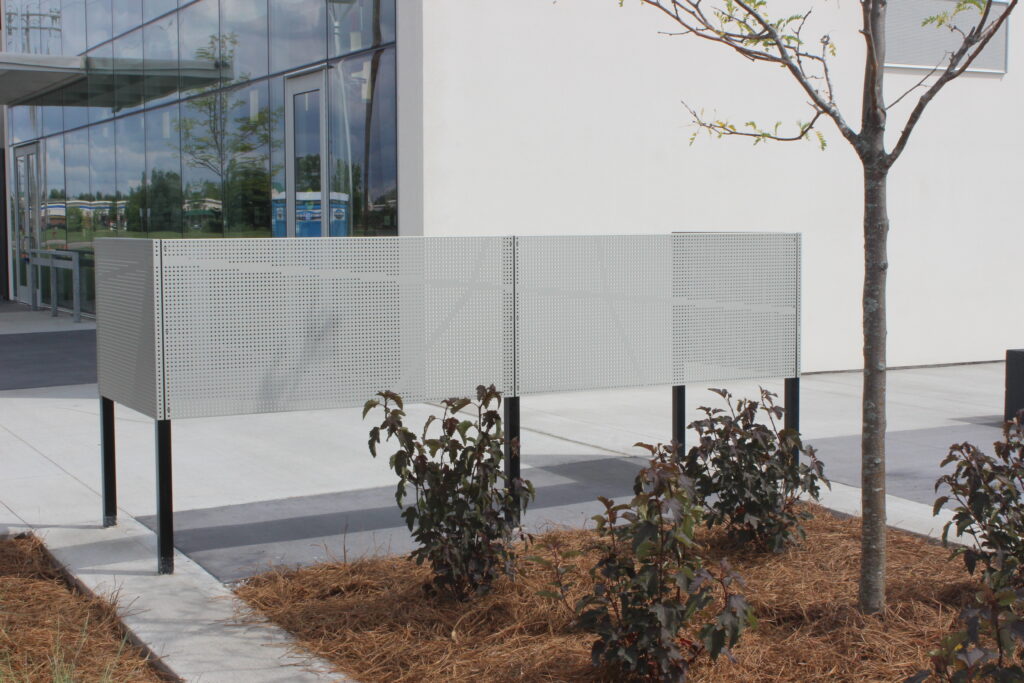
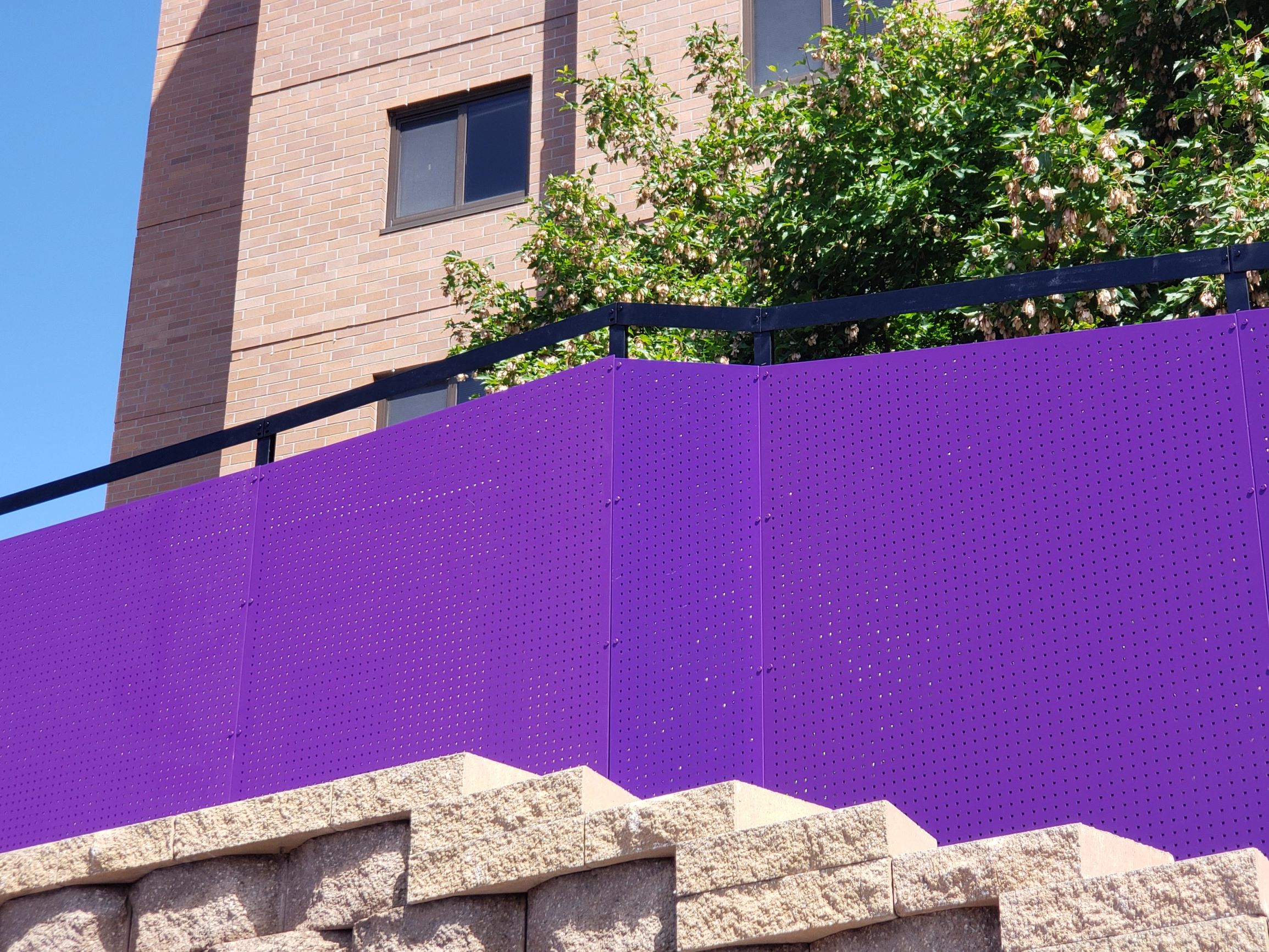
Fencing
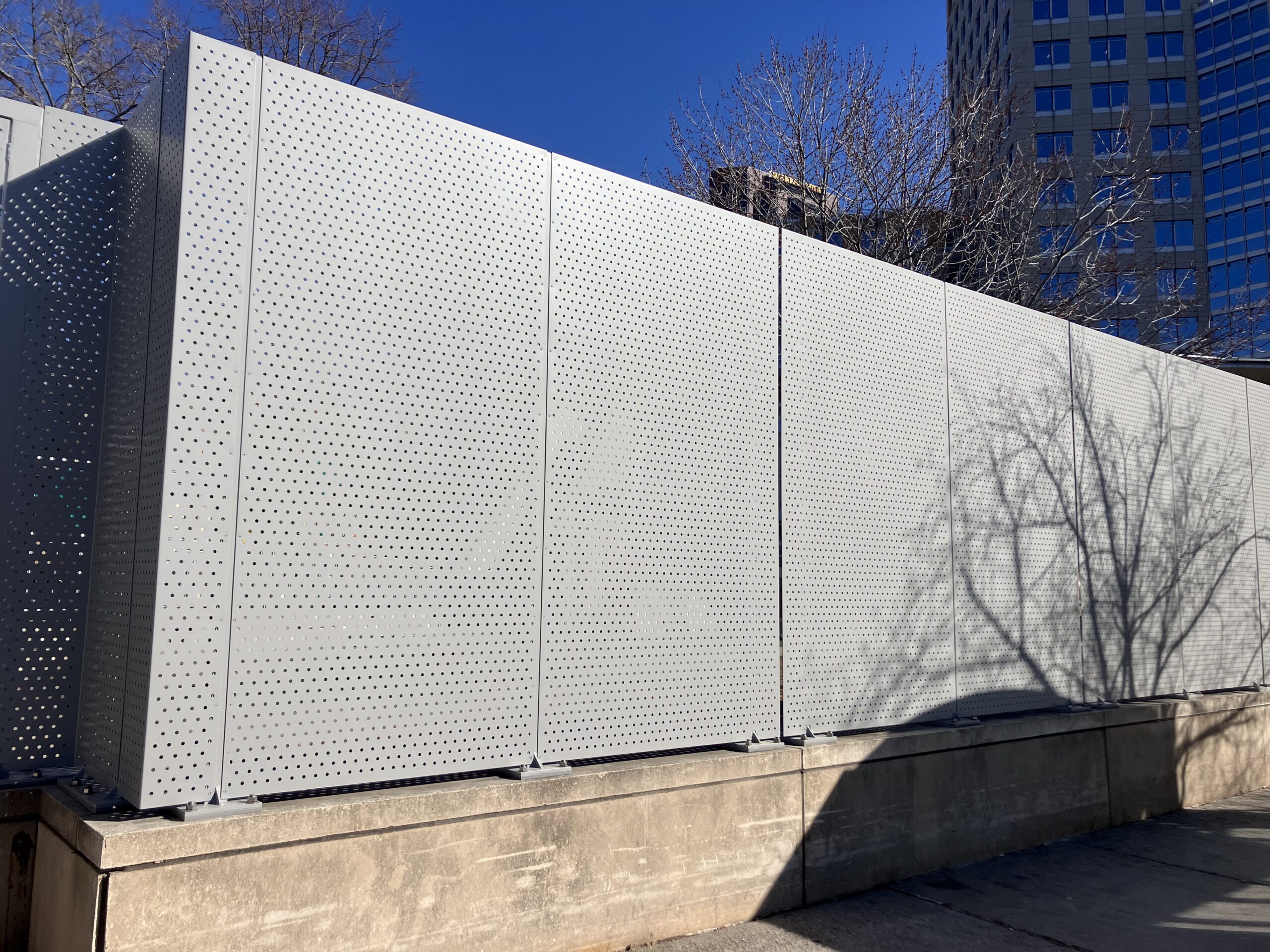
Provides durable, low-maintenance privacy or boundary solutions for public and private spaces.
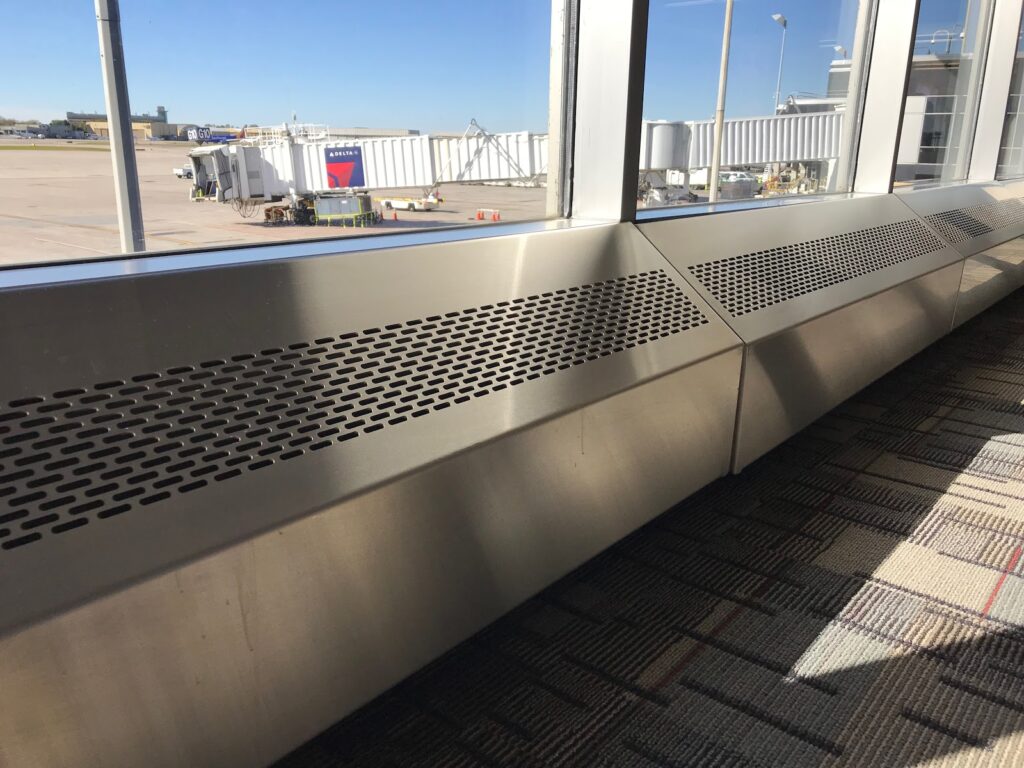
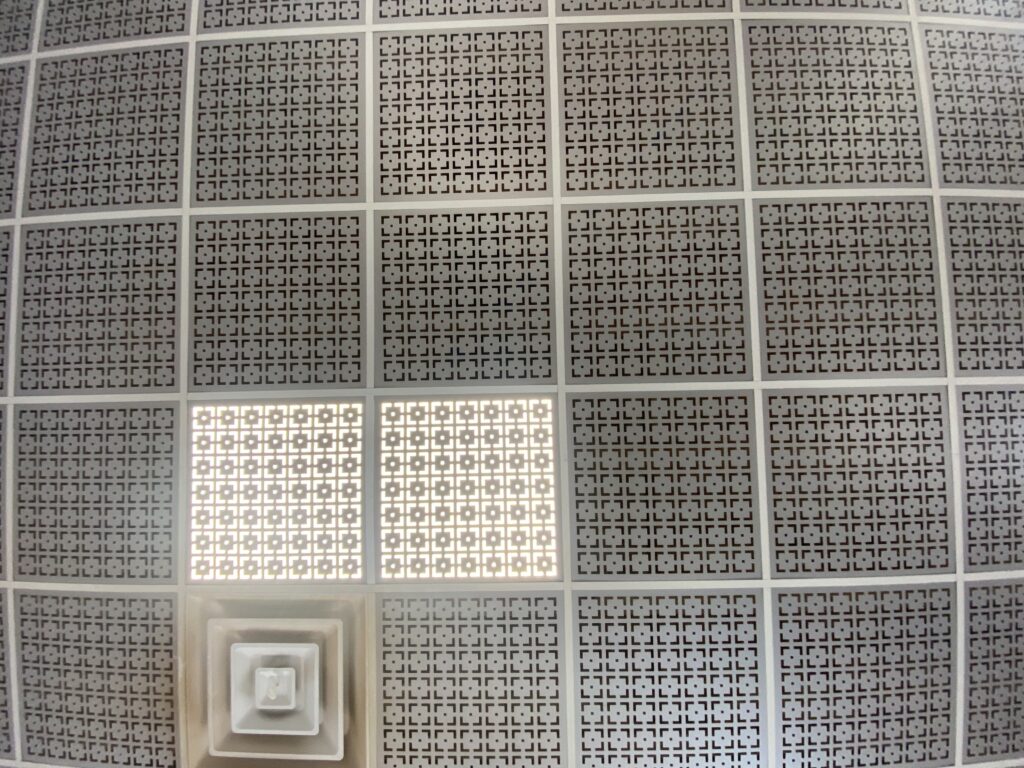
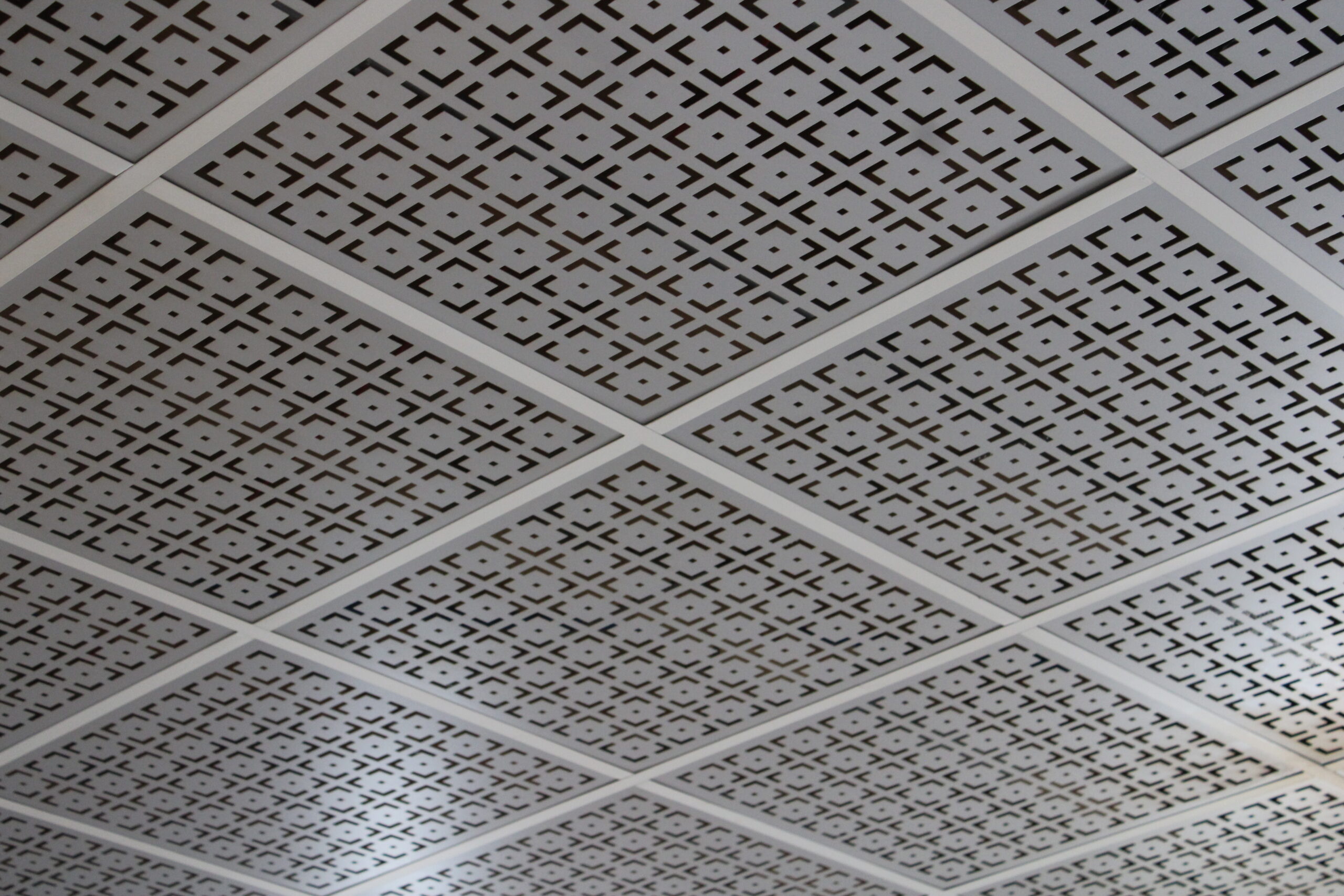
Radiator Covers & Ceiling Panels
Functional architectural solutions for light, air and heating units.
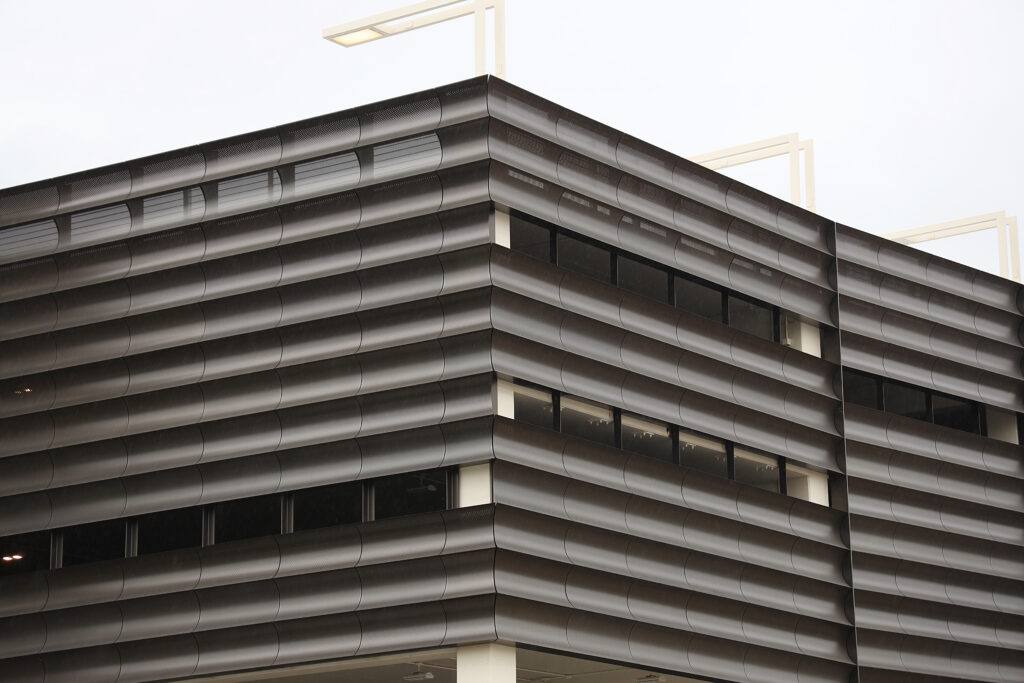
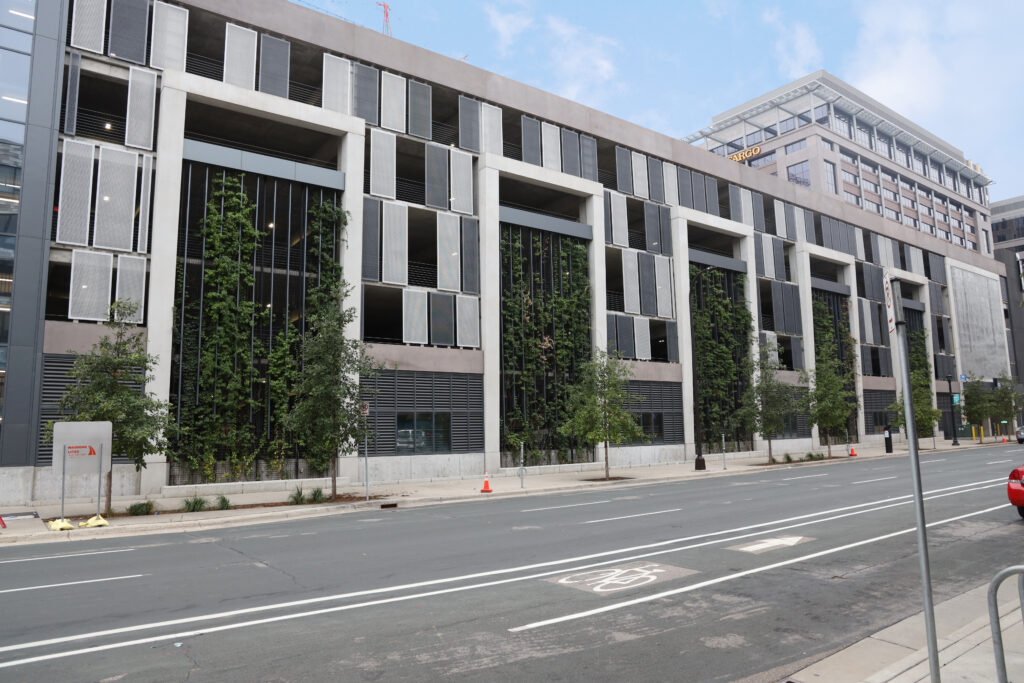
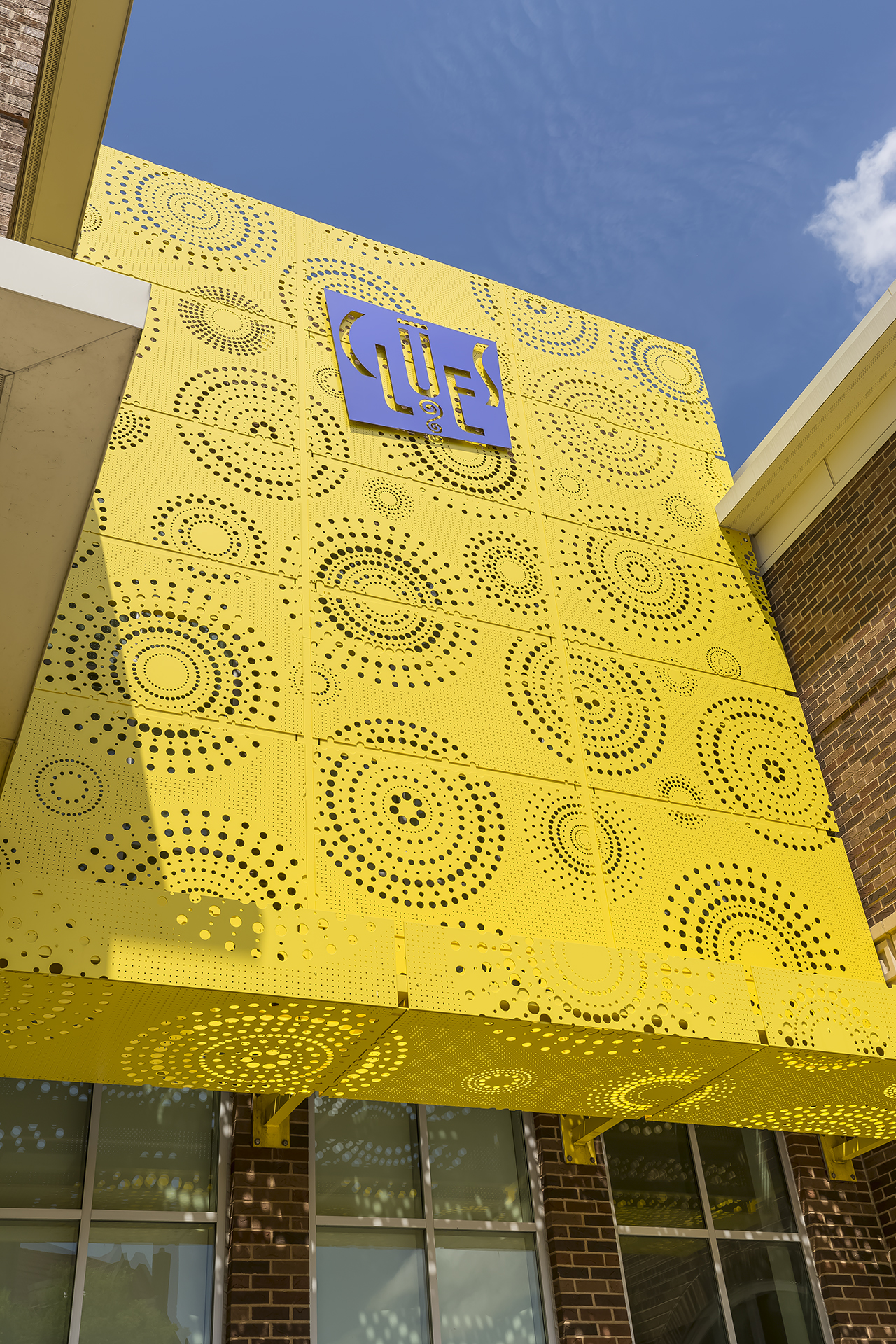
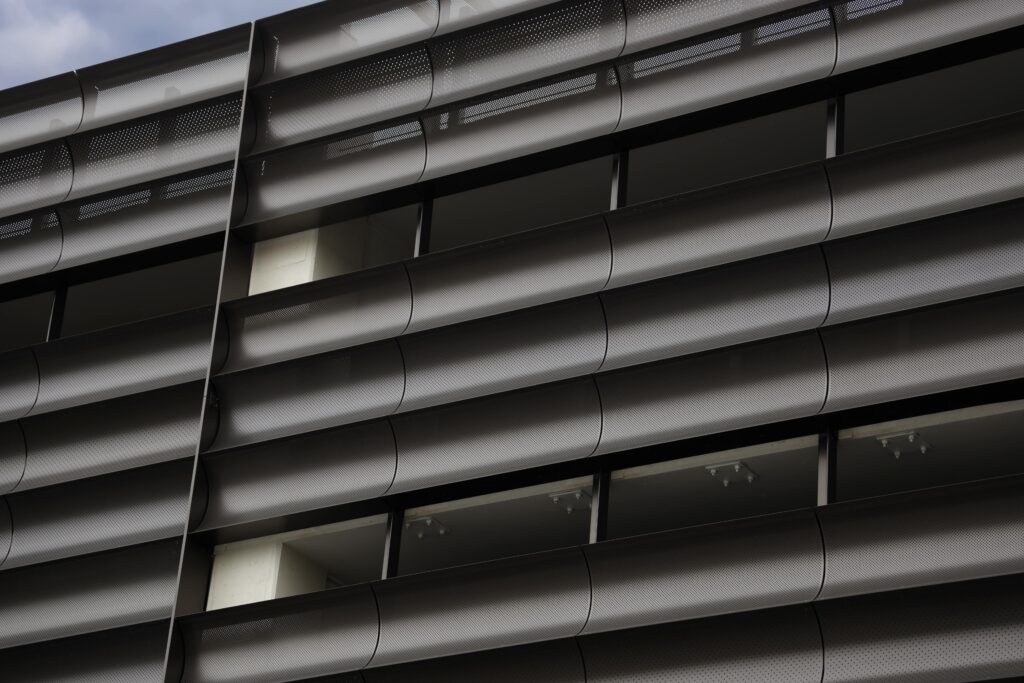
Facades
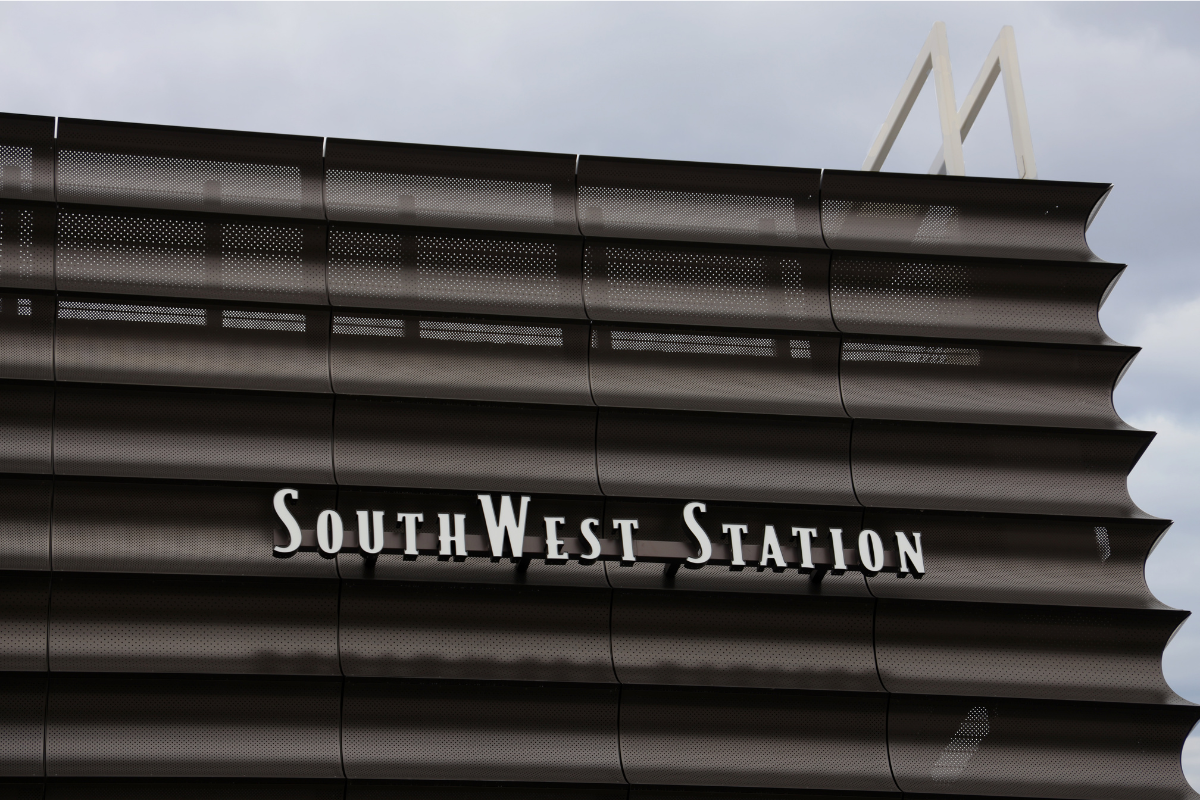
Common exterior cladding solution for parking garages and building wall panels.
Metal Panel Performance Considerations
Our pre-engineered products are designed based on project requirements and include:
- Weight & Wind load resistance: Engineered per project in accordance with applicable building codes (e.g., IBC). When used as guardrails, metal panels adhere to 200lbs of concentrated load applied in any direction and 50lbs per linear foot uniform load requirements.
- Panel size: The maximum material width should not exceed 60” and the maximum material length should not exceed 144”.
- Material thickness: In general fabrication material thickness should not exceed 0.314” (8mm).
- Deflection limits: Typically, panels deflection limits are designed to L/60 or as specified by project criteria. Deflection of panel framing members must be L/175 max.
- Fabrication and Installation Tolerances: Metal panel systems are typically fabricated with allowances for field variation, including ±1/8” to ±1/4” depending on panel size and mounting method.
- Thermal movement: Thermal expansion and contraction through attachment design and panel segmentation is accommodated.
- Ventilation: Open area of perforated and mesh panels can be tailored to airflow requirements. Perforation hole size should not exceed material thickness.
- Durability: Material and finish selections aligned with environmental exposure conditions.
Attachment Systems: How are metal panels attached to different substructures like steel or concrete?
Metal panels are typically attached to substructures using engineered mounting systems that are selected based on the building’s structural material and project requirements. For structural steel, panels are commonly secured using welded or mechanically fastened brackets that connect directly to steel framing members. With cast-in-place or precast concrete, embedded anchors, inserts, or surface-mounted anchor systems are used to create reliable attachment points while accommodating the rigidity of the substrate. Aluminum framing systems often allow for more modular attachment methods, where panels are fixed to secondary framing members designed specifically for alignment and load distribution.
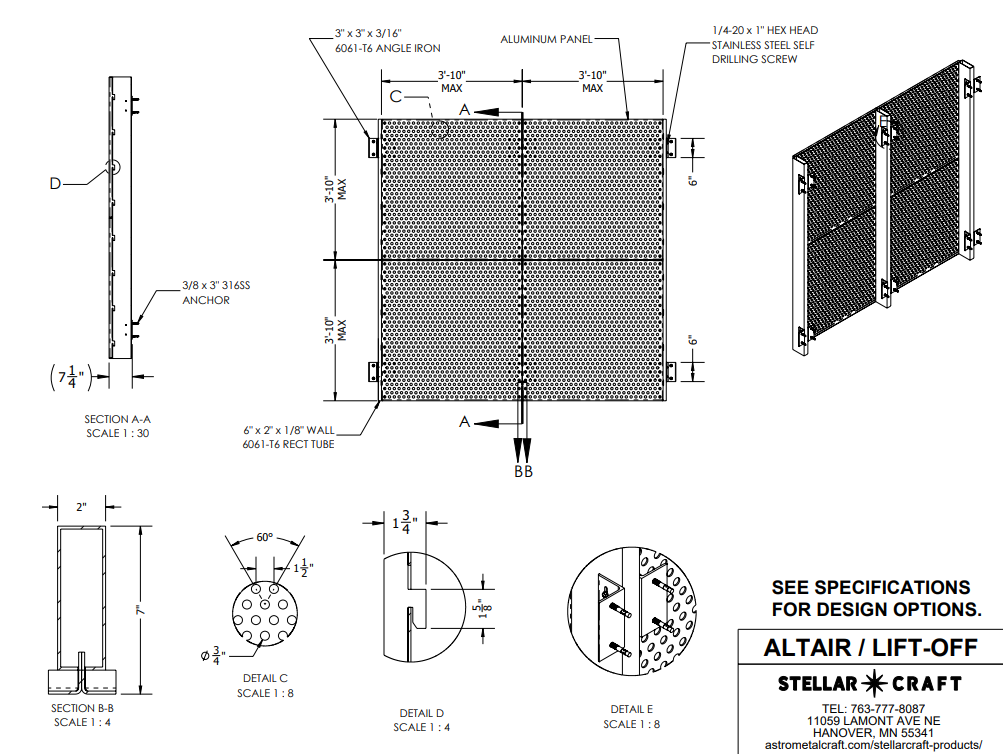
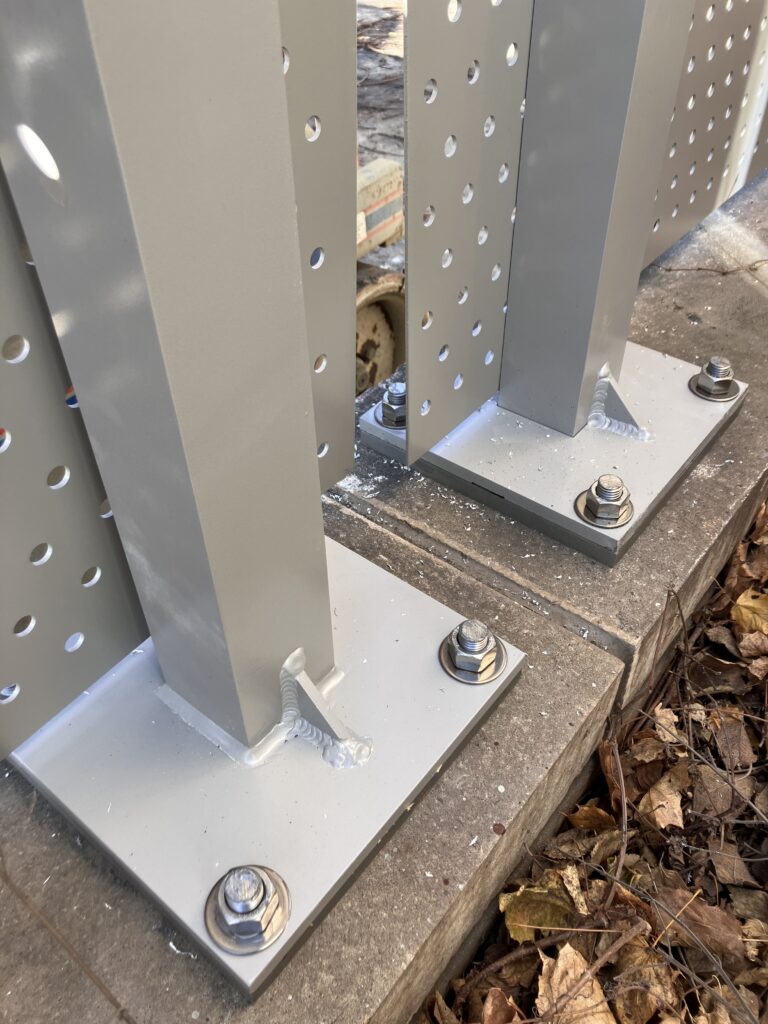
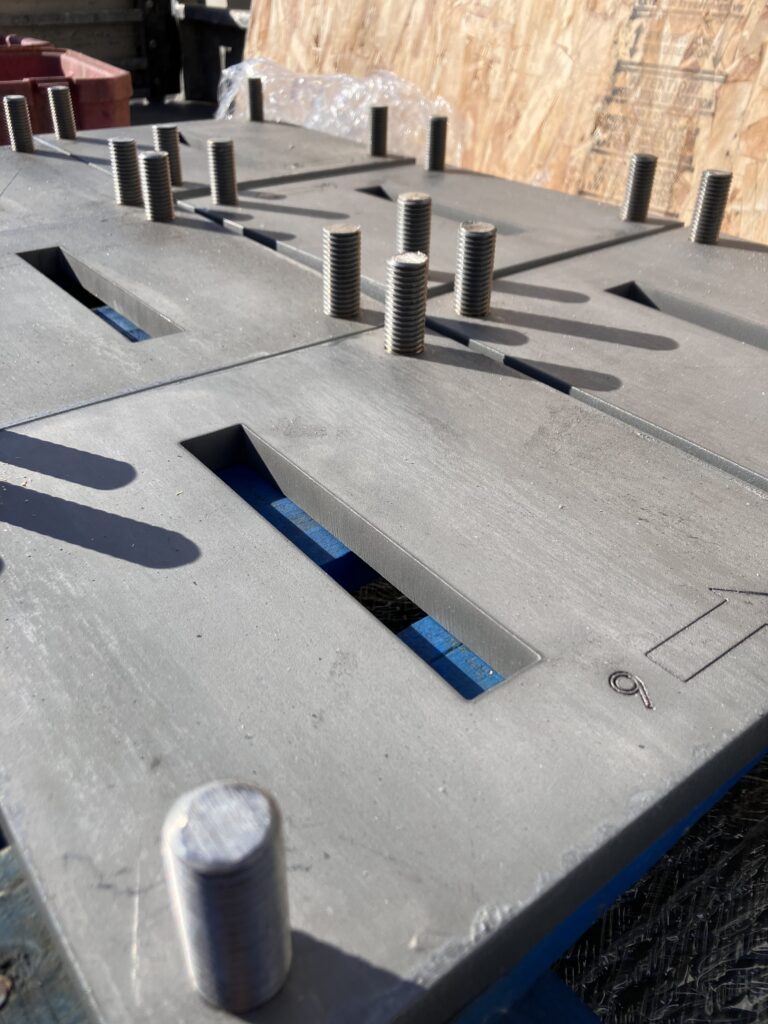
Across all substrate types, the attachment approach can be tailored using concealed or exposed fastener systems. Concealed fasteners are typically used when a clean architectural finish is required. Exposed systems are more common in industrial or high-access environments where serviceability is a priority. Stand-off brackets are frequently used to create a ventilated rain-screen cavity, improve drainage, and allow for thermal movement behind the panels. Adjustable connection systems are also incorporated to accommodate field tolerances, ensuring precise alignment during installation and reducing the need for on-site modifications. Together, these options allow metal panel systems to integrate cleanly and securely with a wide range of structural conditions.
Finishing & Installation: What should be considered during finishing and installation to ensure proper performance of metal panels?
Architectural metal panels are available in a range of finishes, each offering different aesthetic qualities and performance characteristics depending on the project’s environmental and design requirements. PVDF and powder coatings on aluminum are commonly used for exterior applications due to their strong color retention, UV resistance, and long-term durability. Anodized aluminum provides a metallic, corrosion-resistant finish with excellent abrasion resistance and a refined. Anodizing offers a more limited color range compared to powered or wet paint coatings.
Carbon steel is highly corrodable and not recommended for outdoor applications when unfinished. Galvanizing the carbon steel and either leaving it exposed or paired with a painted finish provides valuable corrosion protection to the metal. Weathering steel is often specified for its natural patina, which forms a stable rust-like surface layer that protects the material underneath while delivering a distinctive architectural look. Stainless steel with brushed finishes is valued for its clean, directional texture and high corrosion resistance, making it ideal for modern façades and high-traffic areas. Through coordination with trusted finishing and installation partners, these systems are delivered as fully integrated solutions to ensure both performance and visual consistency.
When finishing metal panels with powder coating or liquid paint, AAMA 2604 or 2605–compliant coatings are recommended.
What is the difference between AAMA 2604 and 2605 coatings?
Criteria
Typical Resin %
South Flordia Exposure Test
Color Retention
Gloss Retention
Chalk Resistance
UV Resistance
Corrosion Resistance
Cost
Paint Manufacture Warranty
AAMA 2604
50% fluoropolymer (PVDF)
5 years
Good
≥ 30% after 5 years
Moderate to high
Good for moderate climates
Strong
more cost effective
Up to 10 years
AAMA 2605
70% fluoropolymer (PVDF)
10 years
Excellent
≥ 50% after 10 years
Superior (≥ rating of 8)
Exceptional for harsh climates
Highest
Higher upfront cost
Up to 20 years
National Installation Team
At StellarCraft, our involvement doesn’t end once fabrication is complete. Our national installation team provides support to ensure architectural metal panels perform as intended over time. Key considerations include accurate substrate preparation, correct alignment and leveling of panels, and allowing for thermal expansion and contraction through properly designed joints. Installation must also account for the specified attachment systems and ensure all fasteners and brackets are installed to the correct tolerances. Equally important is verifying that moisture management details, such as flashings, drainage paths, and air gaps, are correctly integrated to prevent water infiltration and corrosion or staining issues.
Long-term performance depends heavily on both correct installation and routine maintenance practices. Architectural metal panels are generally low-maintenance, but they can be cleaned periodically using mild soap and water to remove dirt, pollutants, and environmental buildup. Harsh chemicals, abrasive cleaners, or high-pressure washing should be avoided as they can damage finishes. Regular inspections can also be conducted to check for sealant wear, fastener integrity, and any surface damage, allowing small issues to be addressed before they affect performance or appearance.
Ready to implement perforated panels into your next design? Connect with our team today!