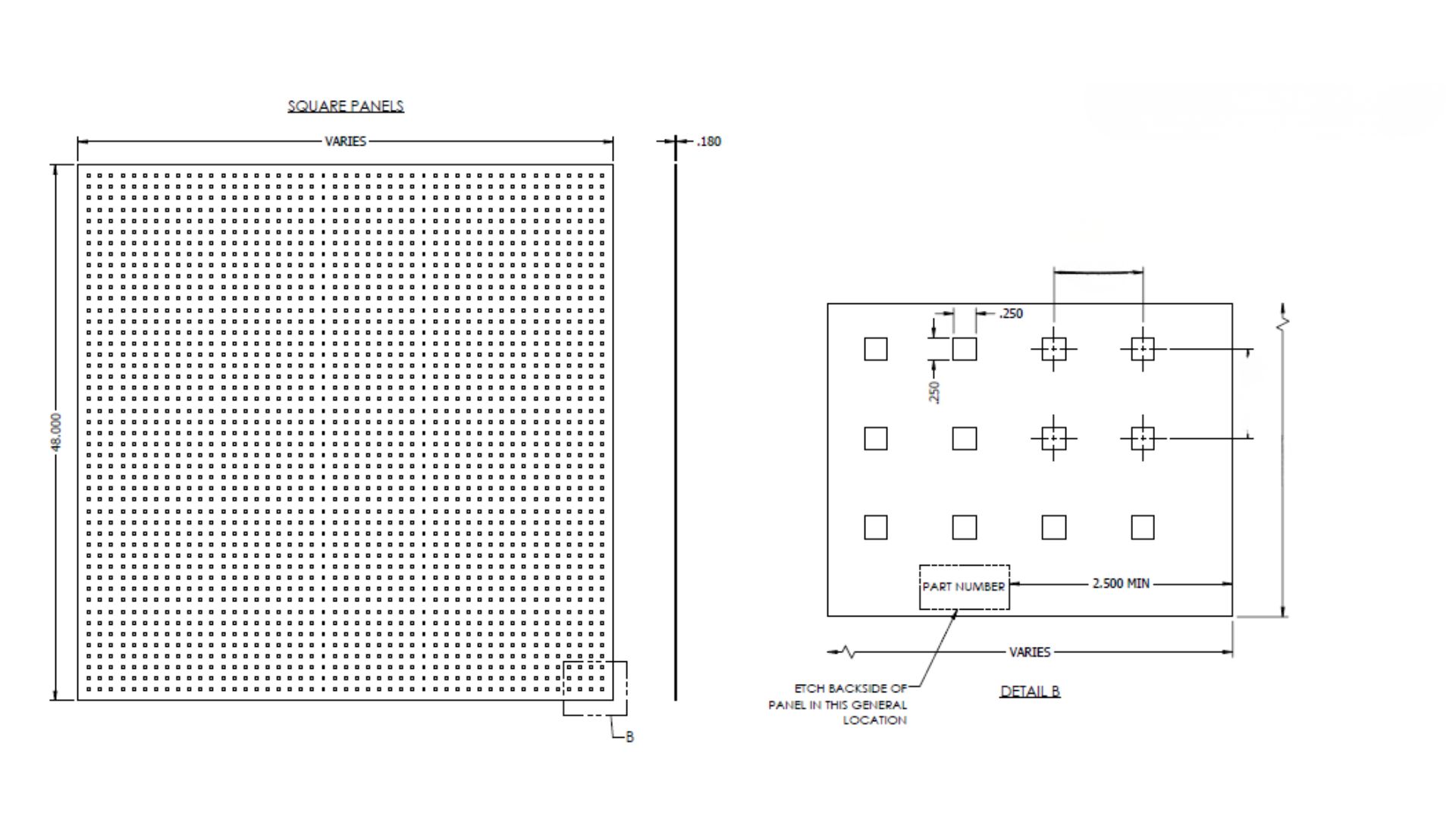
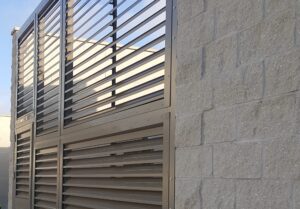
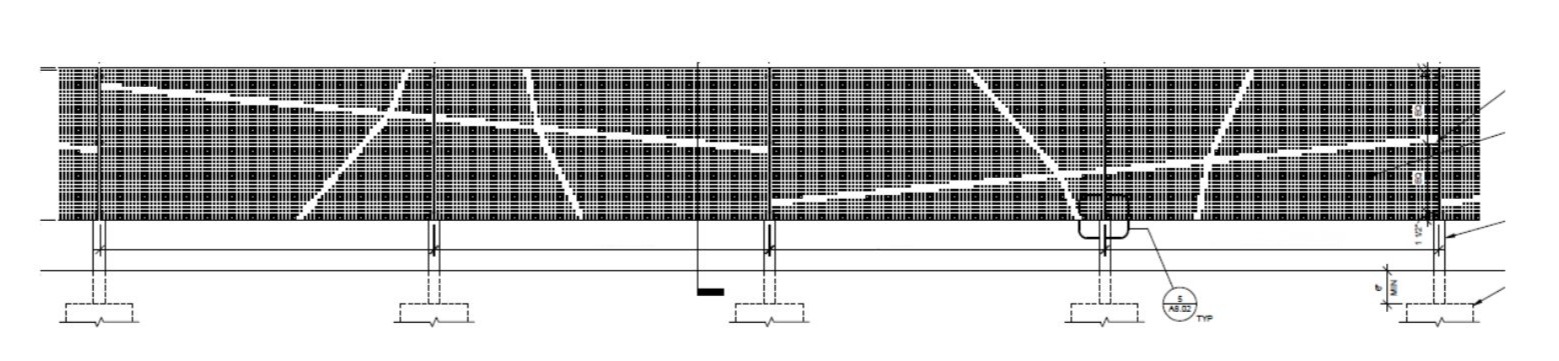
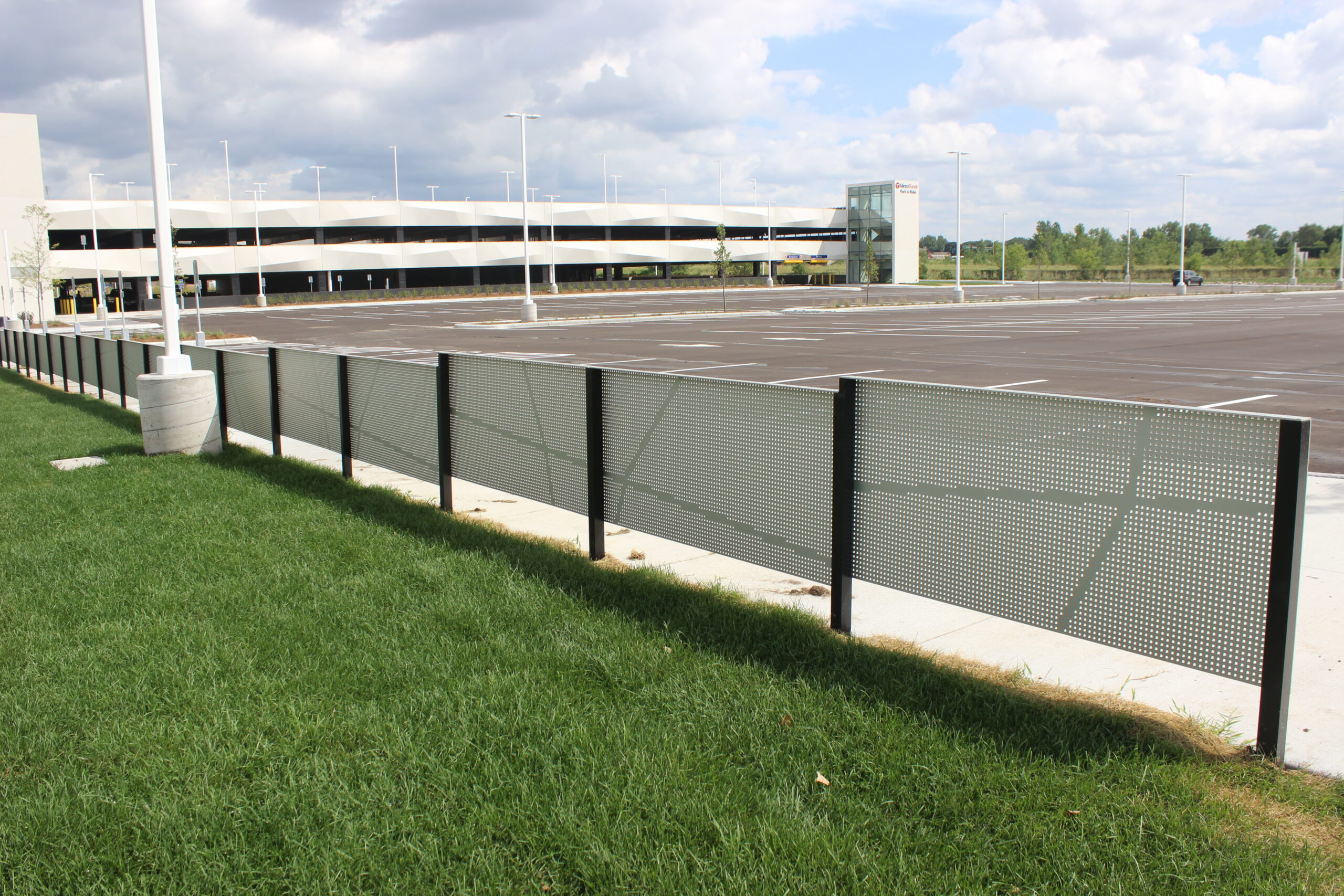
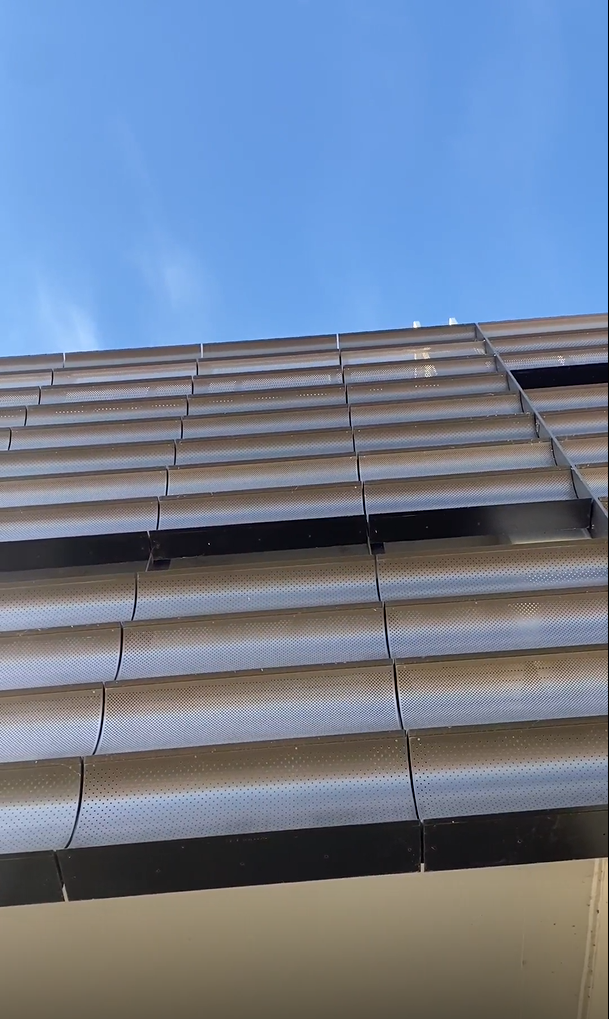
A perforated metal façade may look simple on a rendering, but behind every panel is a series of engineering decisions: How will it attach? How will it handle wind loads? What thickness is required? What materials and fabrication methods will ensure long-term performance?
At StellarCraft, our Professional Engineering services help answer these questions before they become problems in the field.
What Is Professional Engineering in Architectural Metal Fabrication?
Professional Engineering is the process of taking architectural metal concepts and validating that they can safely perform in real-world conditions it will experience after installation.
A Professional Engineer evaluates the critical elements that determine a system’s performance, including applied loads, structural stability, material properties, connection design, anchorage methods, weld details, and installation conditions. This analysis helps confirm that the finished system complies with applicable building codes, project specifications, and performance requirements.
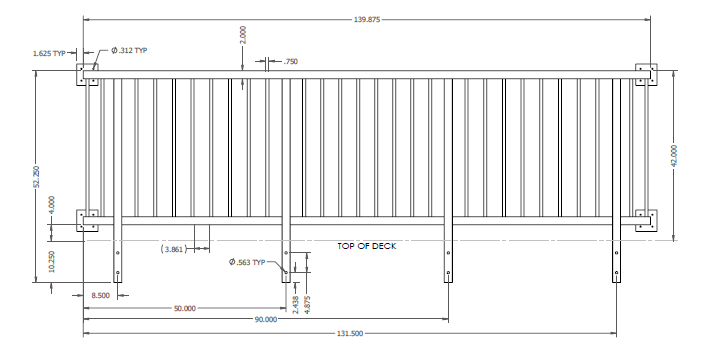
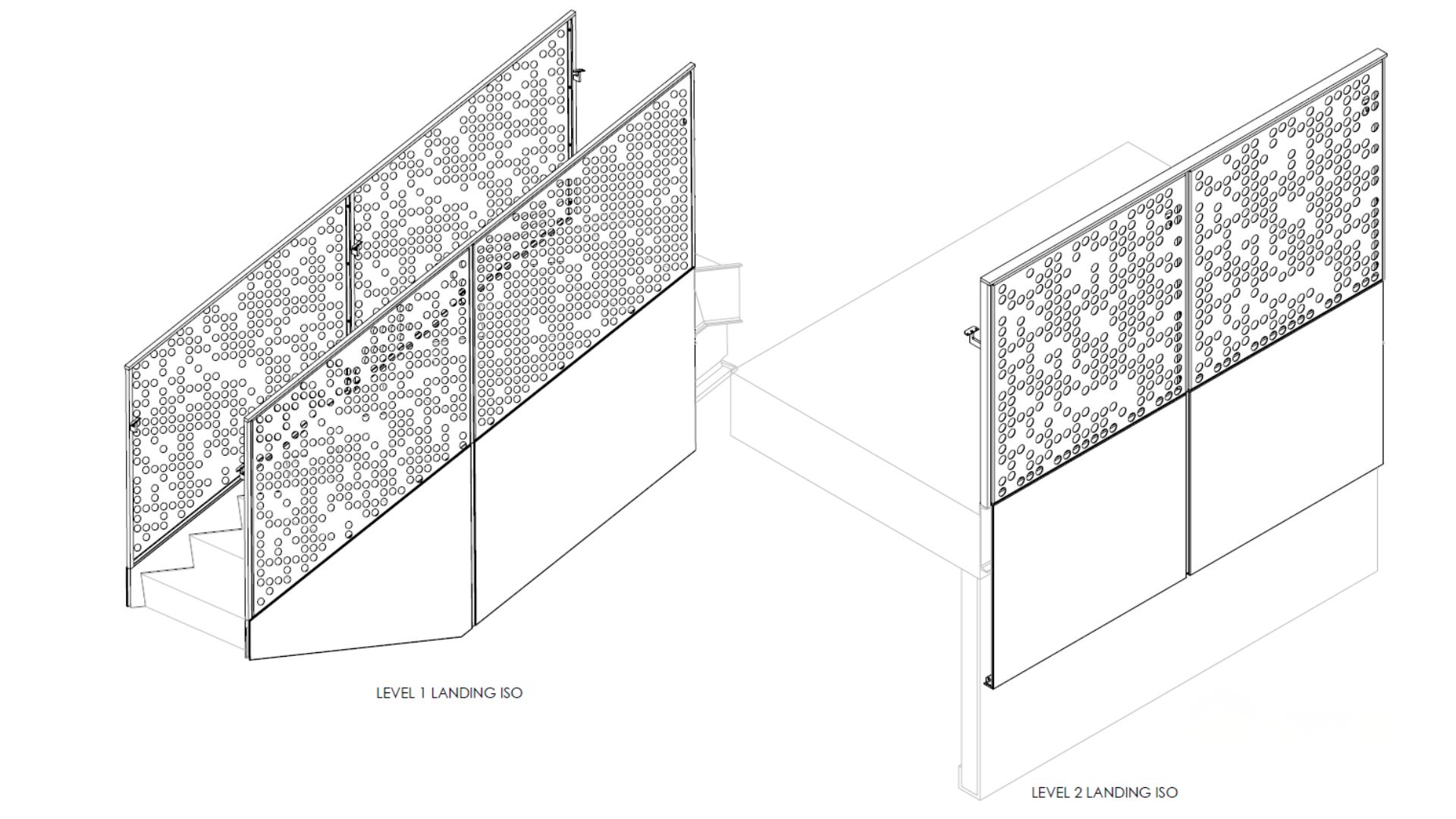
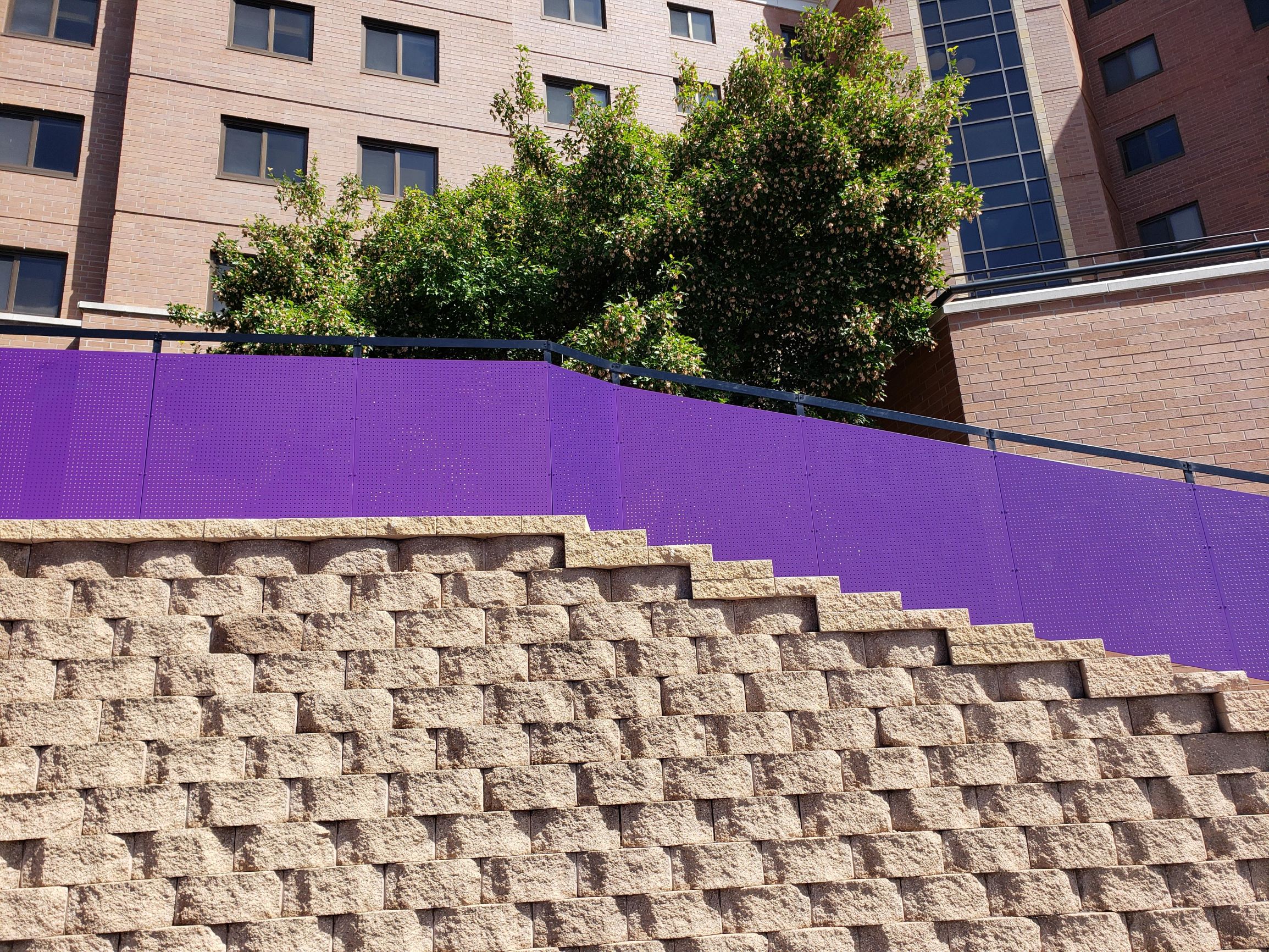
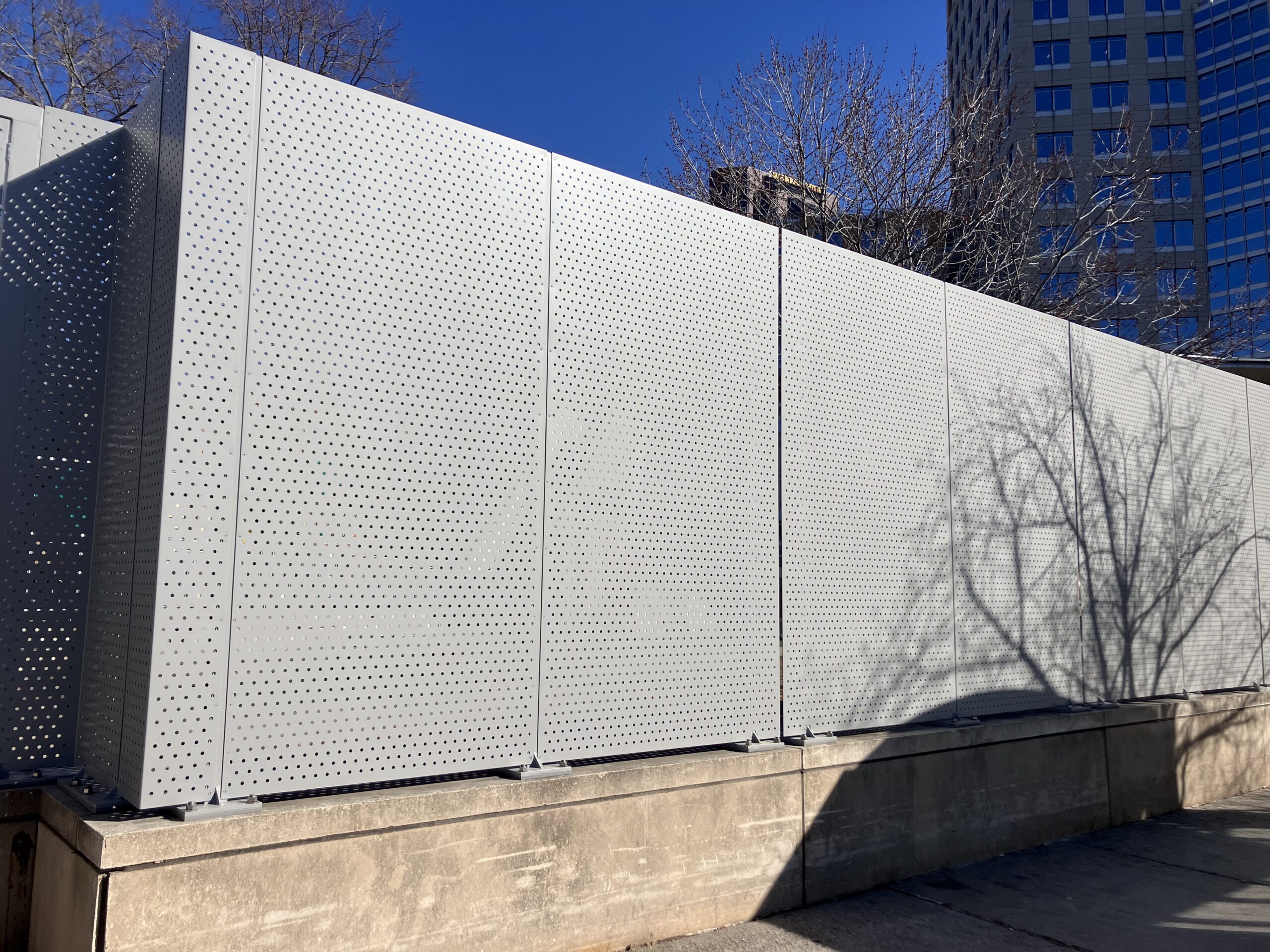
Not every architectural metal element requires engineered calculations, but many custom systems do. Components such as guardrails, privacy screens, perforated metal façades, and other exterior architectural features are often subject to structural requirements that must be verified through engineering analysis.
The level of engineering required depends on the application, installation conditions, project location, and the requirements of the Authority Having Jurisdiction (AHJ). For example, a custom guardrail may require different calculations depending on its height, support conditions, attachment method, materials, and the design loads specified by the applicable building codes.
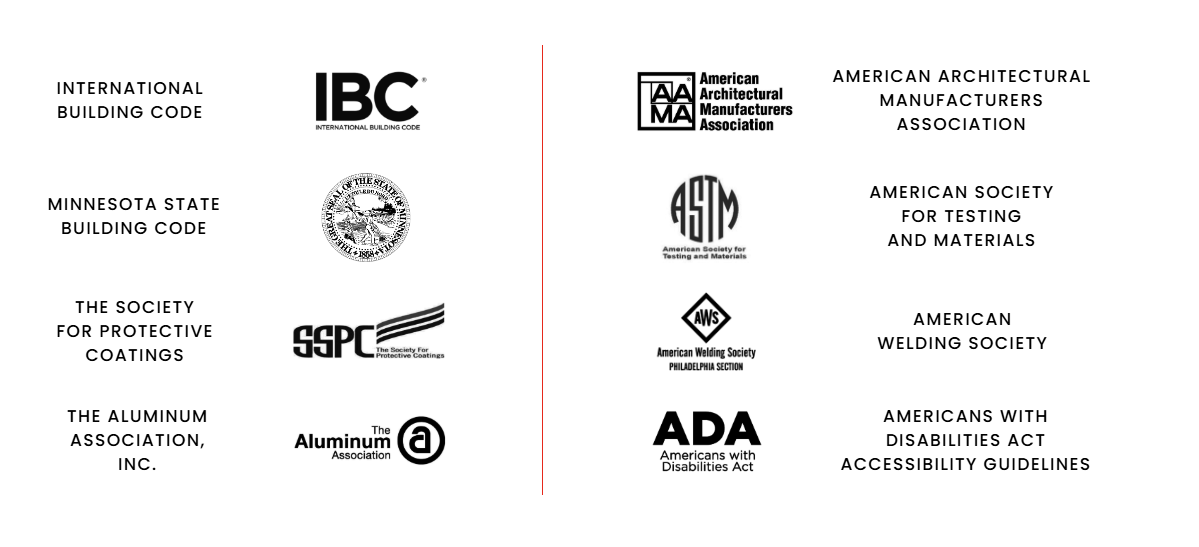
Common Codes That Are Followed:
International Building Code (IBC)
ASCE 7 loading criteria
Local building amendments
Project specifications
When a project requires formal engineering documentation, StellarCraft provides calculations reviewed and stamped by a licensed Professional Engineer in the state where the project is being constructed. These calculations provide documented verification that the system has been designed to meet required structural criteria and support the permitting, review, and approval process.
The most successful projects involve engineering early in the design process.
Architectural metal systems often contain details that directly affect structural performance and fabrication feasibility, including:
Connection design
Material thickness
Finishing methods
Support conditions
Attachment methods
Welded joints
Installation requirements
When these details are unresolved before bidding, fabricators must make assumptions about the final design. Those assumptions can lead to inaccurate pricing, additional engineering revisions, schedule delays, or unexpected changes during construction.
By completing engineering earlier, project teams benefit from:
More accurate project pricing
Reduced design uncertainty
Fewer RFIs and revisions
Better coordination between design and fabrication teams
More predictable project schedules
Engineering begins with understanding both the architectural vision and the structural requirements of the project.
Information commonly reviewed during the engineering process includes:
Architectural drawings and details
Structural drawings and design criteria
Project specifications
Applicable design loads
Material preferences
Finish requirements
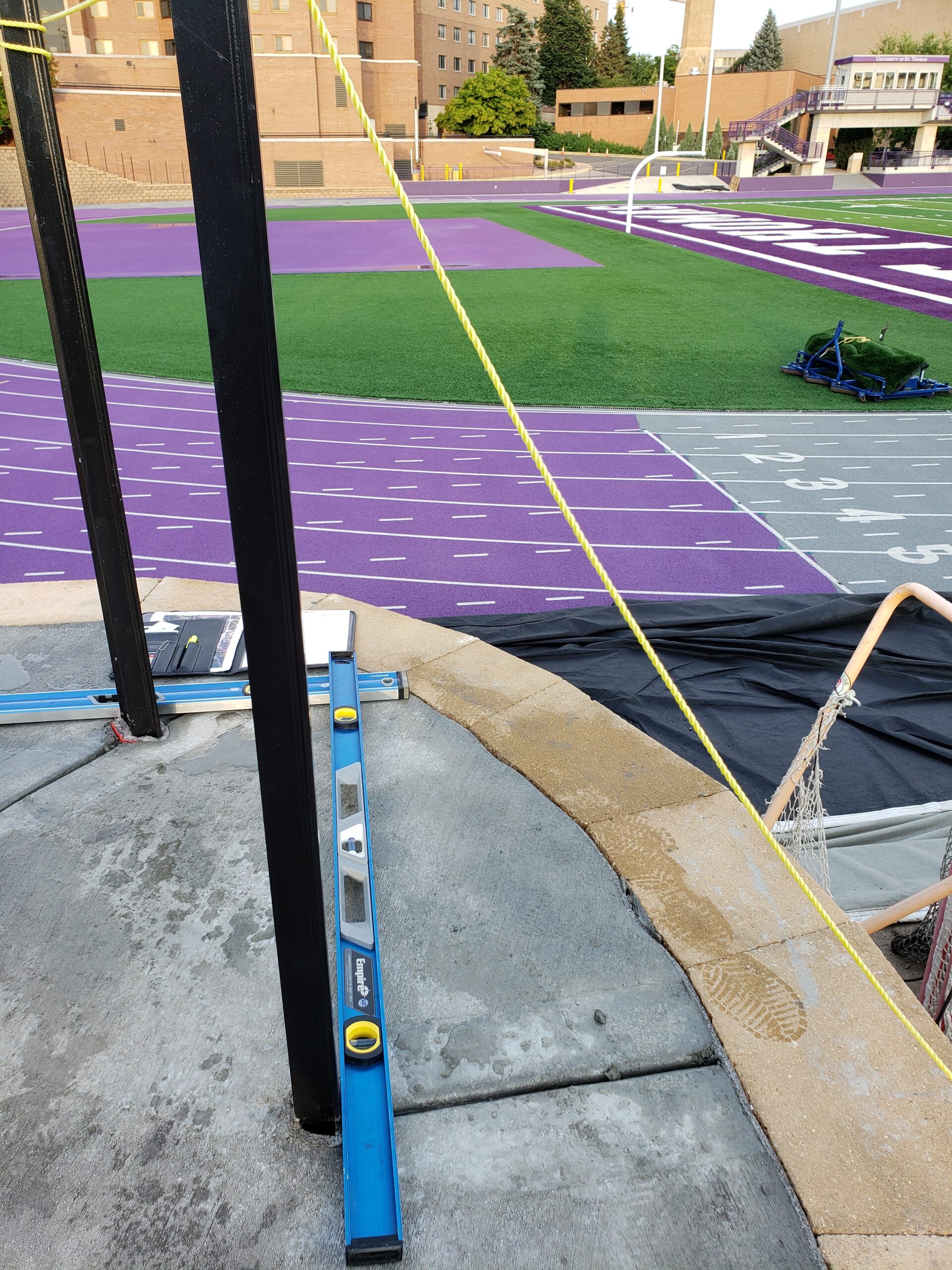
Installation conditions
Site-specific requirements
A project does not need to be completely finalized before engineering involvement begins. Many architects engage fabricators and engineers during schematic design or design development to evaluate feasibility, identify potential challenges, and develop practical solutions before construction documents are complete.
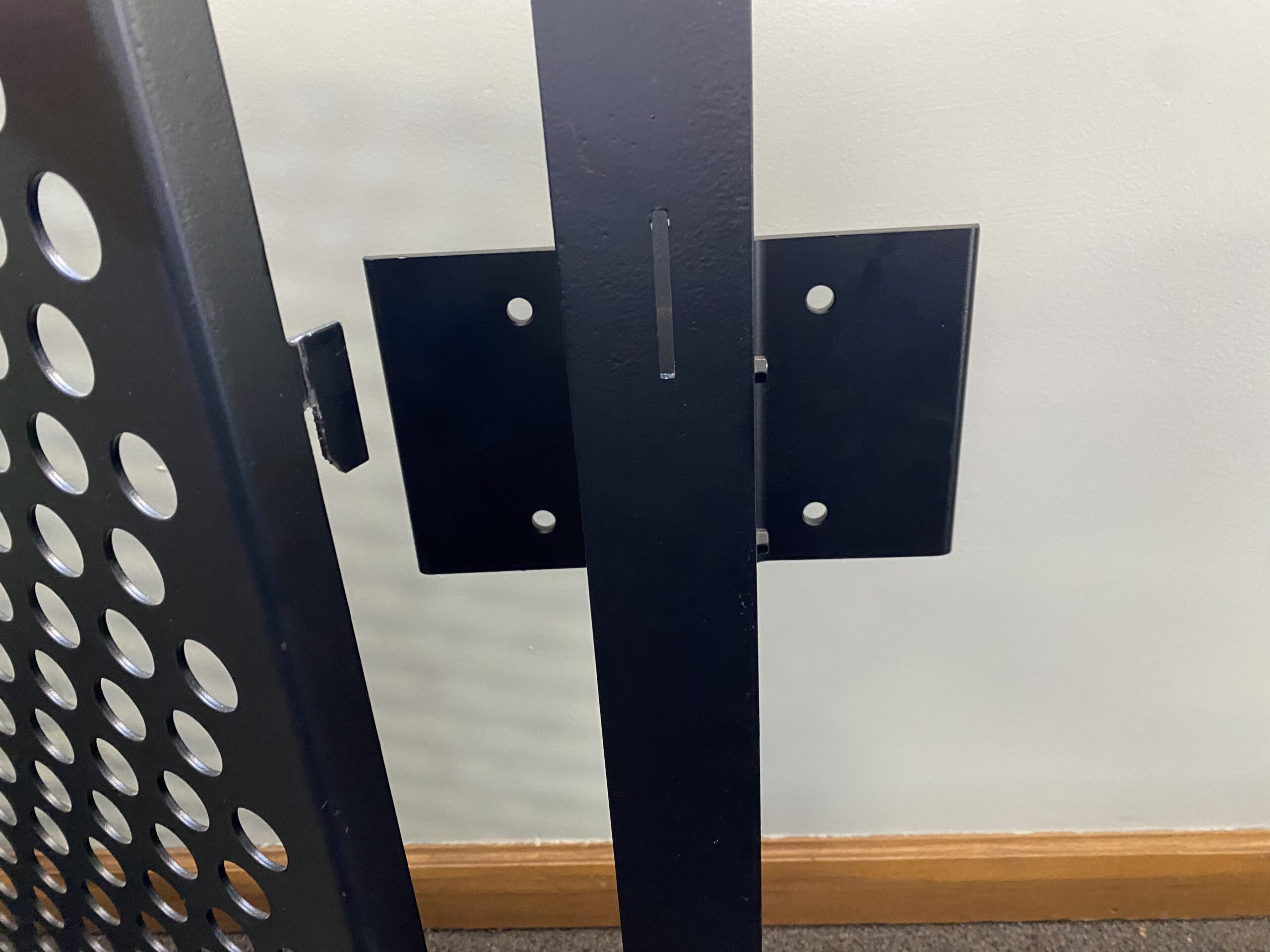
At StellarCraft, we work closely with design teams to engineer attachment methods.
Connection details determine how loads transfer through the structure and how the system performs over time.
Depending on the application, connection solutions may include:
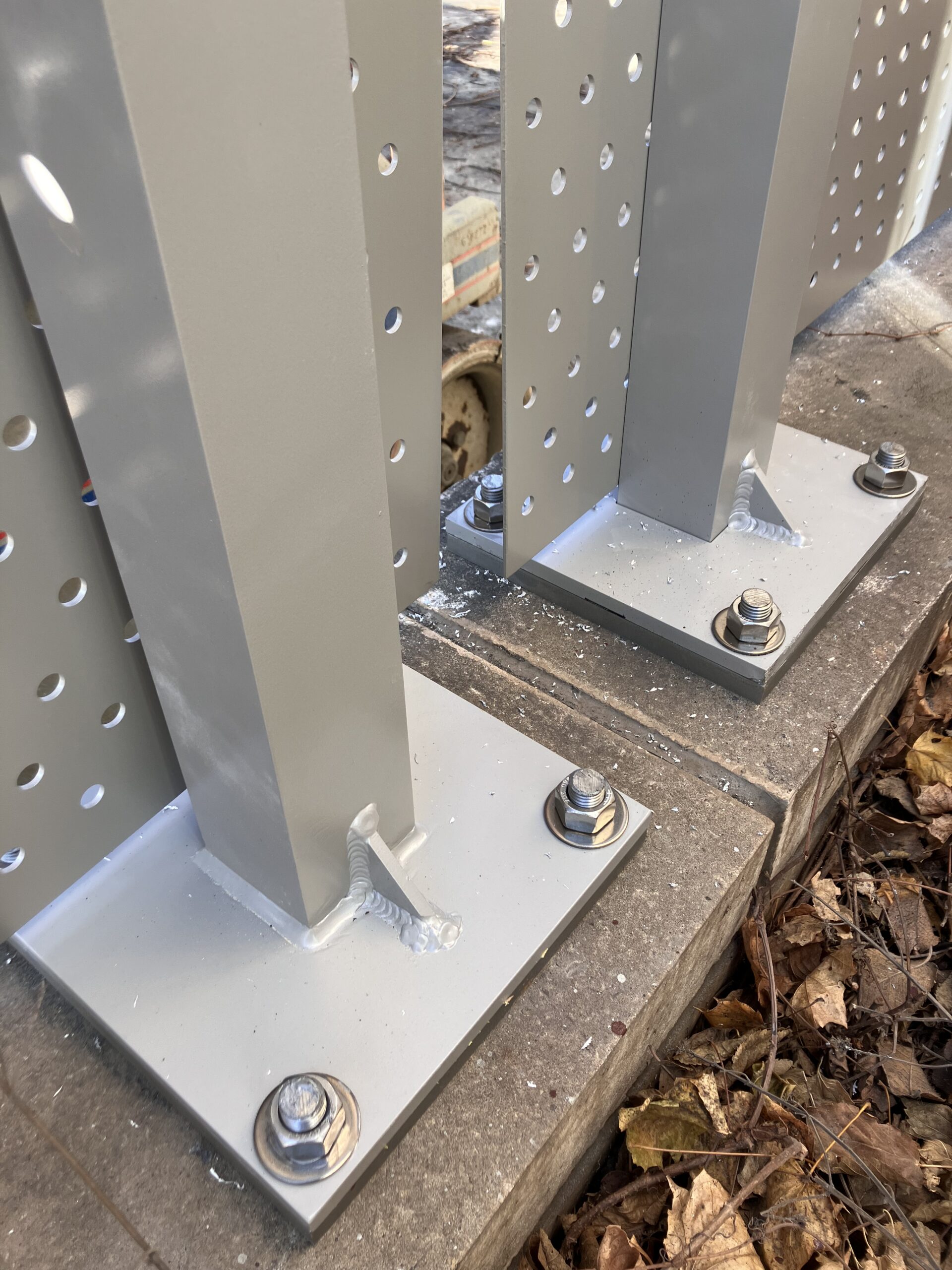
Welded base plate connections
Embedded connections cast into concrete
Concrete screw anchors
Wedge anchors
Custom project-specific attachment systems
Each connection method affects structural performance, installation requirements, appearance, and long-term durability.
At StellarCraft, our engineering and fabrication teams understand how design decisions translate into real manufacturing processes, including laser cutting, forming, machining, welding, finishing, and field installation.
This hands-on knowledge allows us to help architects and project teams develop details that are:
Structurally sound and code compliant
Practical to manufacture and install
Optimized for material performance and durability
Aligned with the original architectural vision
The goal of engineering is not only to prove that a design can work, but to help create a system that can be successfully built. By combining Professional Engineering expertise with real-world fabrication experience, StellarCraft helps transform complex architectural concepts into finished metal systems that perform as intended long after installation.