When architects design custom metal features, the success of the final installation depends on more than fabrication skill. It depends on how well the entire process is managed from the design concept through the design completion. Strong architectural project management becomes essential for aligning design intent with real-world manufacturing capabilities.
In custom metal fabrication, project management is,“the application of knowledge, skills, tools, and techniques to project activities to meet project requirements. It’s the practice of planning, organizing, and executing the tasks needed to turn a brilliant idea into a tangible product, service, or deliverable” (Project Management Institute, 2026).
At StellarCraft, project management is not an add-on. It is a central part of how we operate. The results of our fabrication are clear: high-quality final products delivered on time and on budget. What isn’t always visible, however, is our processes behind that fabrication.
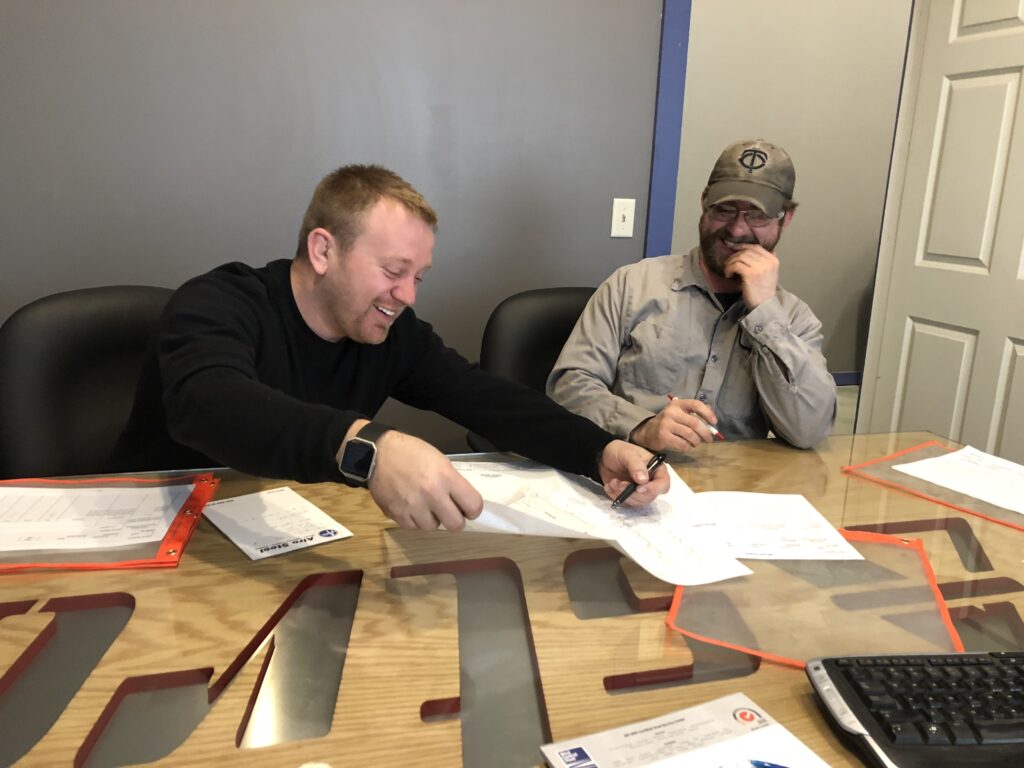
What Does an Architectural Project Manager Do?
An architectural project manager oversees the entire lifecycle of a custom metal project. In many successful projects, this coordination begins during the design development or construction document phases. Early collaboration allows fabrication teams to review connection strategies, panel sizing, material selections, and structural attachment concepts before drawings are finalized.
Project mangers role is to streamline communication and decision-making between all parties. This includes:
- Manufacturability Reviews: PM’s typically evaluate factors such as maximum sheet stock sizes, bend radii for formed metal components, weld accessibility, attachment locations, and compatibility with available fabrication equipment such as CNC laser cutters, press brakes, and welding methods.
- Design Preservation: Identifying constraints early to prevent design details that are technically correct but impractical to fabricate. Project managers work closely with architects to ensure technical adjustments don’t compromise the design aesthetic.
- Site Coordination: Participating in pre-construction meetings with general contractors to align fabrication with site requirements and master schedules.
- Risk Mitigation: Identifying potential fabrication or installation hurdles long before production begins.
- Value Engineering: Leading discussions to control costs without sacrificing quality.
- Internal Leadership: Managing drafting and production teams to keep the project moving forward.
Common Problems Without Strong Fabrication Project Management
When custom architectural metal projects move forward without careful coordination, several issues often appear during fabrication or installation.
Common problems include:
1. Design That Lack Connection Details
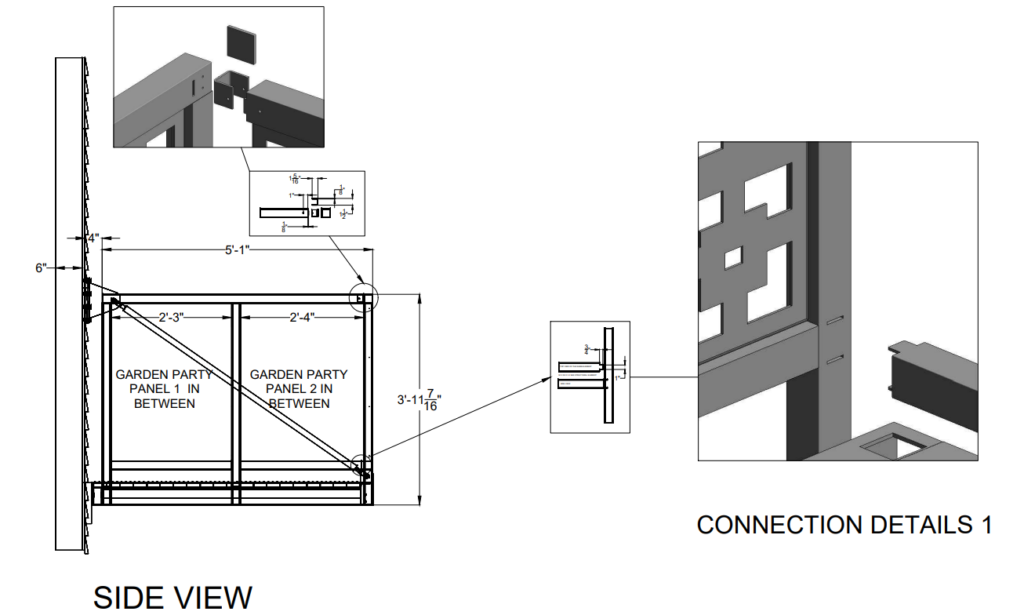
A common challenge occurs when a design looks great in 2D but becomes difficult to manufacture once connection details must be developed. A fabrication constructability review helps catch these issues early so connection systems can be engineered before shop drawings begin.
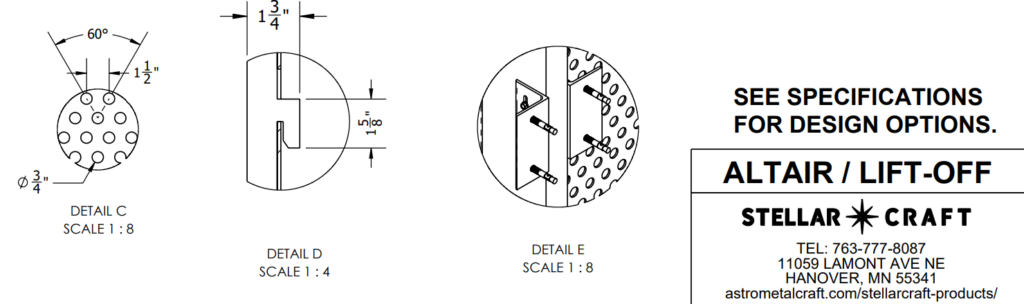
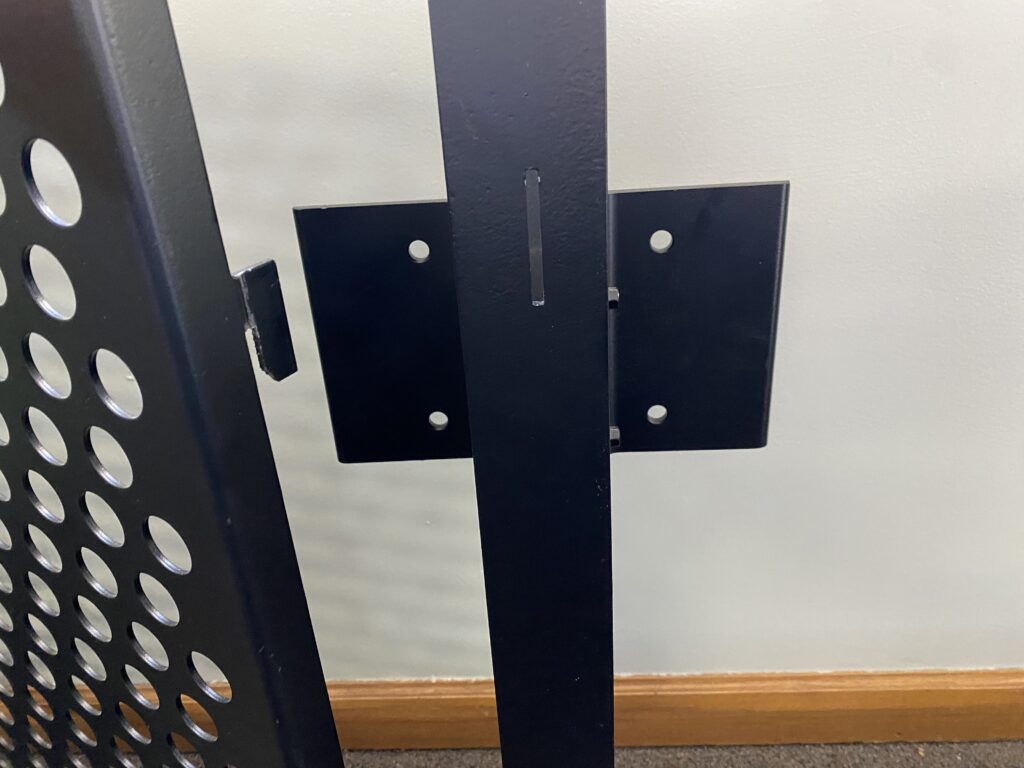
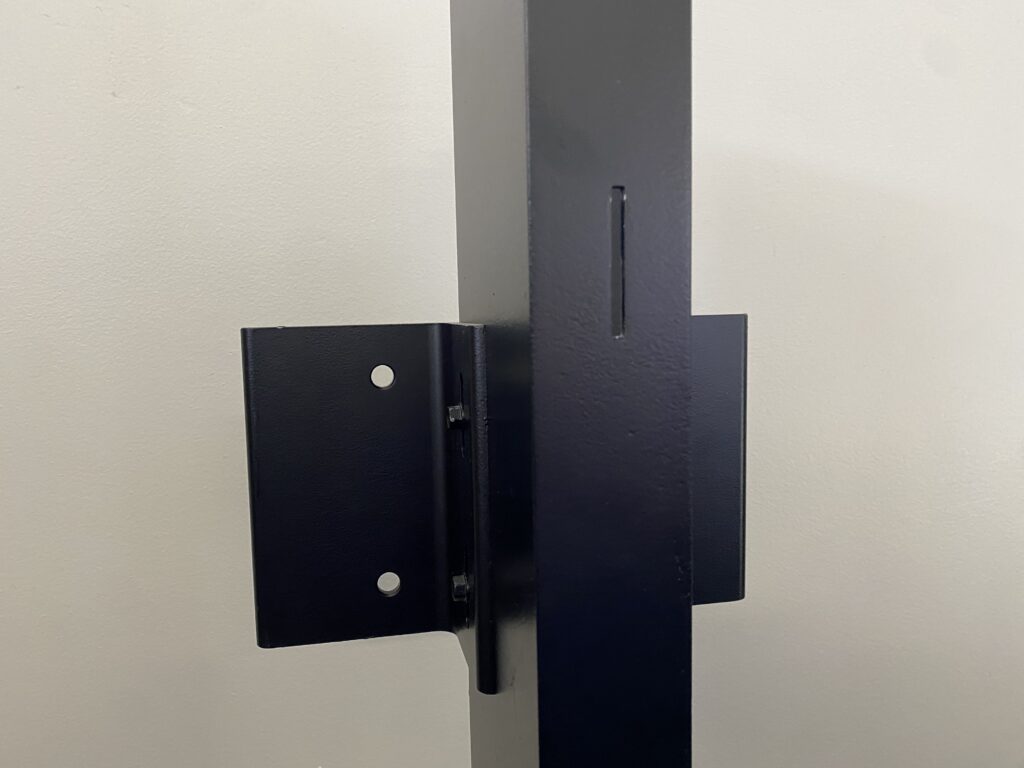
Our StellarCraft product line helps solve this by using pre-engineered attachment points. These standardized connections are designed to accommodate common substrates such as structural steel, concrete, and stud framing. By pairing proven connection details with an architect’s custom design, the submittal process moves faster, engineering costs are reduced, and shop drawing approvals can progress more quickly.
2. Tight Tolerances That Cause Installation Problems
Architectural drawings sometimes assume perfect site conditions, but real-world construction tolerances require adjustment to ensure components fit correctly in the field. Understanding metal fabrication tolerances in construction allows project managers to adjust connection details and accommodate real building conditions. At StellarCraft project managers ensure proper field measuring is done before shop drawings are finalized.
3. Missed Lead Times
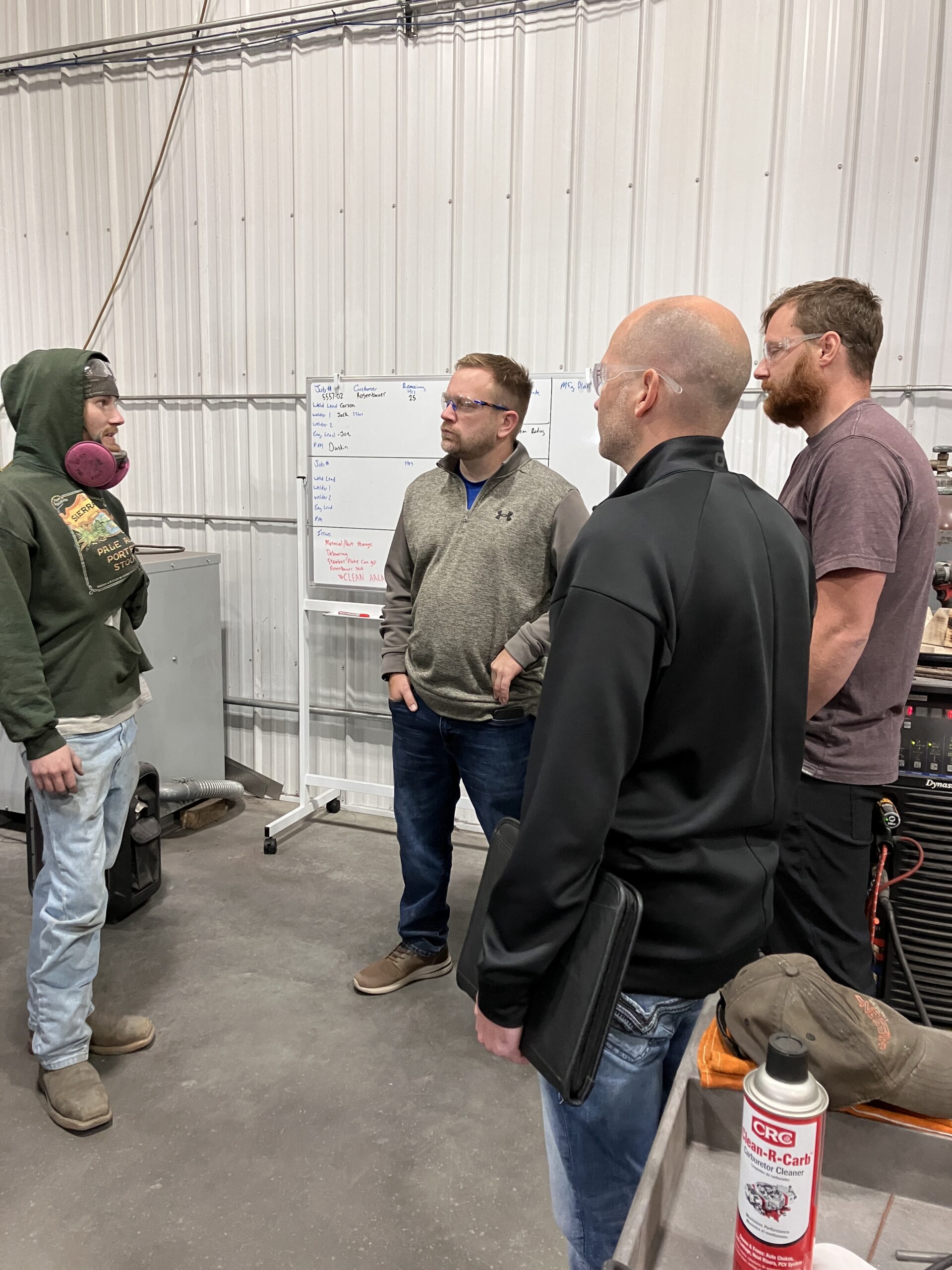
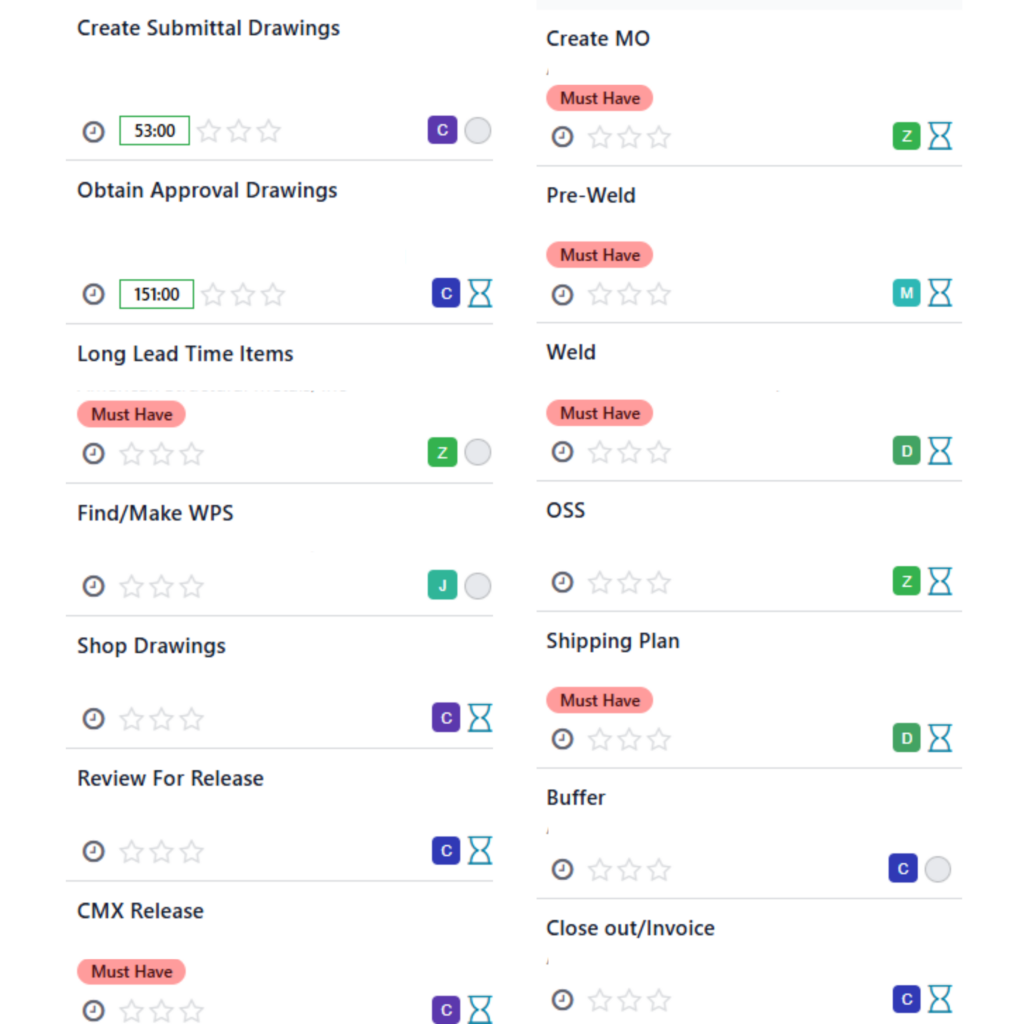
When fabrication timelines slip, the ripple effect hits everyone. Project managers prevent this through active schedule management. Internal fabrication schedules are monitored daily in companywide escalation meetings to keep fabrication on track in the shop. Fabrication scheduling typically includes material procurement lead times, shop drawing approval cycles, CNC programming, forming operations, welding, finishing, and packaging for shipment. Project managers track each stage against the construction schedule to ensure fabricated components arrive on site in the correct sequence for installation.
4. Budget Overruns
When fabrication issues are discovered late, architects and contractors may need to redesign details under tight deadlines. Clear architect–fabricator collaboration through formal RFIs and coordination meetings ensures design questions are resolved before fabrication begins. Late-stage design changes can drive up costs exponentially compared to proactive adjustments. Engaging early with a fabricators project management team allows for a manufacturable design from day one and reducescostly budget surprises.
The Question We Hear Most: “Can You Make This?”
Architects often ask fabricators a simple question: “Can you make this?”
In most cases, the answer is yes. However, the more important question is: “Can this design be fabricated efficiently, installed successfully, and delivered within the project schedule and budget?”
Before production begins, our project management team reviews drawings and models to evaluate manufacturing feasibility, material performance, and installation requirements. This architectural shop drawing review process helps verify that details are both technically correct and buildable in the field.
- Manufacturing feasibility- adjusting machine nesting for material utilization
- Material performance- determining the right material to adhere to industry regulations such as IBC load requirements, the prevention of galvanic corrosion and proper finishing options
- Tolerances and clearances- conducting proper field measuring & coordination with trades on site
- Structural and durability considerations- creating weld procedure specifications to ensure quality weldments
- Installation sequencing- designing exact anchoring systems and connection details for smooth installation and performing shop mockups of final installation fit
The architectural shop drawing review process converts conceptual design details into precise fabrication instructions. These drawings typically include fully dimensioned parts, connection details, weld specifications, anchor locations, material thicknesses, and finishing requirements. This documentation allows architects, engineers, and contractors to verify that the fabricated components will integrate correctly with the surrounding construction.
How to Avoid the Value Engineering of Decorative Metal Elements
For decorative metal elements to remain part of a project through construction, they need to be more than surface decoration. They must contribute to the identity of the building in a way that feels intentional and irreplaceable. When a metal feature becomes a defining visual or experiential component of the architecture, it is far less likely to be removed during value engineering or budget reviews.
Owners and project teams often evaluate costs by asking what elements can be simplified or removed without fundamentally changing the building. If a decorative metal element is perceived as an add-on, it is one of the first items considered for elimination. However, when that element shapes the character of the space, defines the building’s façade, or creates a recognizable architectural moment, removing it would significantly alter the project’s design intent.
Achieving this level of integration requires collaboration early in the design phase. When architects and metal fabricators work together from the beginning, the metal elements can be designed as an essential part of the building.
Early collaboration also helps align the design vision with manufacturing methods. Instead of adapting the metal feature late in the project, the design can be developed in a way that preserves its visual impact while remaining practical to fabricate and install. The result is a decorative element that feels essential to the project and is more likely to maintain longevity throughout the building lifecycle.
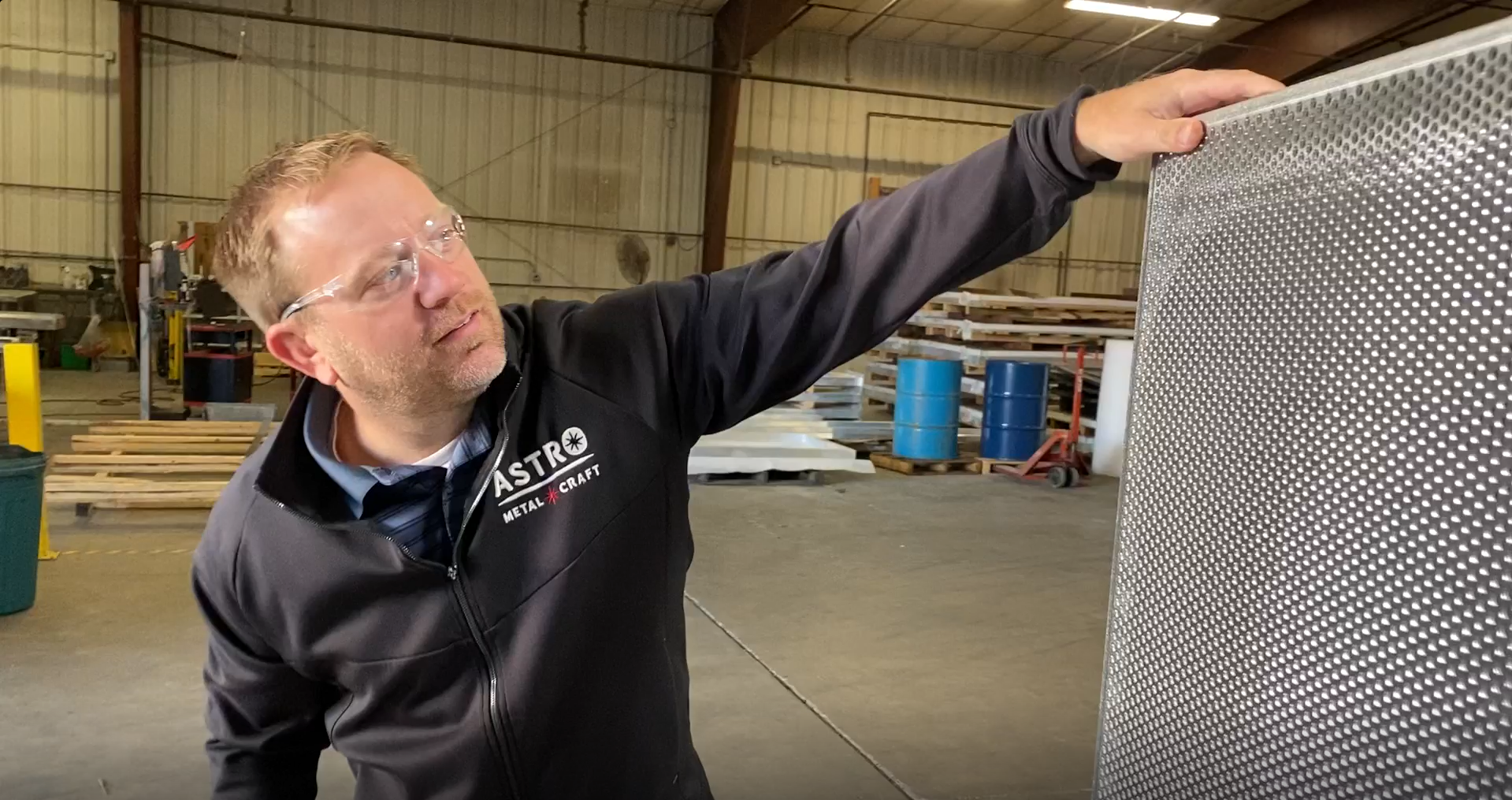
Watch the video below to see what Tanner has to say about value engineering.

Why Fabrication Bids Can Vary
Some fabricators price only the physical fabrication of the metal components. Others include comprehensive project management that supports the entire process including quality project management.
A thorough project management process typically includes:
- Collaborative design
- Detailed drawing reviews before approval
- Coordination meetings to prevent miscommunication
- Active schedule management
- Value engineering discussions
While these services may increase the price of the initial proposal, they often reduce the risk of costly changes, delays, or modifications later on in the project.
Your Architectural Partners
At StellarCraft, our architectural project management team guides projects from concept through completion to ensure that the final result reflects the original design intent while remaining practical to fabricate and install.
If you’re an architect or general contractor planning your next project, we’d welcome the opportunity to show you what that level of project management looks like in action.
Because the difference isn’t just in the metal. It’s in the management behind it.