How to Achieve a Quality Anodized and Galvanized metal weld finish?
What should architects and fabricators consider when designing welded aluminum products that will be anodized?
When color matching anodized elements is important, ER5356 is a commonly selected filler metal. ER5356 is a 5% magnesium aluminum filler alloy used for both TIG and MIG welding and can produce a light silver/white appearance after anodizing that blends well with architectural aluminum alloys such as 5052 and 6061.
ER4043 is also a commonly used filler metal to weld aluminum but can produce a noticeably darker gray appearance if it is anodized. Due to these color match differences, architects and fabricators both need to understand the desired finish application process before any welding begins.
In order to color match anodized aluminum welds, the base-metal alloy, filler-metal chemistry, and desired finish all need to be considered during fabrication.
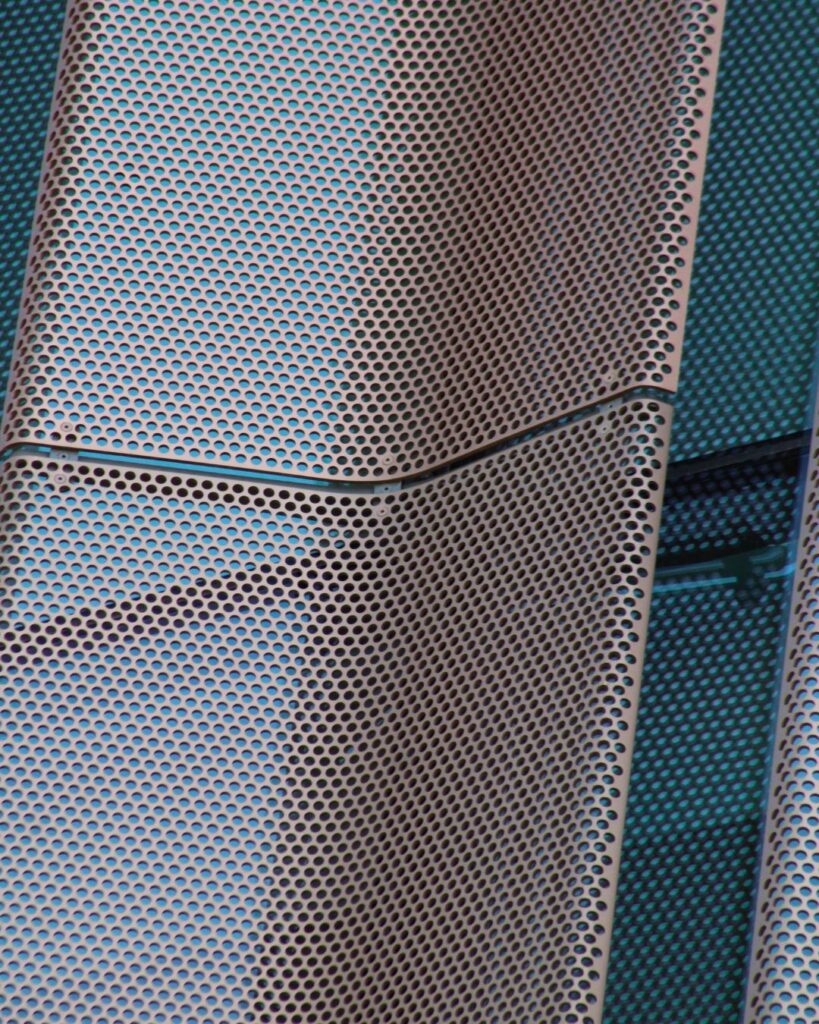
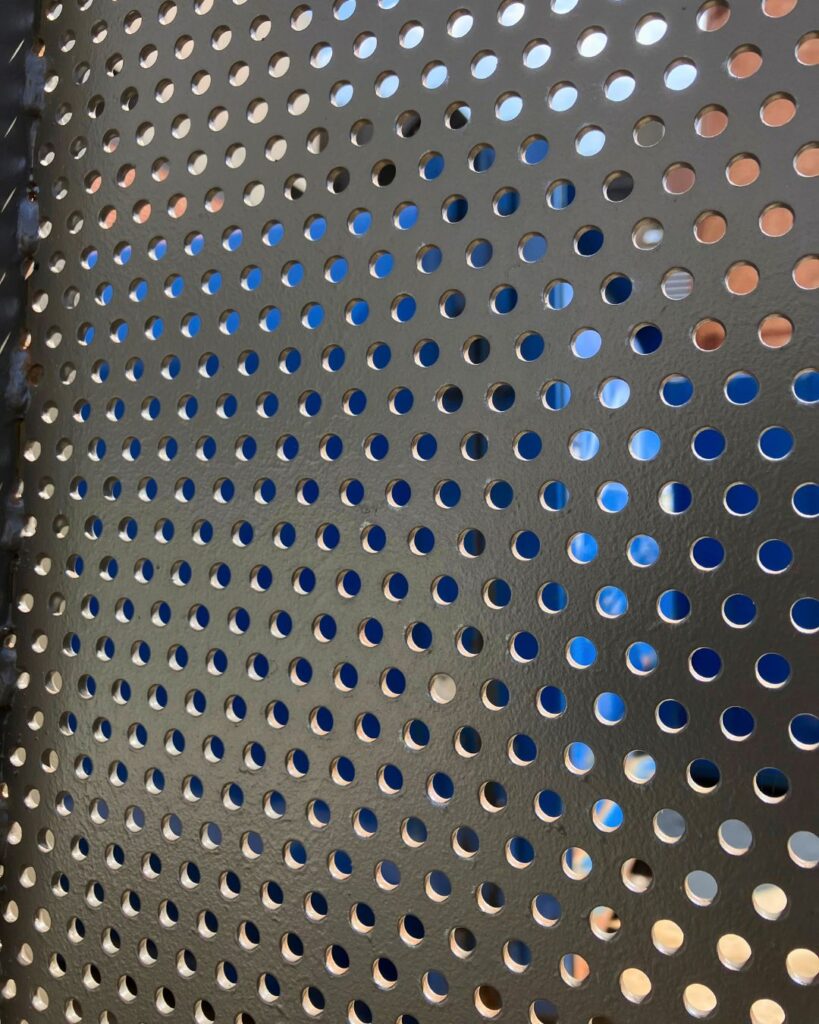
Galvanizing Mild Steel Welds
Problem: Raised bump after hot-dip galvanizing, despite specifying the weld to be ground smooth.
Ever specify a weld to be ground perfectly smooth, only to have it come back after hot-dip galvanizing with a raised bump? The welding process may not be the problem. The interaction between the weld filler metal and the molten zinc from galvanizing could be the issue.
For mild steel that will be hot-dip galvanized, a low-silicon filler metal is generally preferred to achieve a smooth consistent weld finish.
Silicon in the weld metal can influence the zinc-iron reaction during galvanizing. Higher silicon levels can contribute to increased zinc growth on the weld, potentially leaving the connection rough, raised, or uneven even when the weld was ground smooth before galvanizing.
ER70S-6 is a widely used MIG filler for mild steel, but its silicon content should be a consideration when the finished galvanized appearance is critical. Depending on the application and welding process, a lower-silicon filler such as ER70S-2 should be considered.
But filler metal is only part of the equation.
The chemistry of the base steel matters, too. Silicon and phosphorus levels in the steel can influence the galvanizing reaction and the thickness and appearance of the zinc coating. This is one reason you can have two otherwise similar steel components come back from galvanizing with noticeably different surface characteristics.
What should architects consider when specifying an anodized or galvanized Metal weld finish?
1. Specify the finish with the welded assembly in mind.
Specify the base material and finish together. The fabrication and finishing processes can affect the final appearance, particularly at welded connections.
For visible metalwork, define the intended appearance and acceptable level of variation. The finish should be considered alongside the material, weld locations, and fabrication method.
2. Coordinate welded connections before fabrication.
Weld locations, joint design, overlapping surfaces, and enclosed sections can all affect the finishing process.
Review these details with the fabricator before the design is finalized. Early coordination gives the team an opportunity to identify connections or fabrication details that may affect the finished appearance or finishing process.
3. Don’t assume grinding will make the weld disappear.
Grinding can improve the pre-finish surface, but it does not necessarily make a welded connection visually uniform after finishing.
With anodized aluminum, welded areas can appear different in color from the surrounding material because the certain filler materials and base metals can respond differently to anodizing. With galvanized steel, the chemistry of the base steel and weld metal can affect zinc growth and surface appearance.
If the welds will be visible, discuss the expected finished appearance with the fabricator before detailing the connection or specifying a surface treatment.